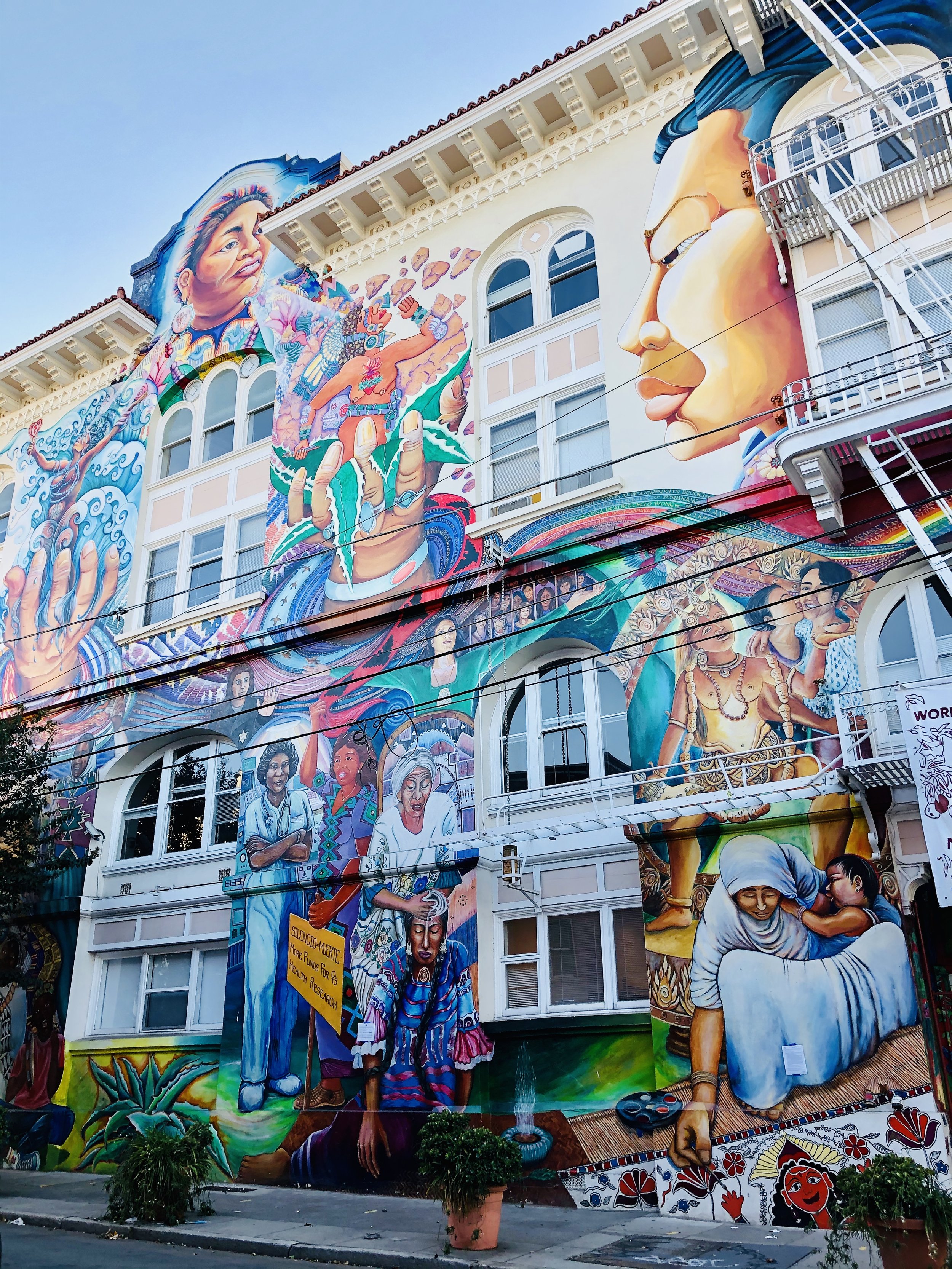
HILANDO RESISTENCIA

Comment

HILANDO RESISTENCIA

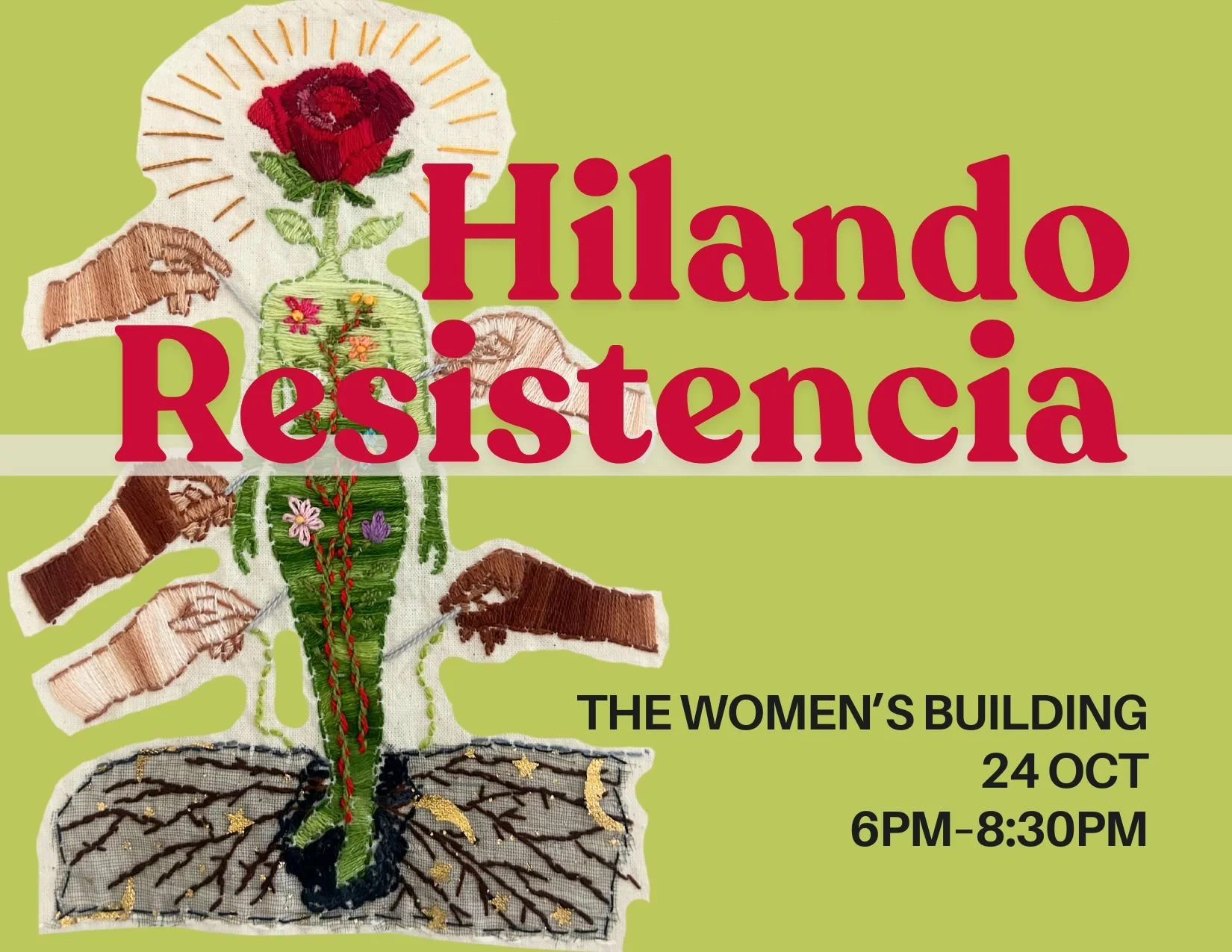
HILANDO RESISTENCIA (Threading Resistance)

An Exhibition of Participatory Migration Storytelling at San Francisco Women’s Building (Fall 2025) and coming to the Rockridge Branch of the Oakland Public Library (Spring 2026)

Overview

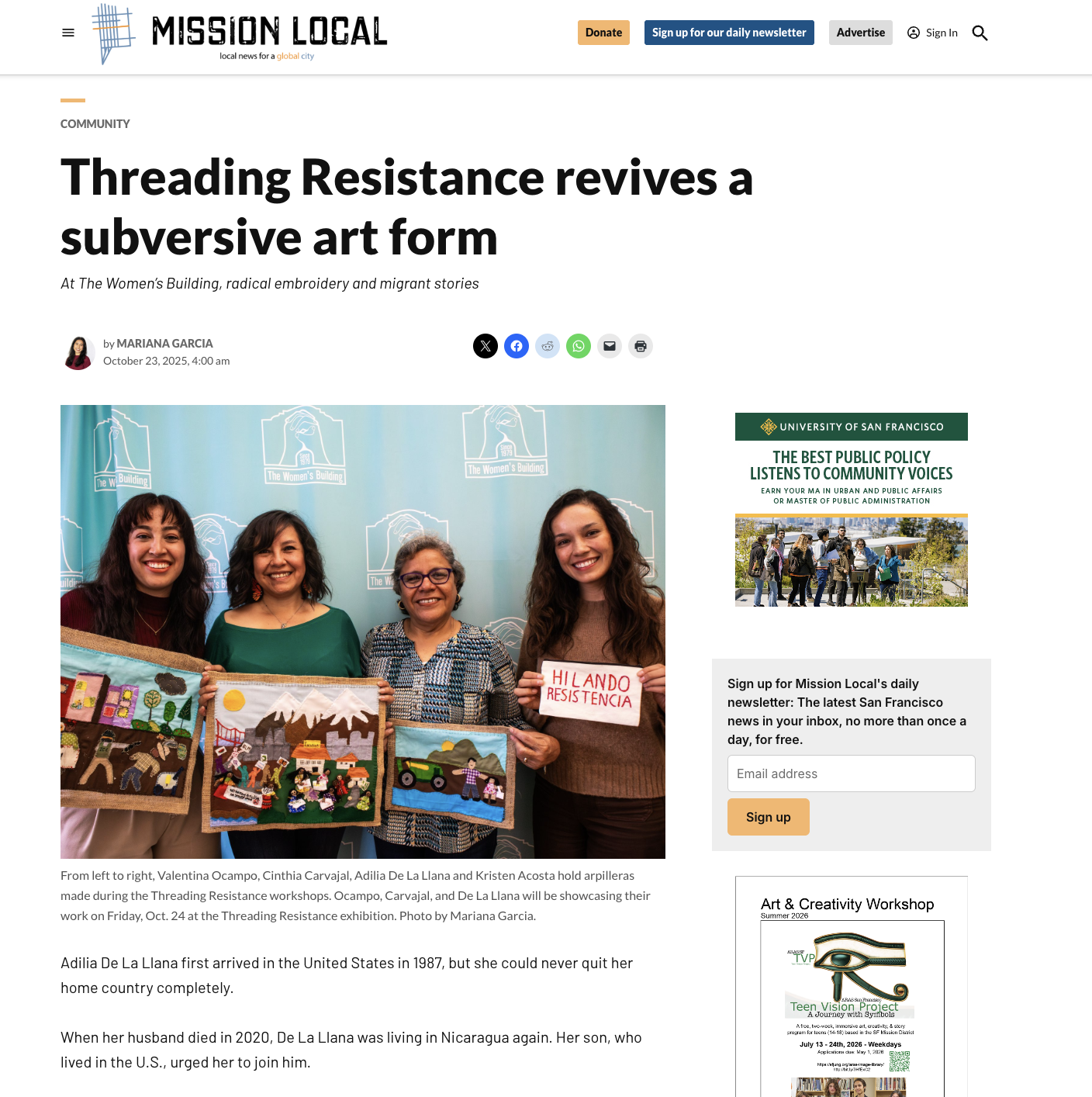
In collaboration with artist and migration scholar, Valentina Ocampo, I shaped the development and public presentation of Hilando Resistencia (Threading Resistance), an oral history and textile art exhibition at the San Francisco Women’s Building.

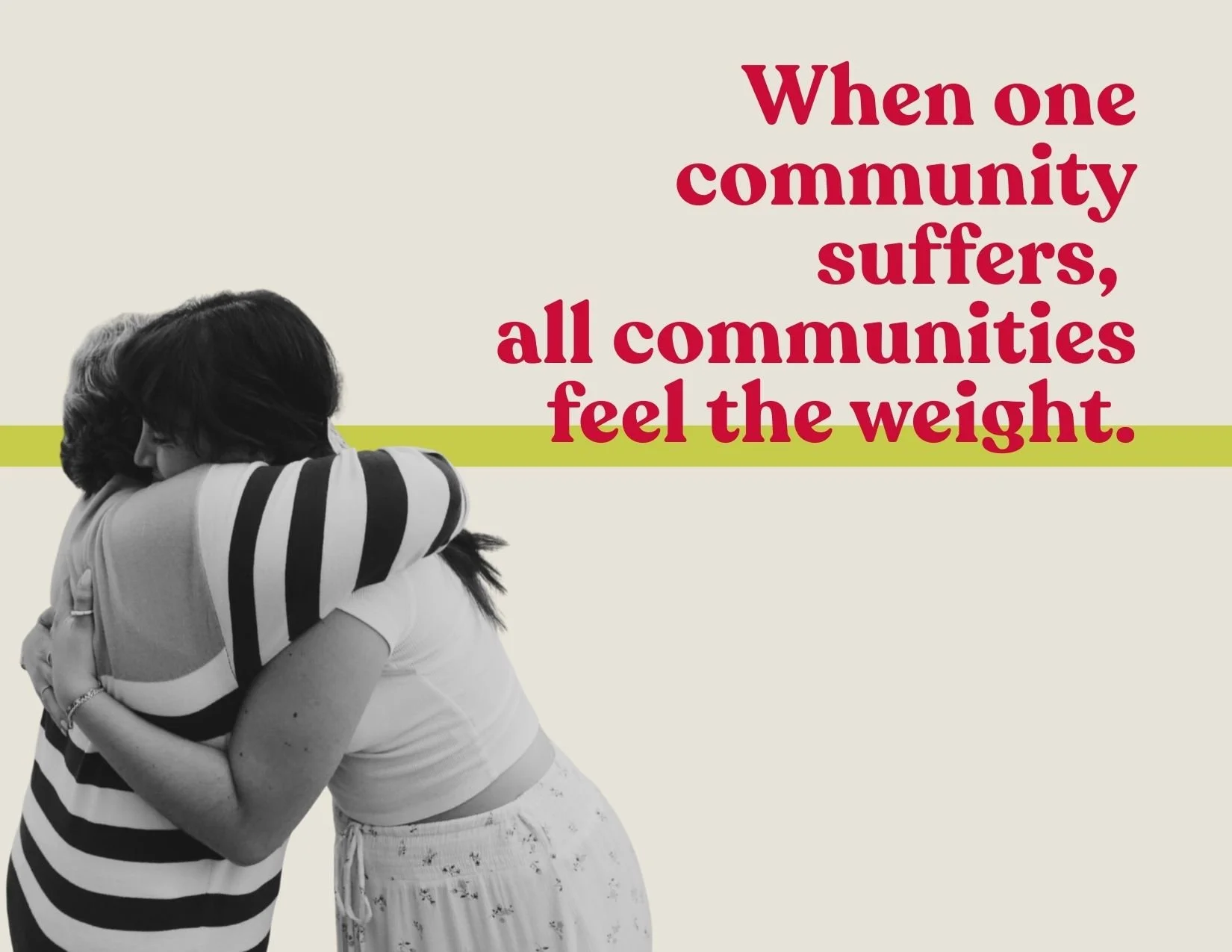
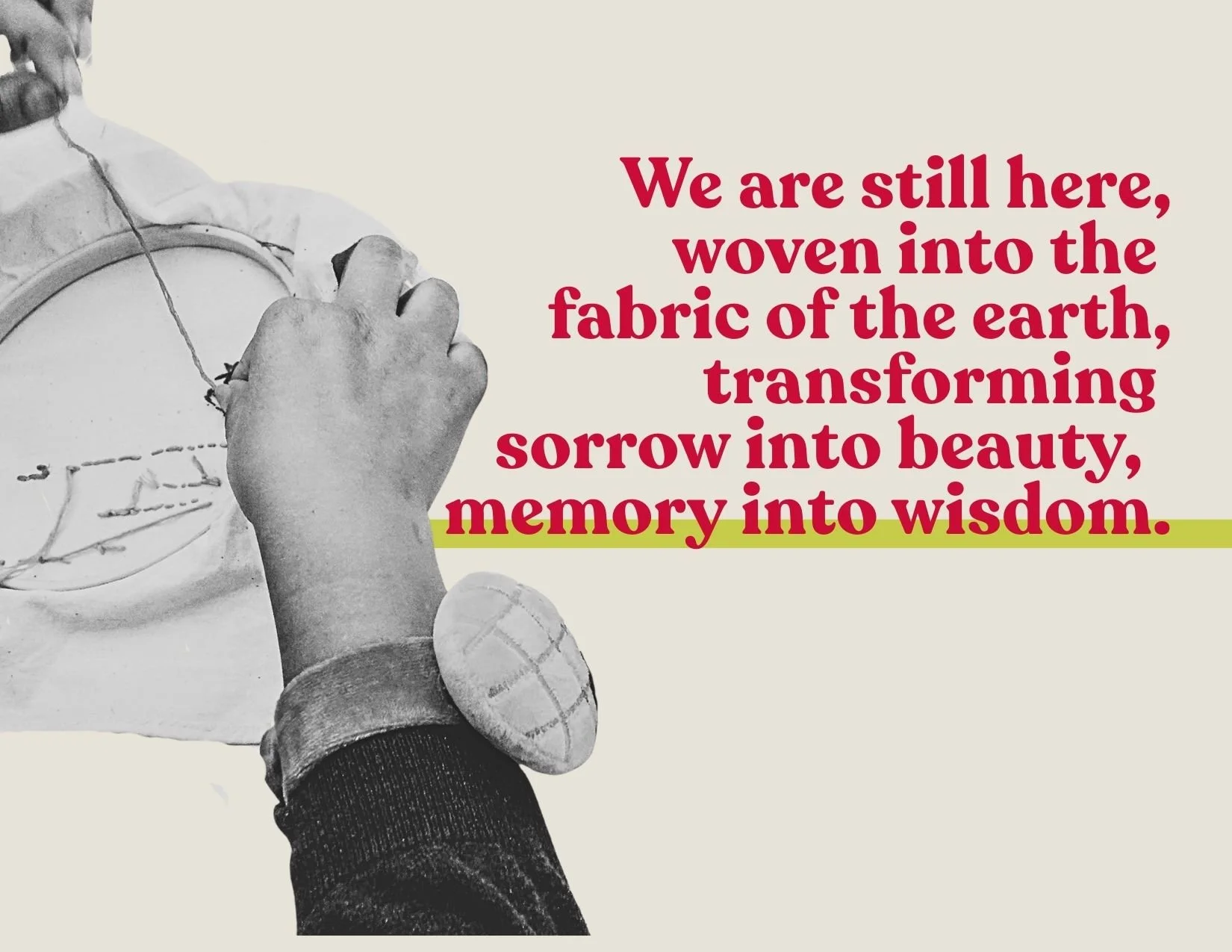
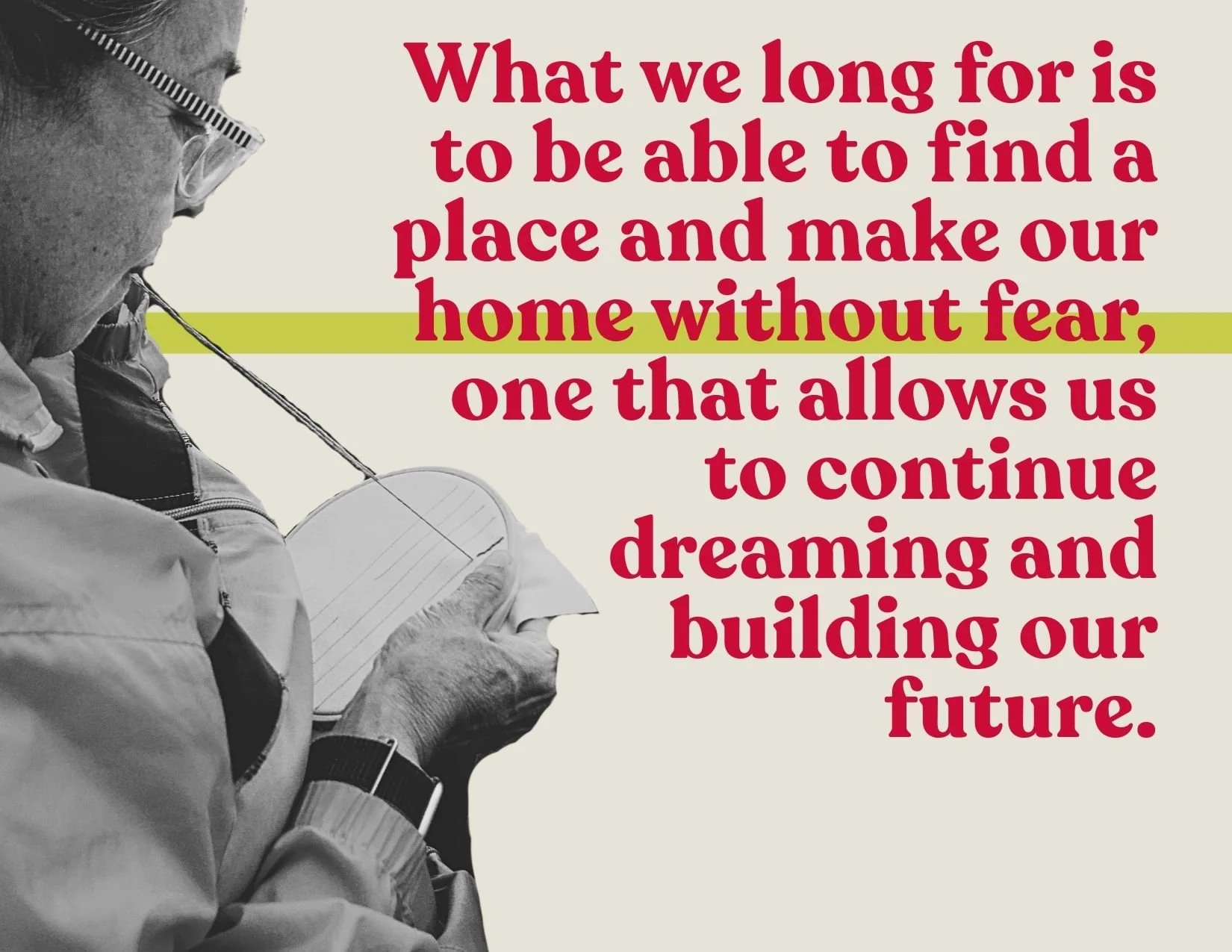
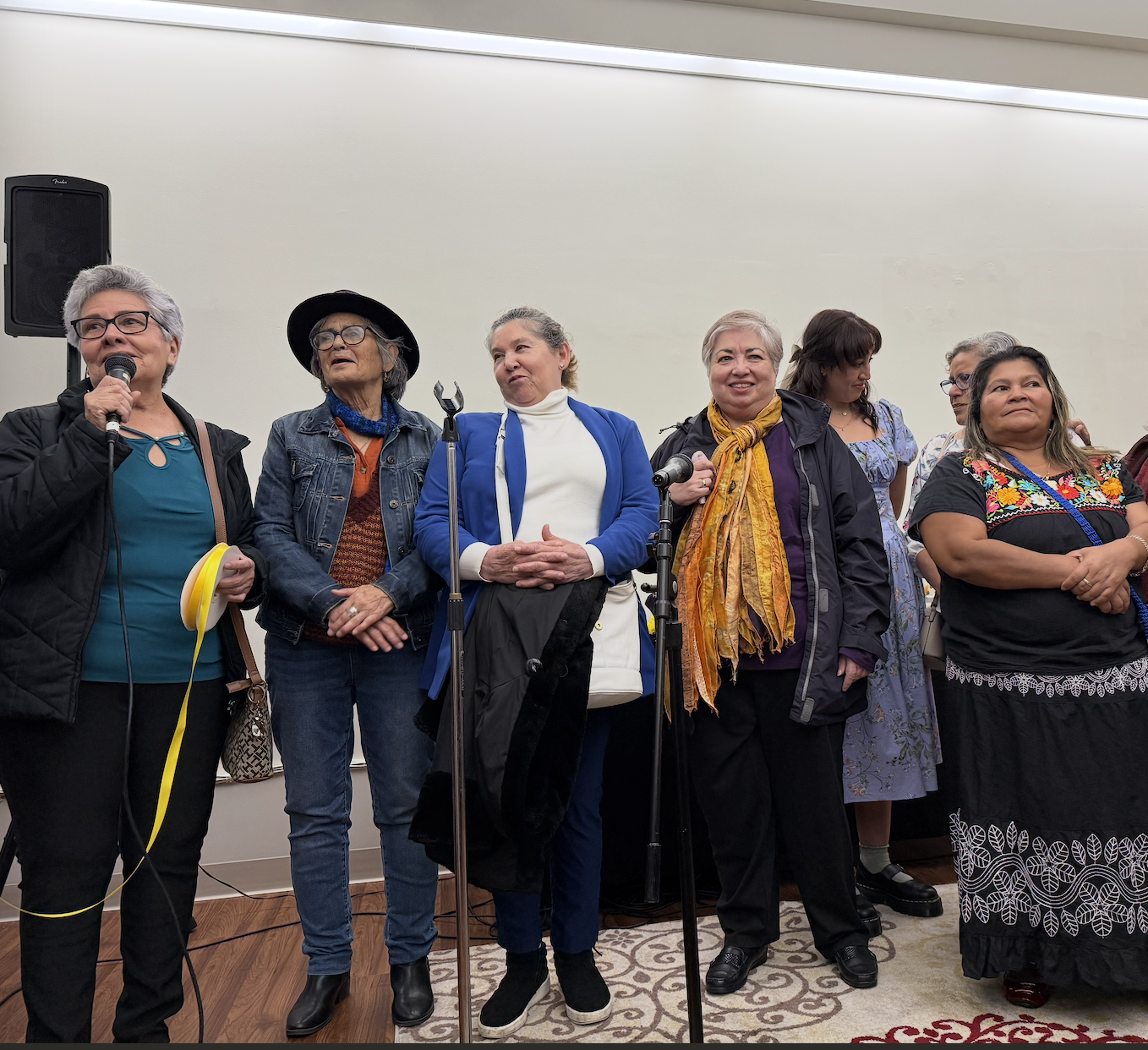
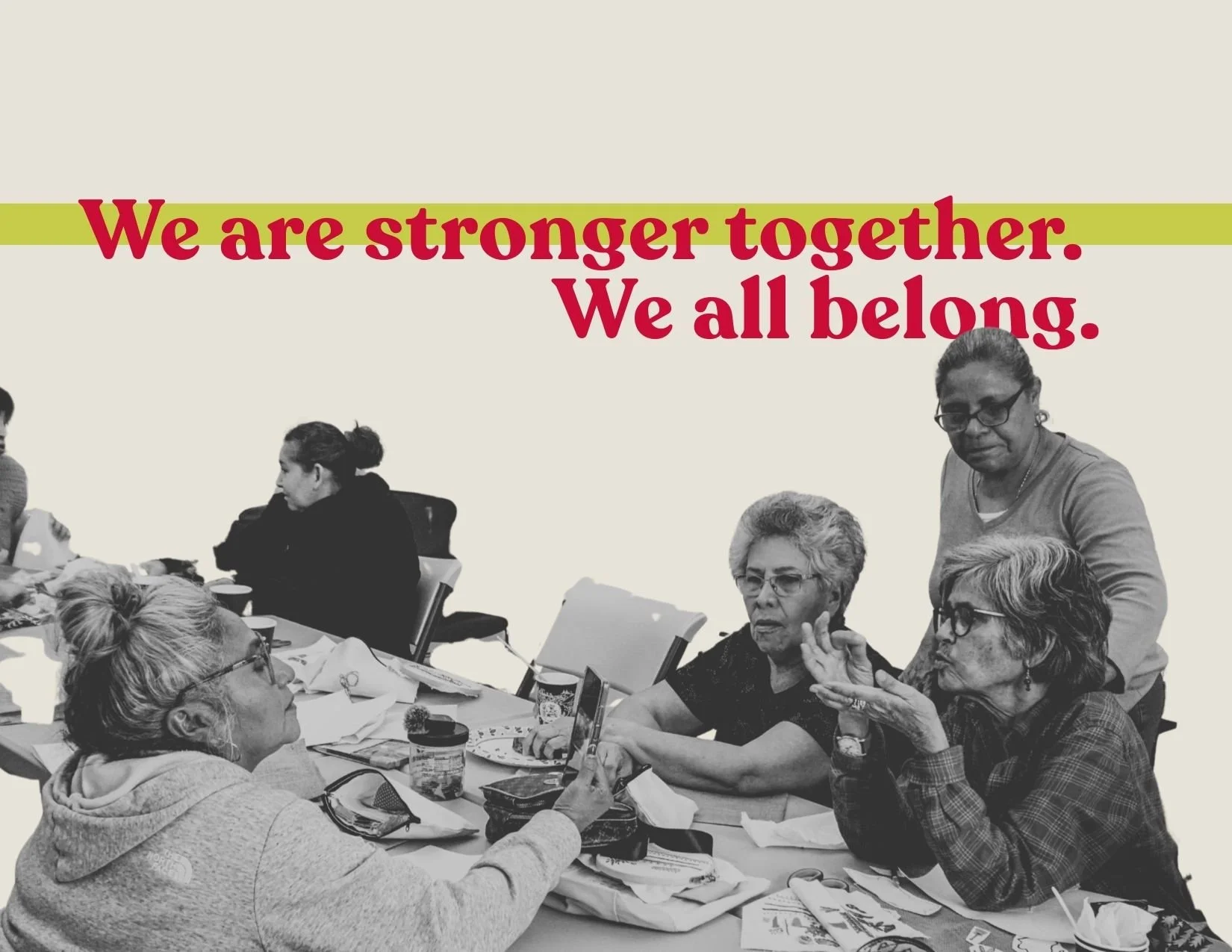
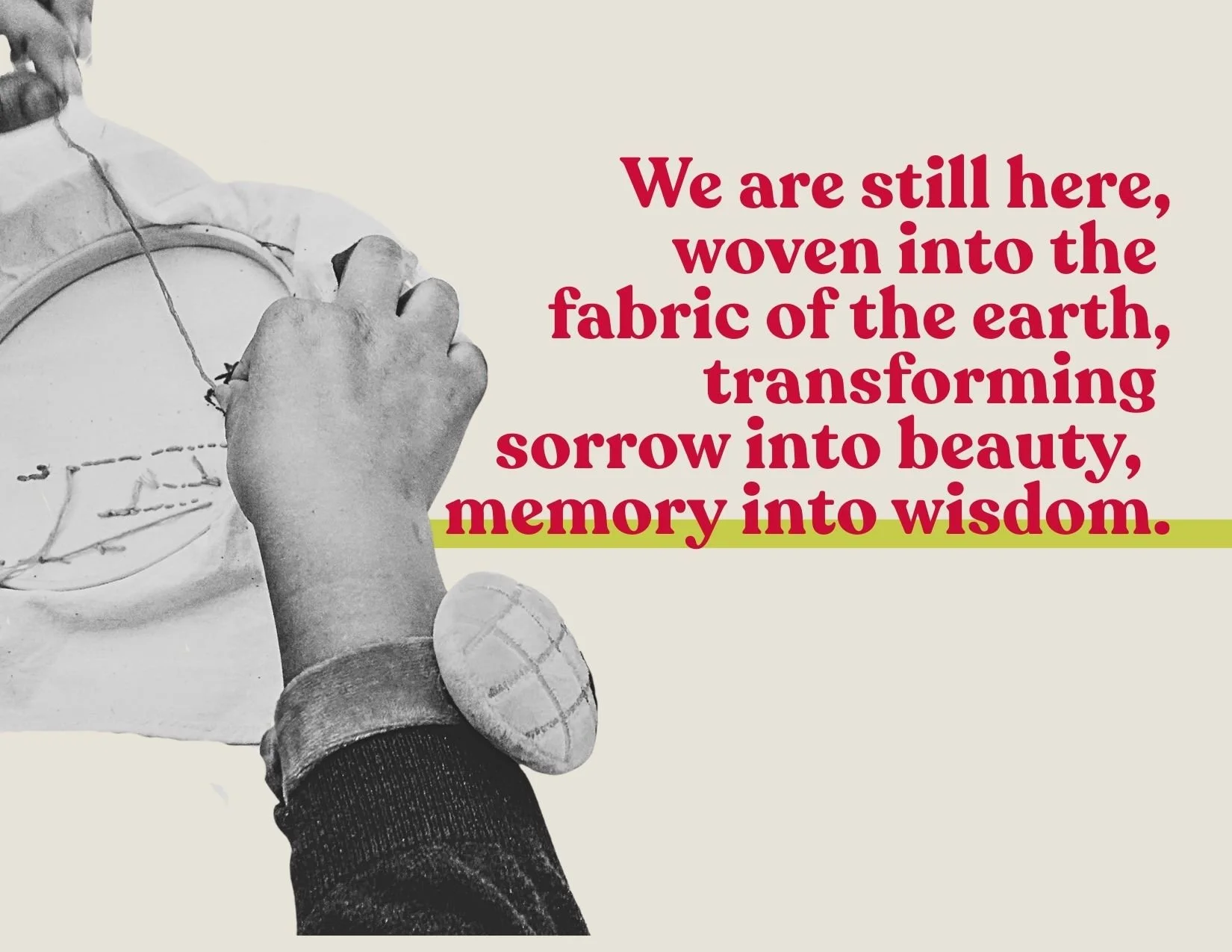
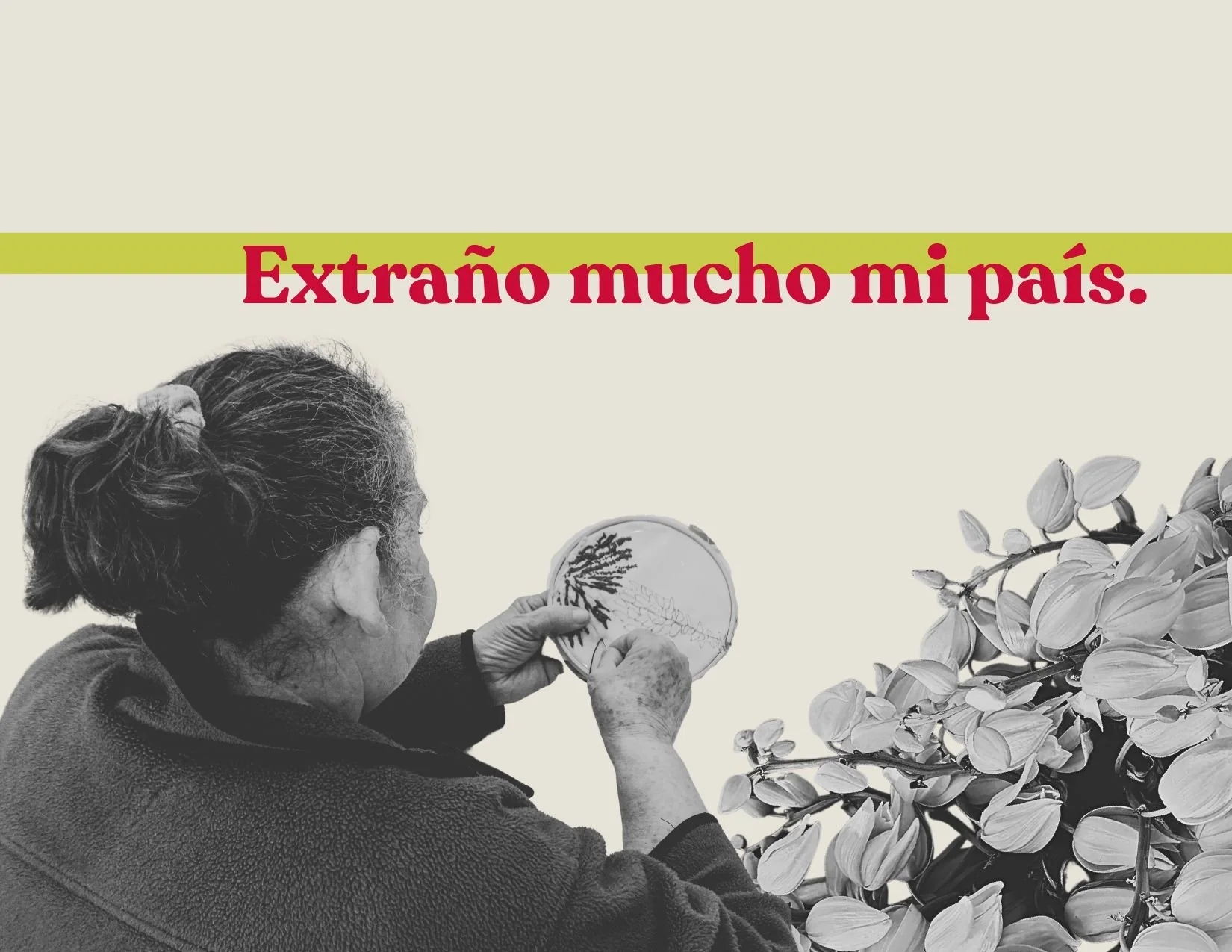
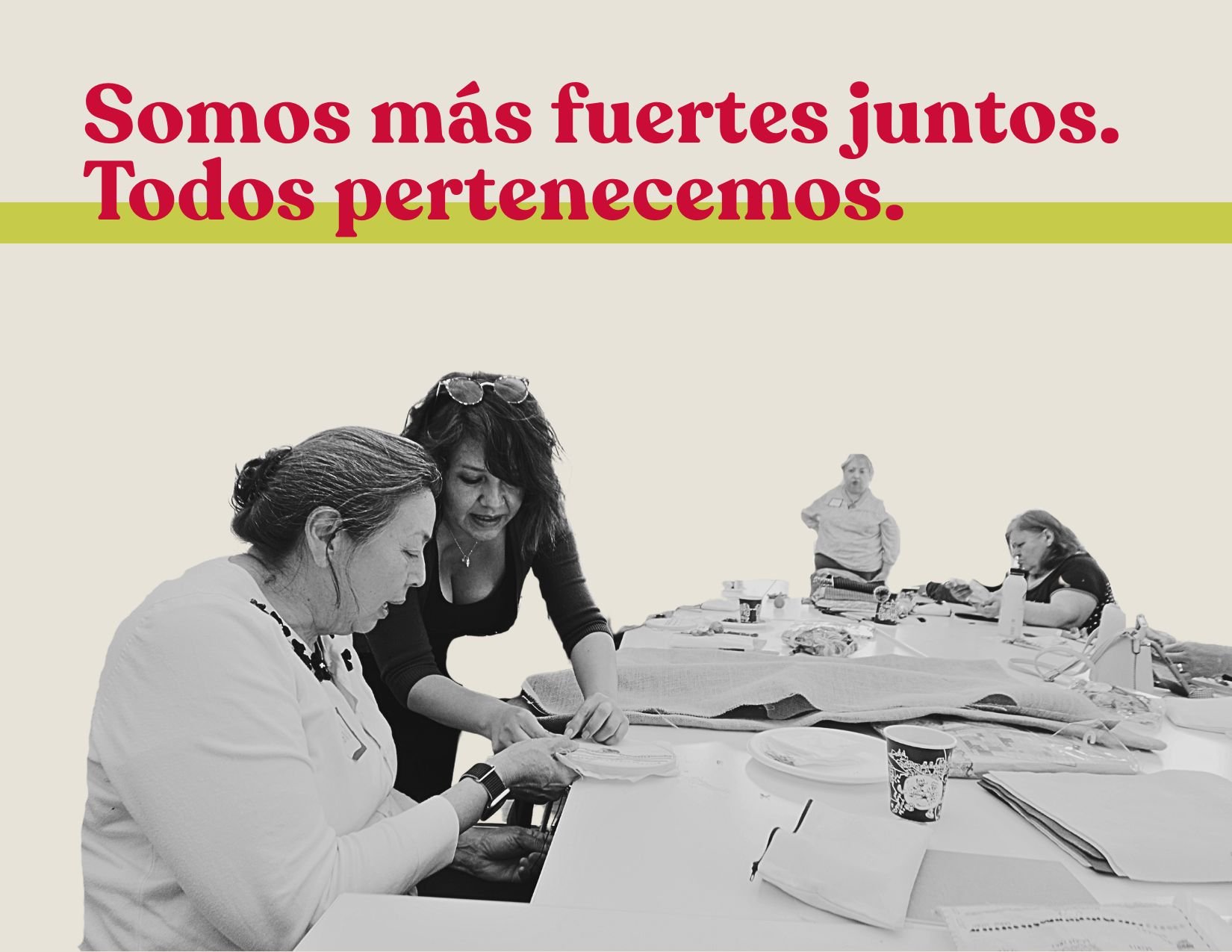
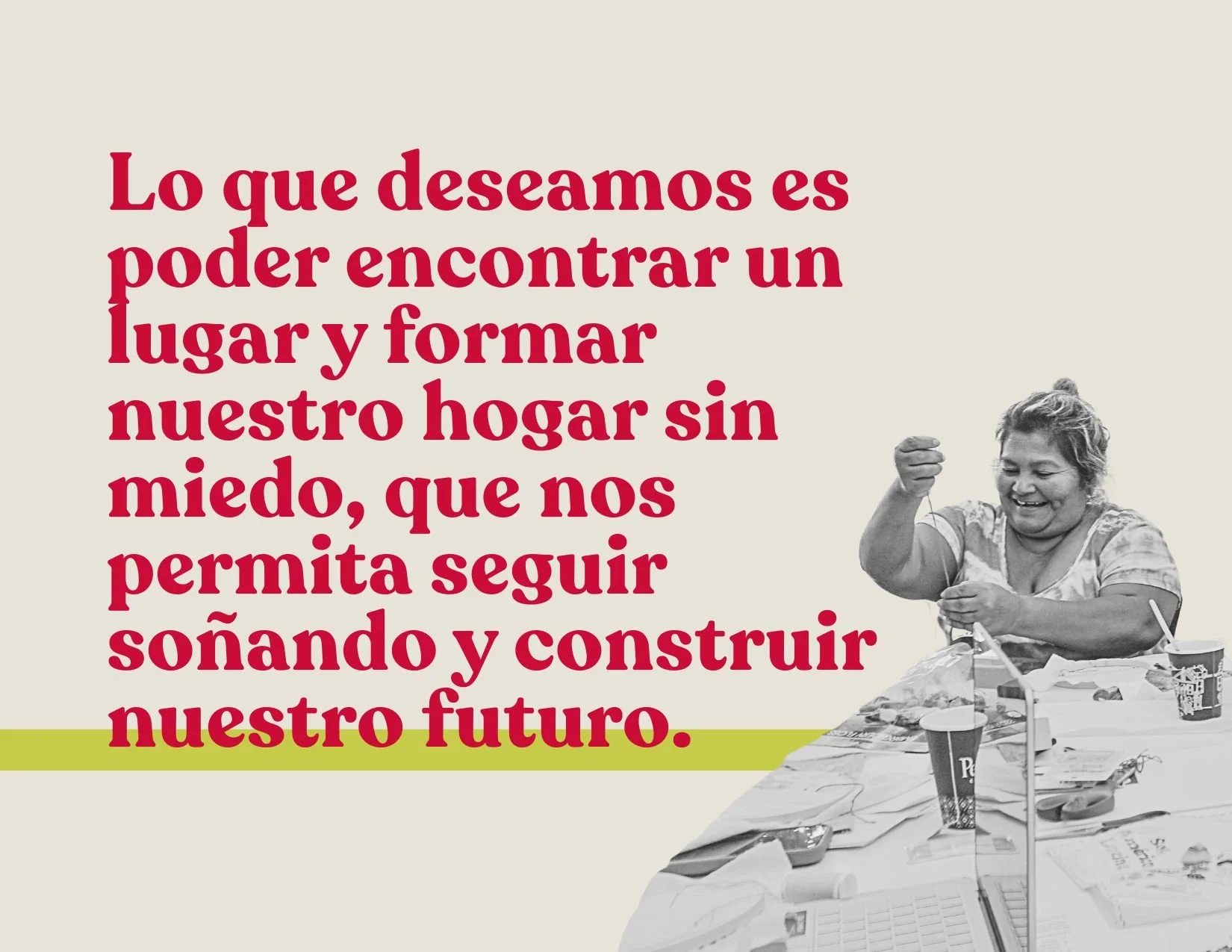
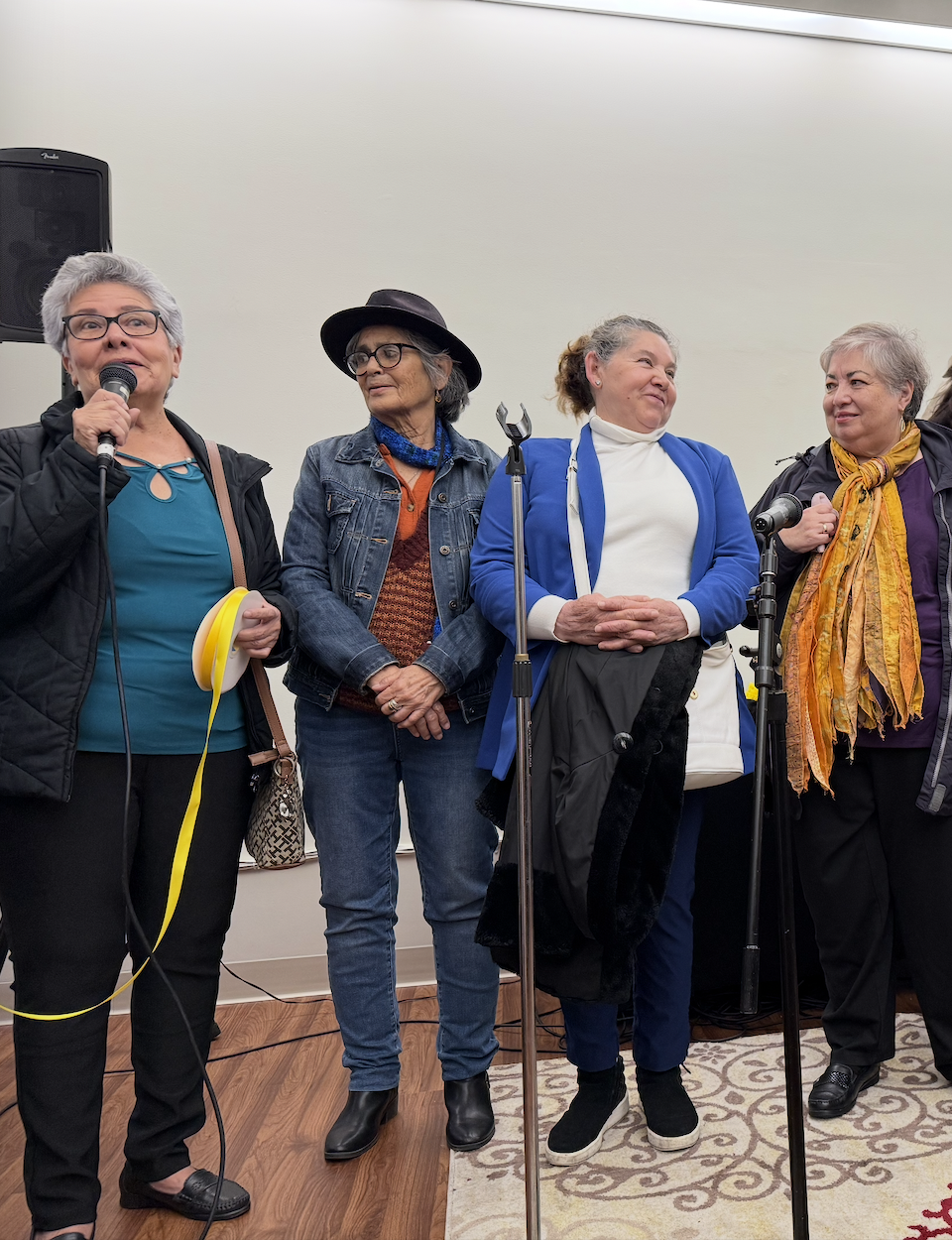
The project emerged from embroidery circles where migrant women gathered regularly to stitch, share food, and exchange stories about migration, work, family, and survival. These gatherings became a space of collective storytelling, where needlework carried memory, testimony, and humor.

I worked with Ocampo to transpose this deeply relational narrative project into a public exhibition—shaping both the visual narrative of the installation and the communications materials that allowed broader audiences to encounter the work.

The Communication Challenge

Public narratives about migration often reduce people to statistics or political abstractions. The women participating in the embroidery circles were creating something very different: a shared practice where the many experiences could be told and processed through craft, memory, humor, and community.

Our hope was to present this work publicly in a way that:

• preserved the authorship of the participants

• respected the intimacy of the storytelling process

• invited the public into relationship rather than spectacle

• translated a community-based art practice into a compelling and accessible narrative

My Role

Working alongside Valentina Ocampo, I helped shape the exhibition’s visual storytelling and public-facing communications. My contributions focused on elevating the presentation of the project so that the women’s stories could be encountered with clarity, context, and resonance.

Exhibition Narrative and Design Development
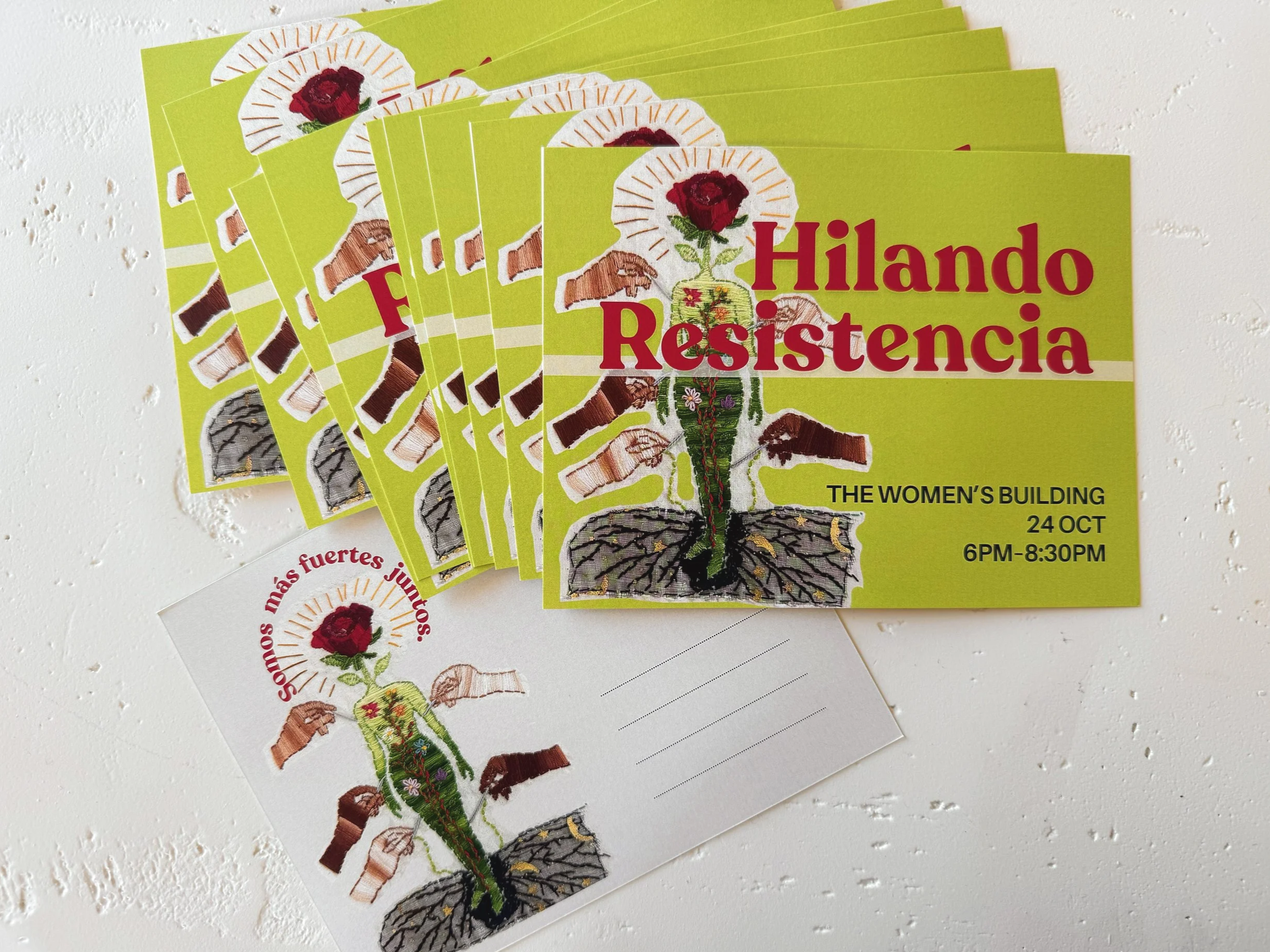
I collaborated on the conceptual and spatial development of the installation, helping shape how visitors would move through the exhibition and encounter the embroidered works and stories. I worked to refine how individual pieces were grouped, framed, and contextualized so that the exhibition read as a collective narrative rather than a series of isolated artifacts.

Visual Documentation

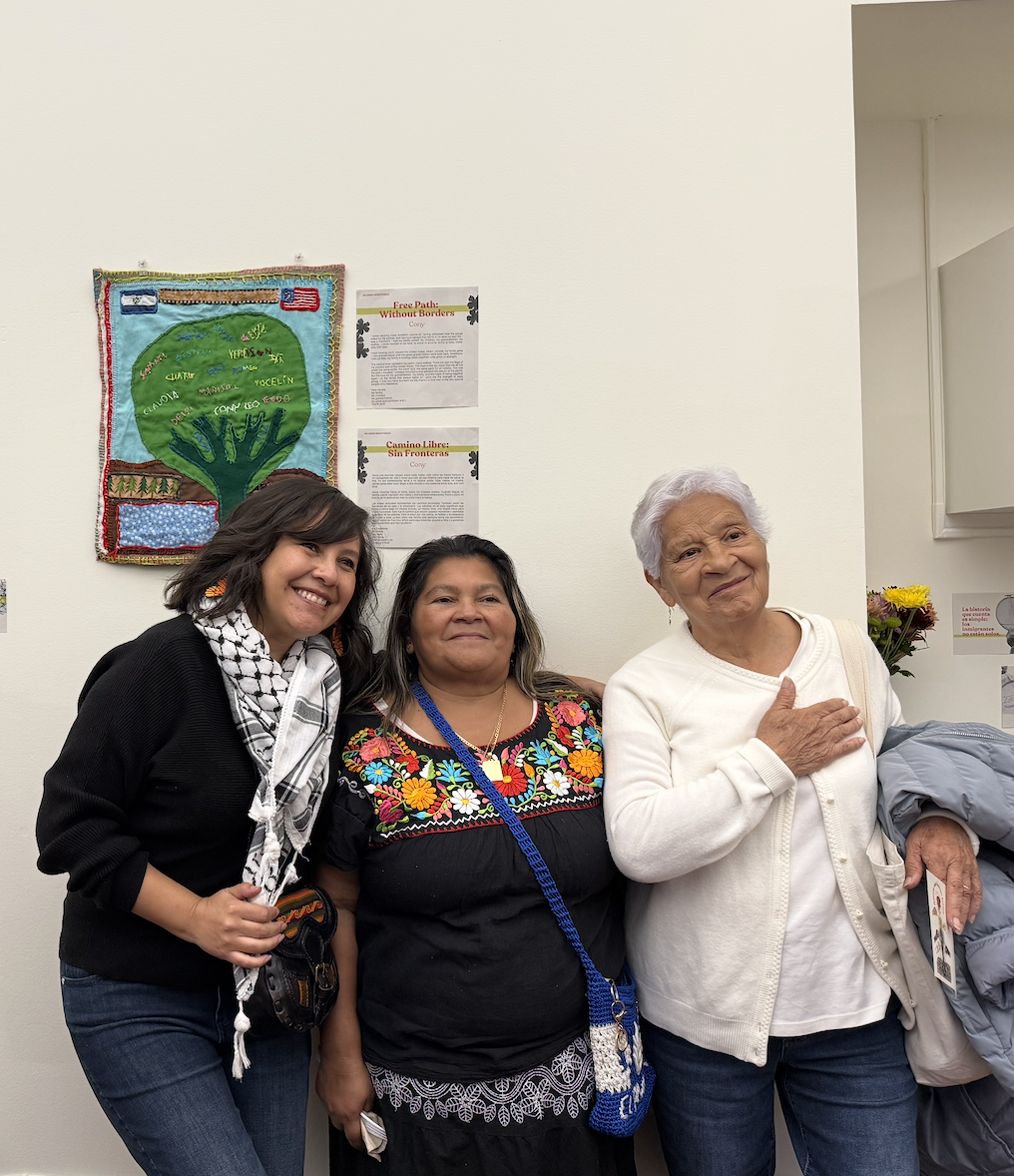
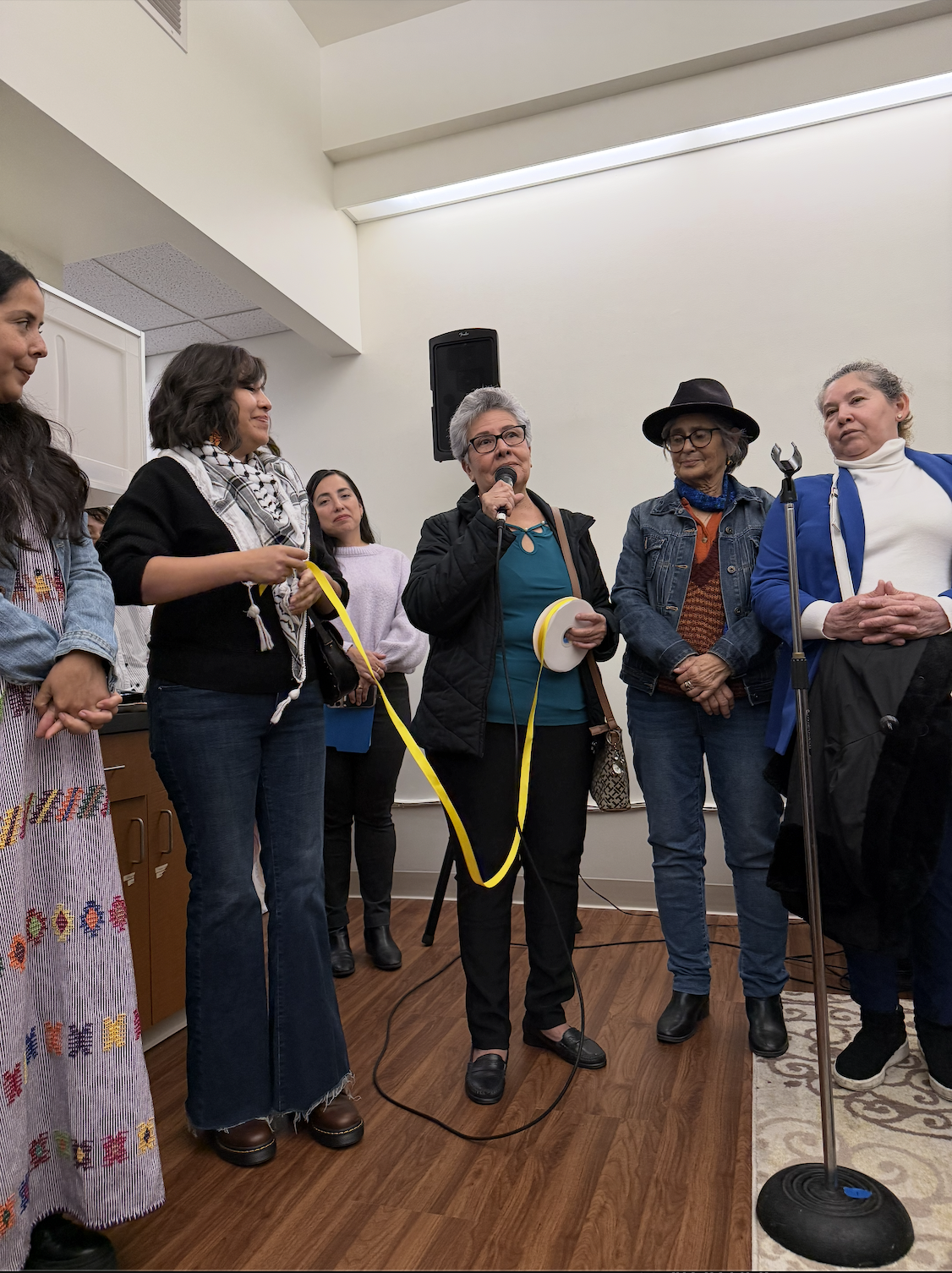
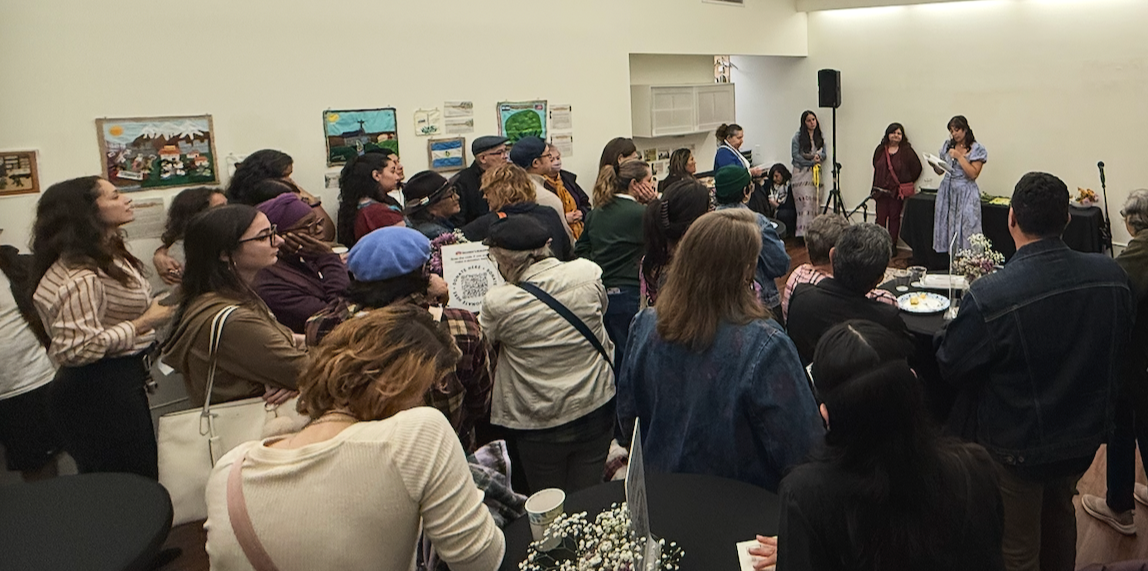
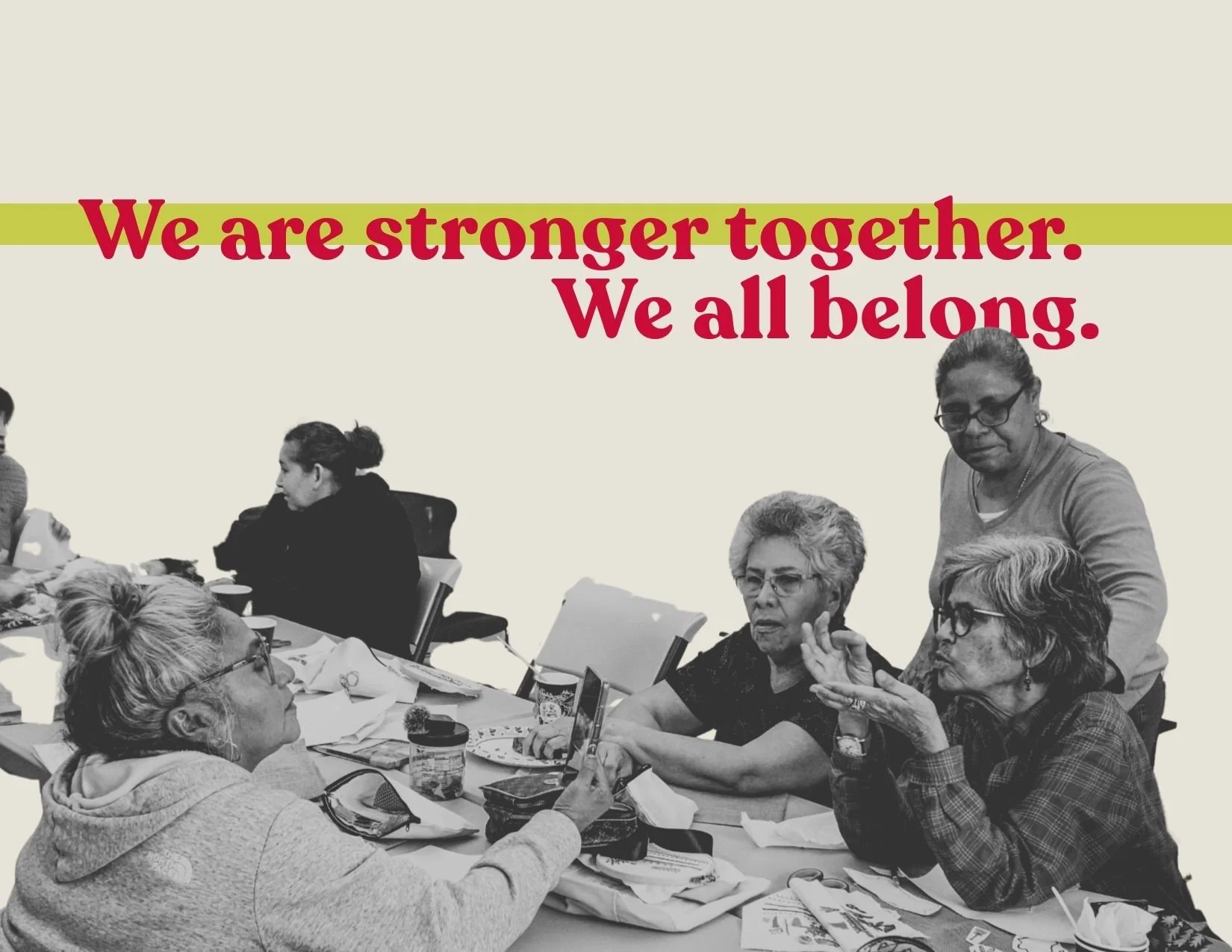
I photographed the event, creating a visual record of the public engagement and the women’s experience of having their work exhibited. The resulting photographs capture the finished textiles and also the gestures, relationships, and shared labor that produced them—revealing the exhibition as the outcome of a living community practice.

Public Communications Materials

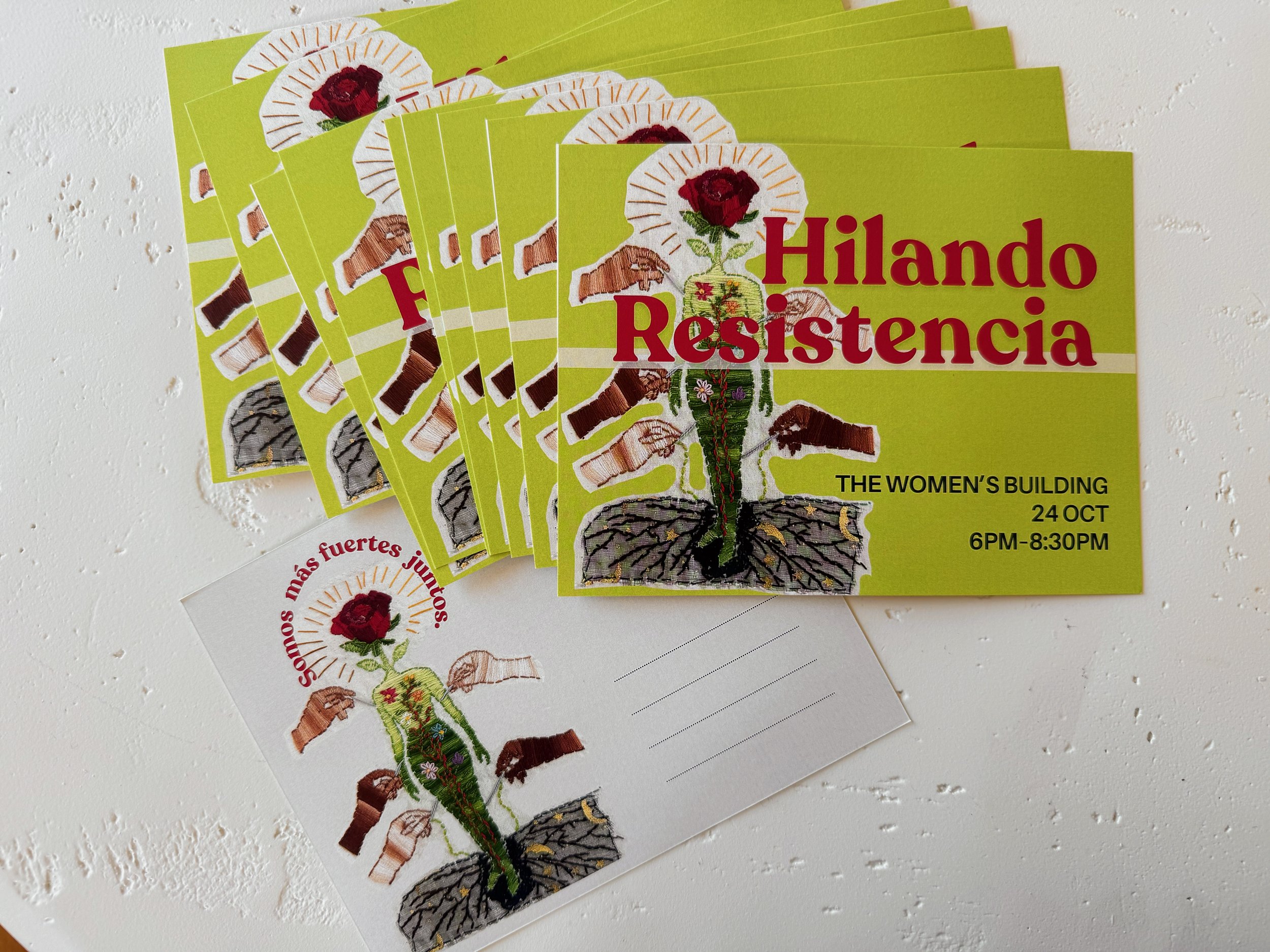
To support the exhibition’s visibility and accessibility, I designed and produced a set of complementary communications materials, including:

• exhibition fliers and posters

• interpretive captions accompanying the works

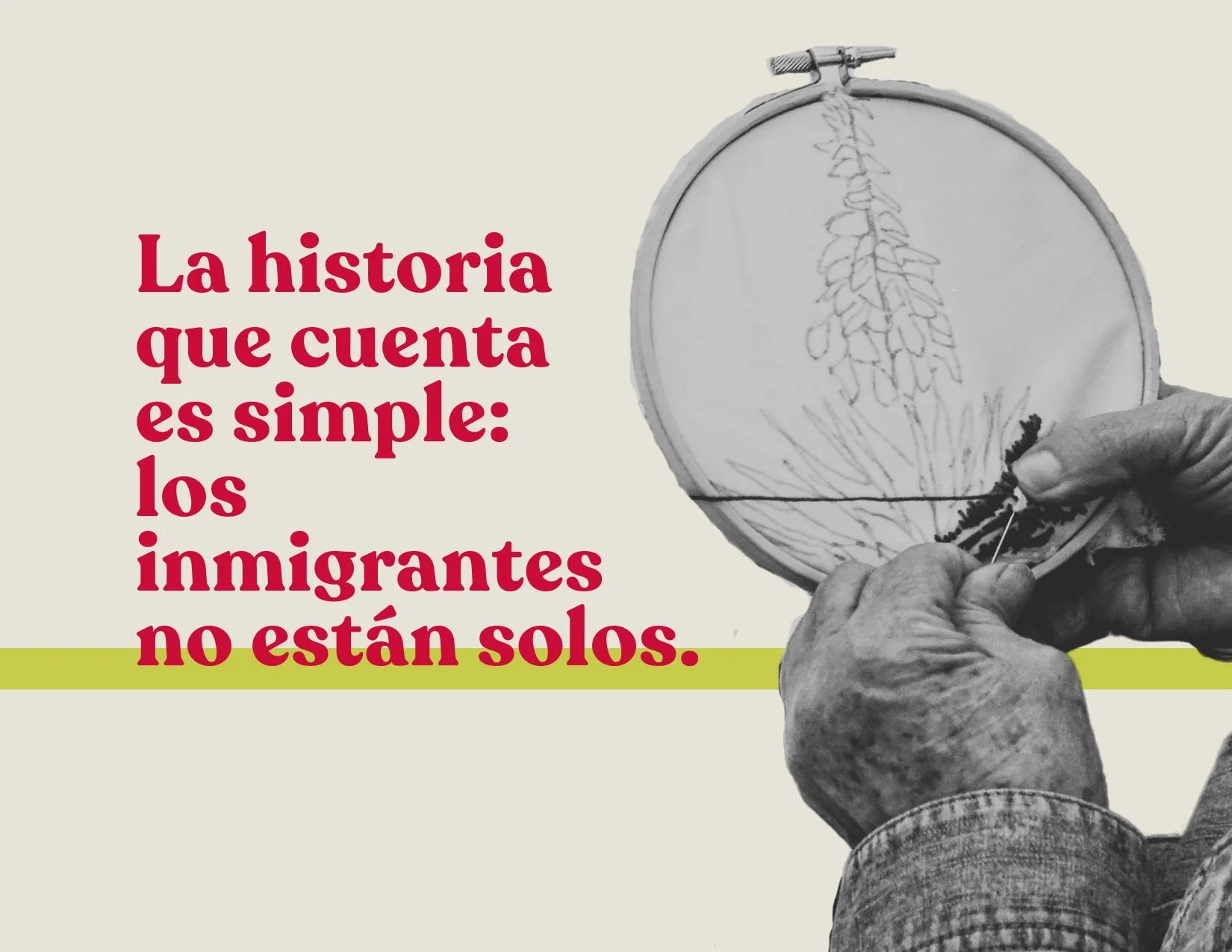
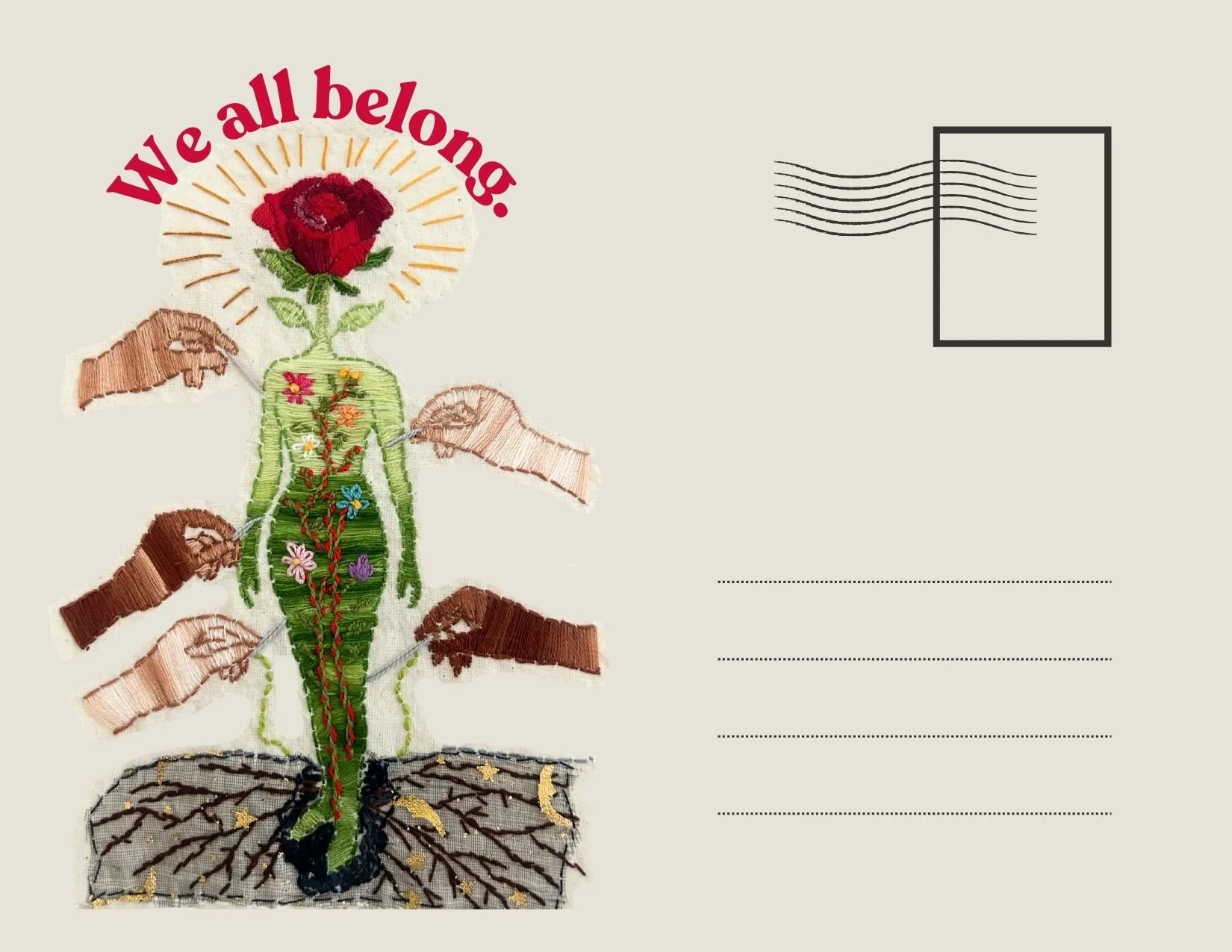
• a postcard series extending the project’s stories beyond the gallery and to community members worldwide

These materials helped translate the project’s themes into formats that could circulate within the neighborhood and beyond.
Narrative Framing

Across both the installation and printed materials, I worked to frame the project in a way that foregrounded collective authorship, allowing audiences to encounter the work as an invitation into relationship rather than as documentation of hardship.

Approach: Participatory Visual Storytelling

My role in Hilando Resistencia reflects the core principles of my visual ethnographic practice. I work collaboratively within community-based projects to help translate lived experience into visual narratives that can travel beyond the immediate setting.

The approach emphasizes:

Co-creation

Participants shape the narrative through their own artistic and storytelling practices.

Narrative dignity

Images and design choices reinforce the agency and authorship of those whose stories are shared.

Imagery as knowledge

Photographs function not only as documentation but as a form of cultural research, capturing relationships, gestures, and environments that shape collective life.

Outcomes

The exhibition created a public space where visitors could encounter migration through handwork, conversation, and collective storytelling.

Outcomes included:

• A public exhibition at the San Francisco Women’s Building

• Visual documentation of the collaborative process

• Printed materials that extended the project’s stories into the surrounding community

• Media coverage in Mission Local’s article “Threading Resistance”

media coverage

Mission Local’s writeup shared out the heart of Hilando Resistencia and stirred community interest in the exhibit’s opening events at San Francisco’s Women’s Building

*An upcoming future exhibit in Oakland at the Rockridge Branch of the Oakland Public Library.


More importantly, the exhibition helped shift the conversation about migration from abstraction toward presence, creativity, and belonging.

Why This Work Matters

At a time when migration is often framed through fear or crisis, Hilando Resistencia offered a different public narrative. Through embroidery, storytelling, and collective making, the participants created a space where migration could be understood as lived experience—complex, creative, and deeply human. My role was to help shape how those stories traveled into the public sphere through visual narrative, design, and documentation.
Projects like this illustrate how visual storytelling can support institutions working toward belonging and equity.

Participatory visual narratives can:

• shift public perception

• amplify community knowledge

• connect research to lived experience

• create emotional entry points into complex social issues

Comment

DEAR LITTLE HILL

Comment

DEAR LITTLE HILL

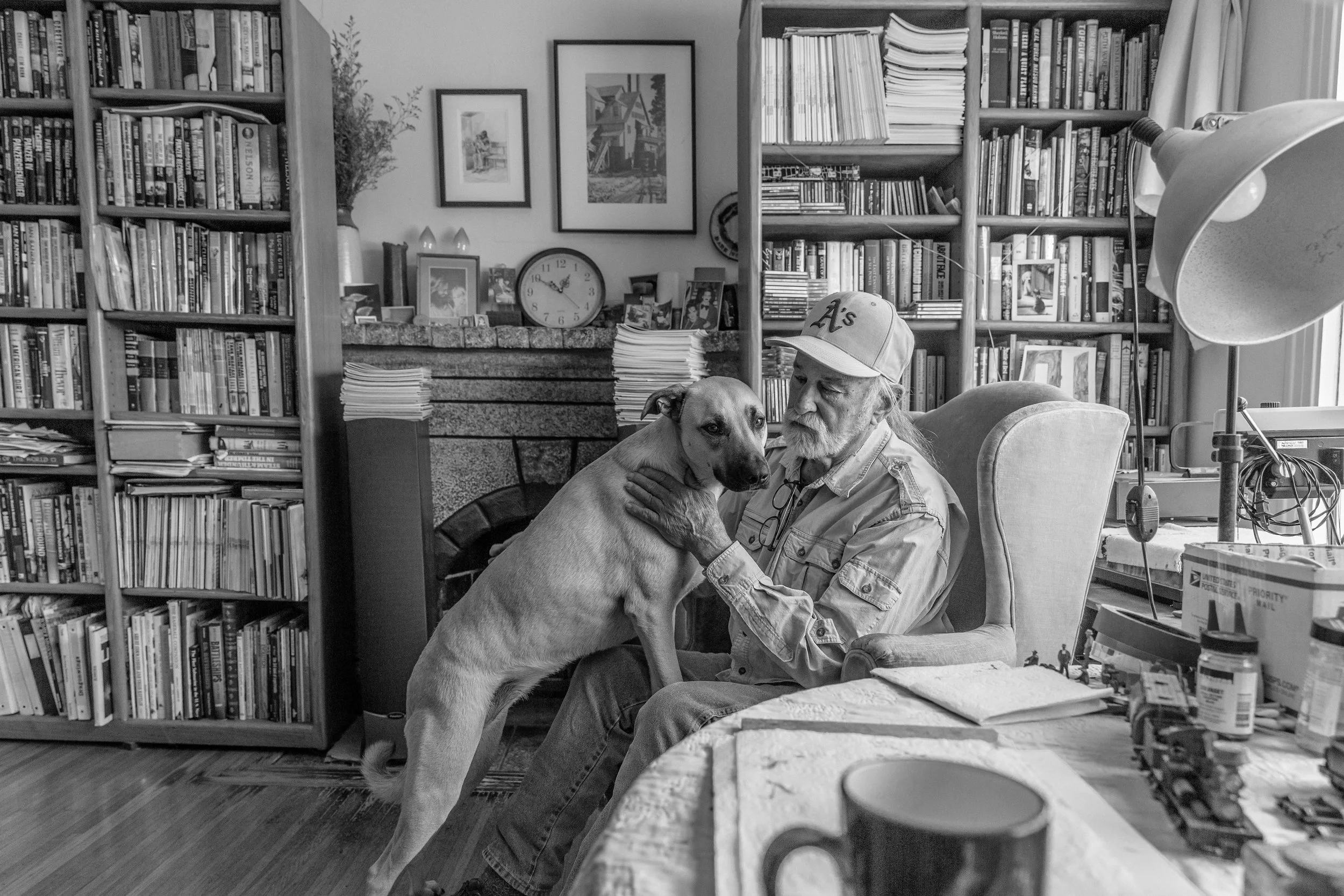
When East Bay photographer, Michelle Mendieta Mitchell and I got curious about the SF Chronicle’s series, The Graying Bay, we began creating a photo archive of what life in our own neighborhood looks like.

Date: ongoing 2025–26

Method: photographic community archive

Impact: The project is ongoing and continues to gain momentum as a neighborhood collaboration. The growing body of photographs has also surfaced as a hyperlocal way of moving beyond a flat demographic story of housing shortages and affordability issues as we explore the spectrum of lives lived in our neighborhood.

We’ve been invited to exhibit the collection at a local WOB and look forward to how the project will evolve in 2026.

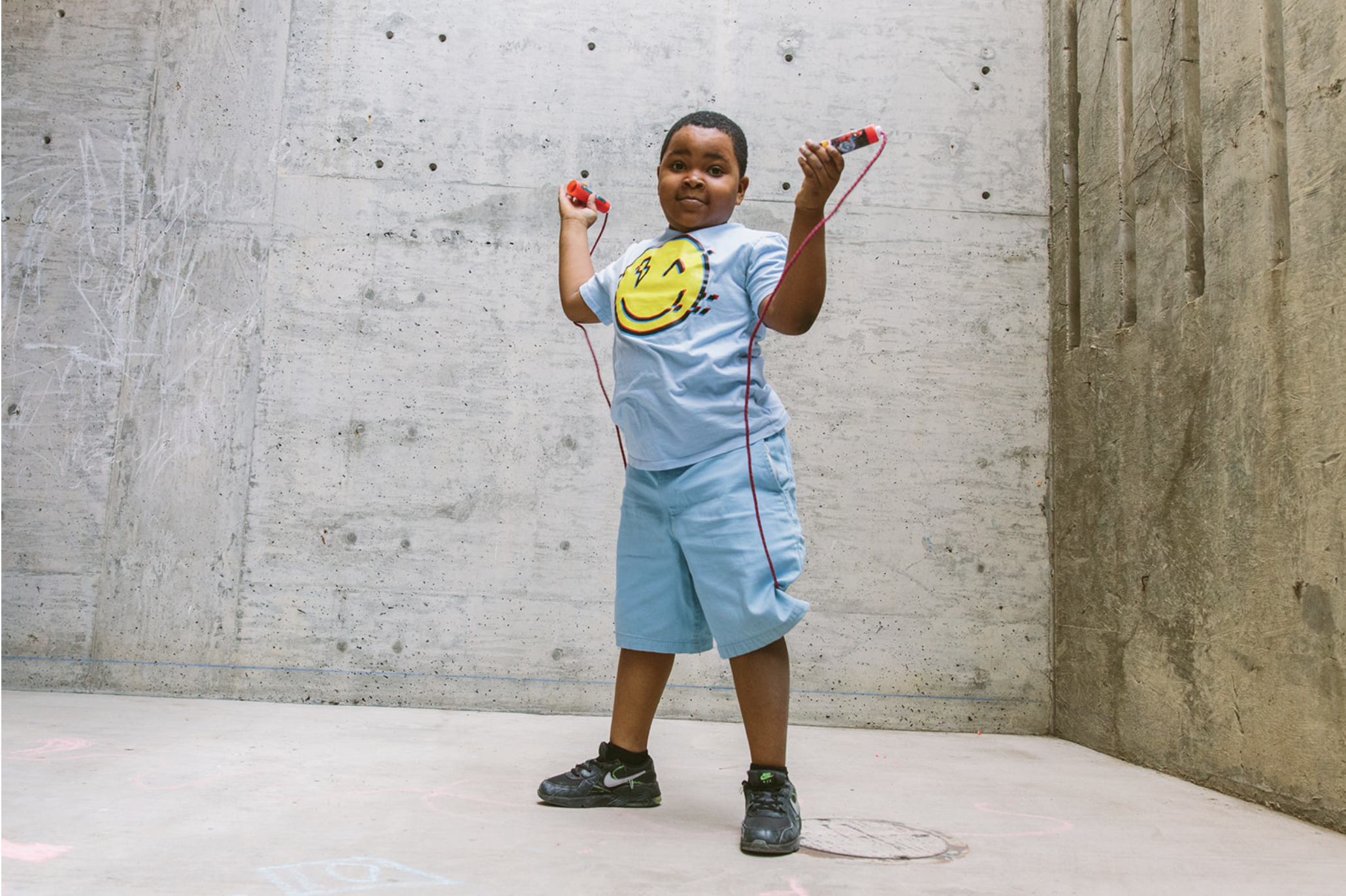
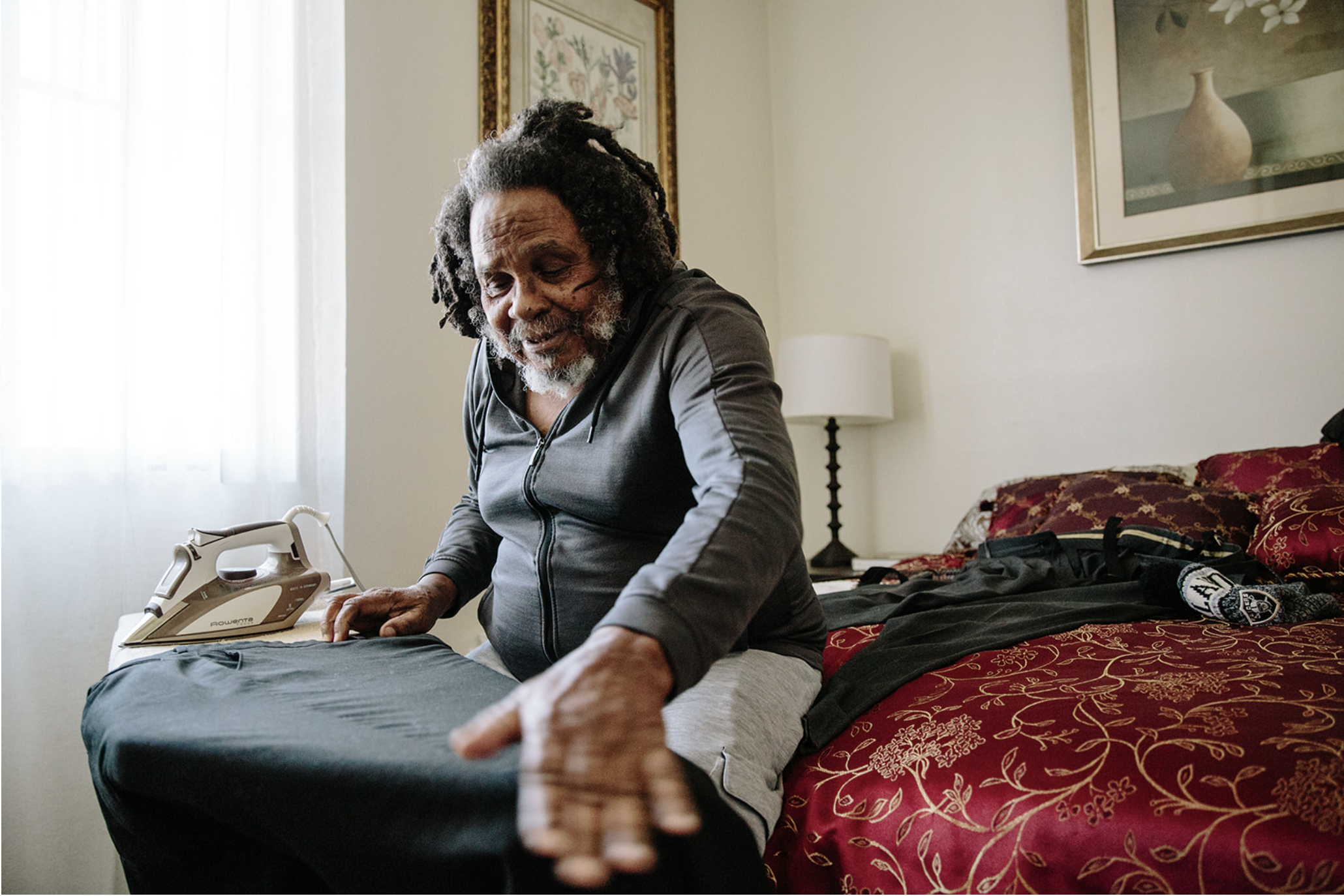
M and her pullet, Honey

neighbor Don and his BunBun

a young family that attends school on our block explores the local granite

P and her companion, Bubba

Is your organization working to make demographics come to life in vivid color? Let’s work together!

Comment

CHINESE CULTURAL CENTER + EDGE ON THE SQUARE: WE ARE IMMORTAL! PROCESSION

Comment

CHINESE CULTURAL CENTER + EDGE ON THE SQUARE: WE ARE IMMORTAL! PROCESSION

We Are Immortal! demonstrates how images can serve as tools for visibility, dignity, and collective memory.

Partners: Chinese Cultural Center and Edge on the Square

Date & Place: May 24, 2025; Chinatown, San Francisco
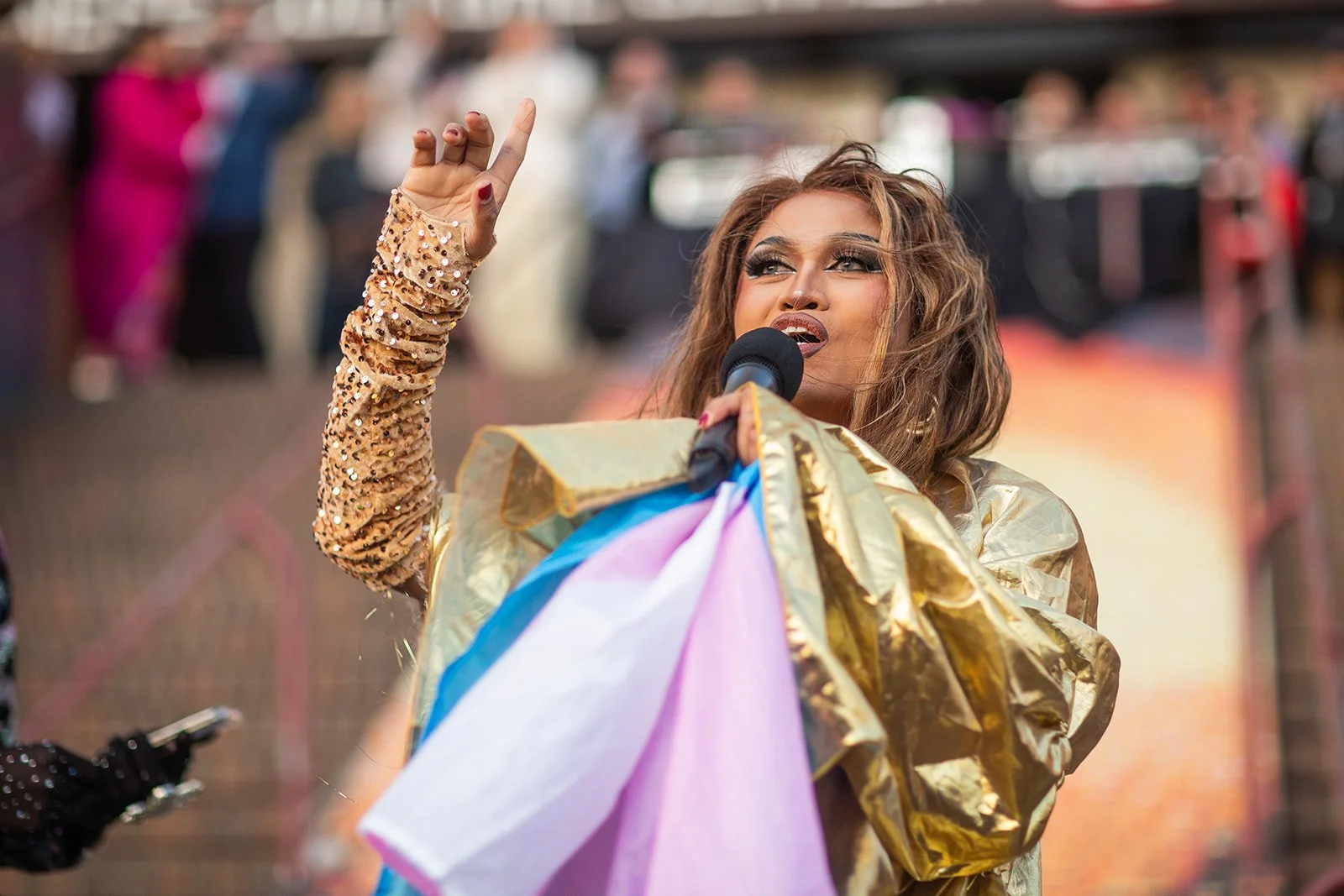
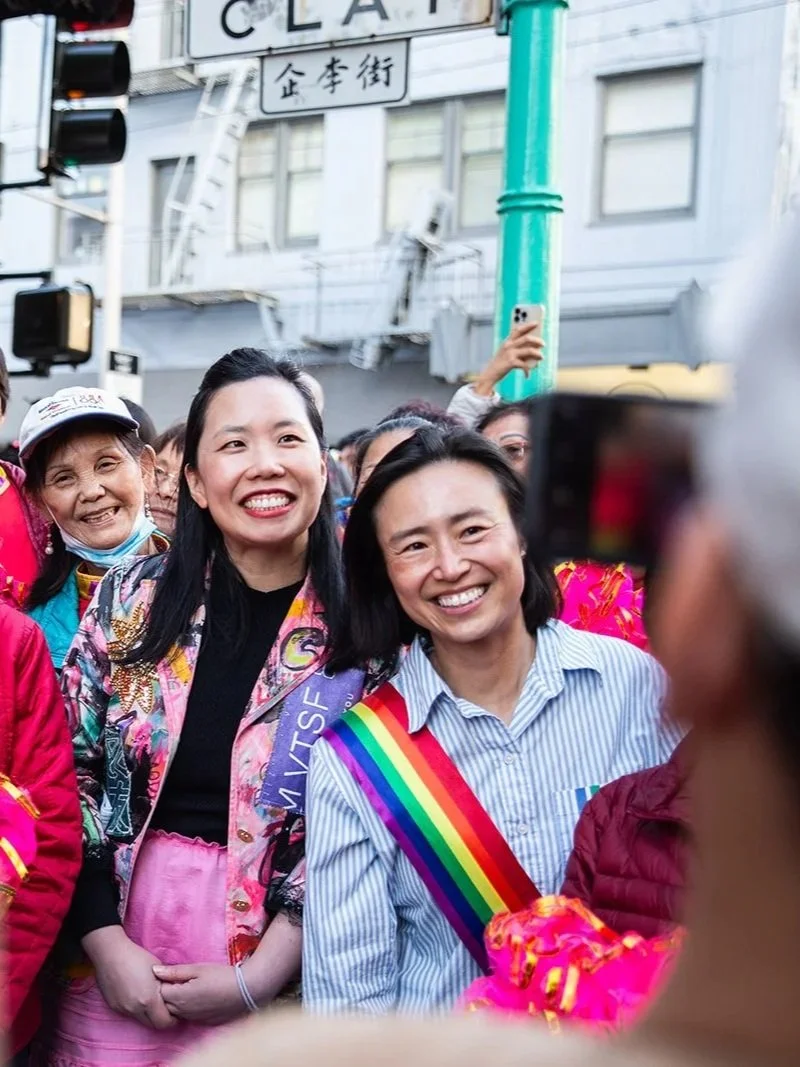
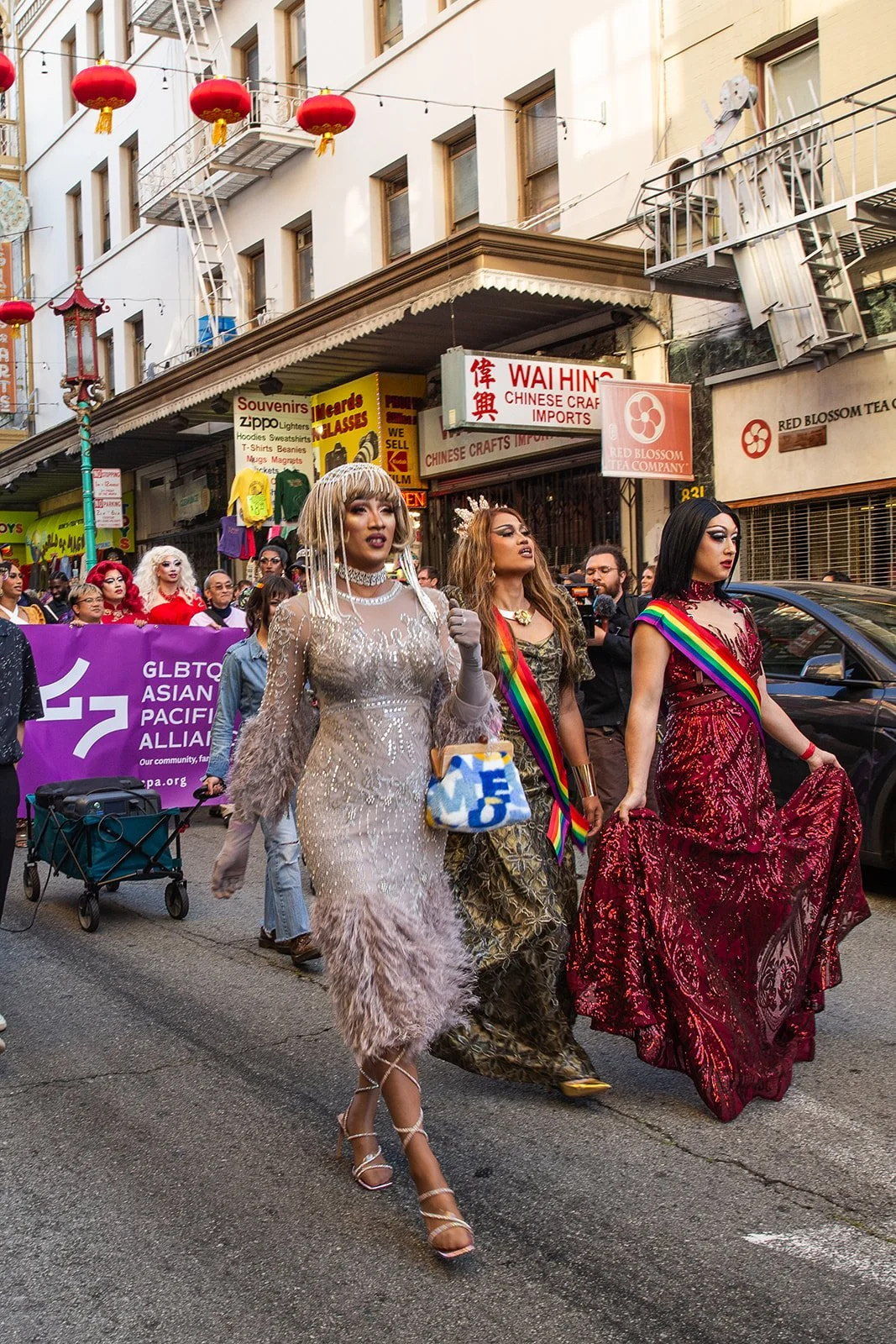
Event: First Chinatown Pride Procession and Festival, under the theme We Are Immortal
Focus Area: Cultural equity, LGBTQ+ visibility, intergenerational storytelling
Methods: photo documentation, participatory presence

Background: Chinatown holds deep legacies of activism and art but, as in many places globally, queer histories here have often been under-told or erased. Our partner organizations wanted to document the event in ways that honor community voices, intergenerational connections, and embodied joy for both the present and for the future.

Approach: Drawing from visual ethnography as embodied, sensory, and relational, the photography process emphasized minimal staging, attention to joy, dignity, and co-creation.

Impacts and results:

Cultural Visibility: Images made queer Chinatown histories visible—contributing to resisting erasure.
Organizational Assets: Photos now serve partners (SF Chinese Cultural Center & Edge on the Square) as festival marketing, web galleries, advocacy material.
Community Engagement: Participants saw themselves reflected, affirming identity and legacy.
Documentation for the Future: A visual record that becomes archive—proof of presence, proof of hope.

The procession on The Friendship Bridge

Free Mom Hugs + Rice Rockettes

city dignitaries, politicians, artists, activists, and community members catch joy of the day

First Annual Chinatown Pride Procession

Chinatown is profoundly queer—not just in identity, but in existence. Its queerness stands as an act of defiance against racism, displacement, and corporate encroachment. This history runs deep through San Francisco’s cultural fabric, inspiring an ‘immortality’ that lives on in those who continue our fight against erasure.
— CCC + Edge on the Square

procession participants point out Chinatown landmarks

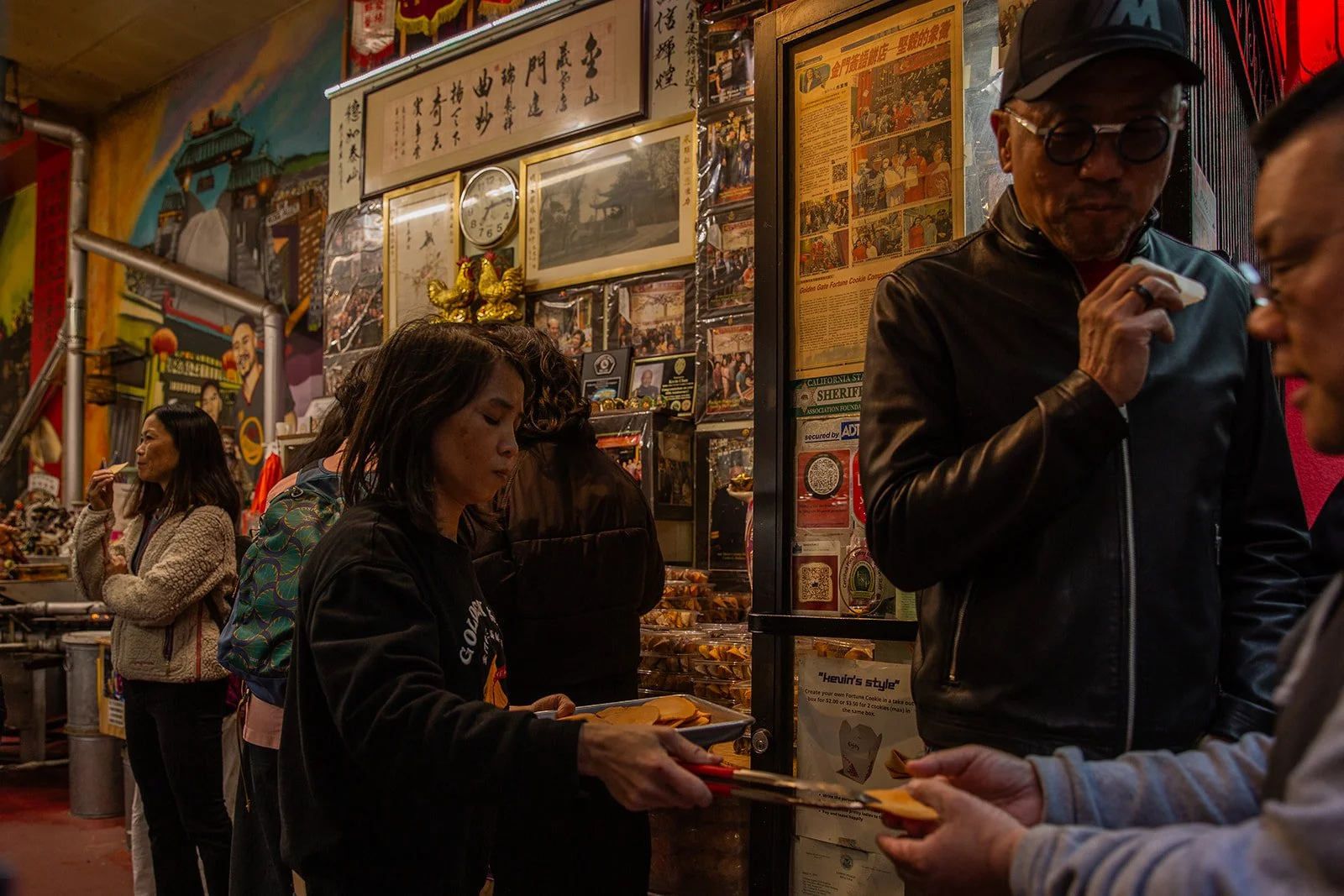
Golden Gate Fortune Cookie Factory hand out samples of their famous cookies

elders entertain with traditional drumming

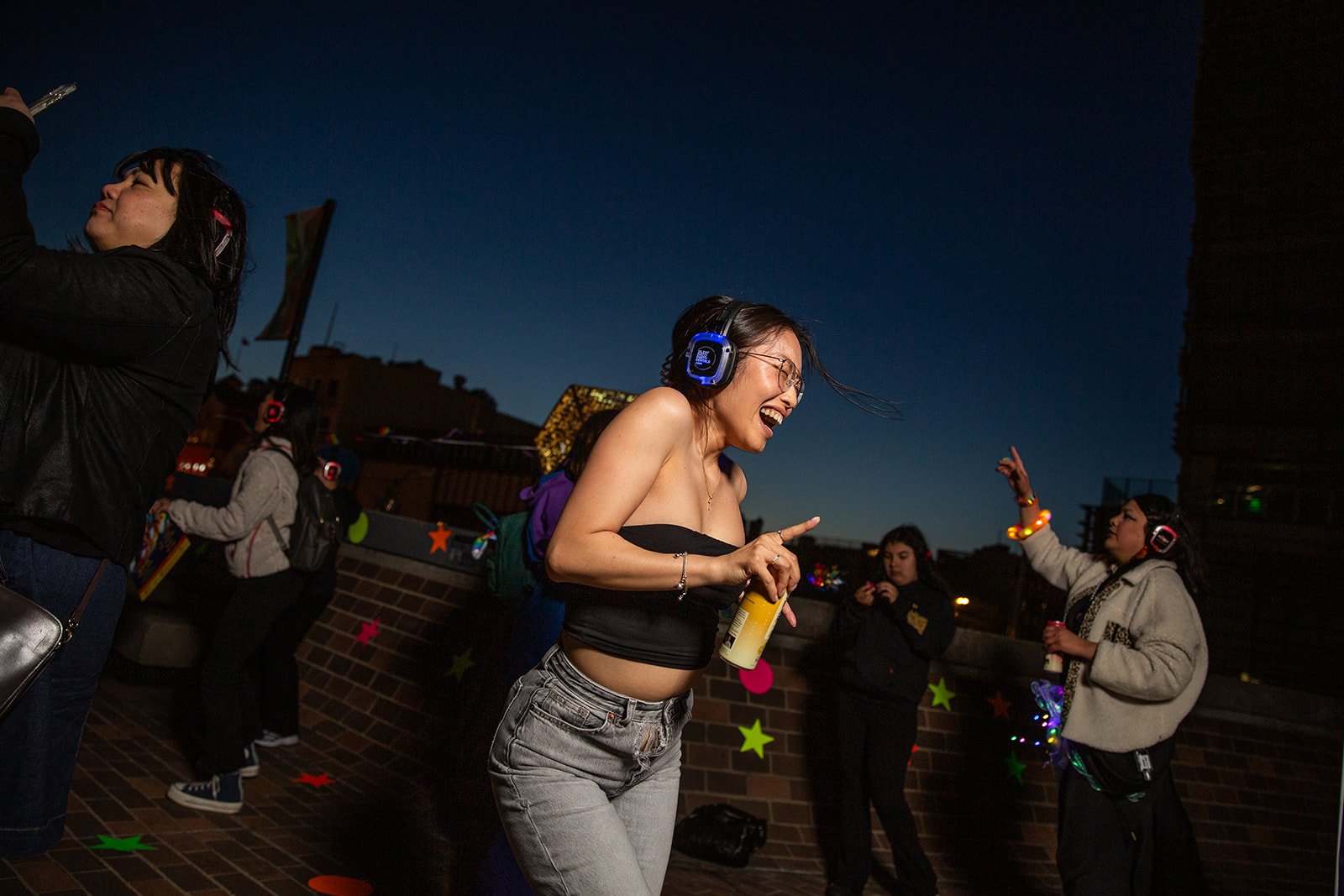
silent disco fundraiser at SF Chinese Cultural Center

DIY: WAYS YOUR ORGANIZATION CAN DO THIS WORK

  • Begin with immersion—walk the spaces, feel the atmosphere.

  • Let participants co-create what is documented.

  • Seek details that evoke sensory and emotional registers, not just events.

  • Share images back to community for reflection.

  • Build dual outputs: public storytelling + internal archive for memory-keeping.

WANT TO WORK TOGETHER?

Let’s design processes that honor your community’s presence and ensure its stories endure.


Comment

Welcome Home: Housing First for Veterans in Beaumont, California

Comment

Welcome Home: Housing First for Veterans in Beaumont, California

Partners: LINC Housing

Date & Place: March 2025; Beaumont, California

Focus Area: housing, visibility, intergenerational storytelling

Methods: photo documentation

Impacts and results:

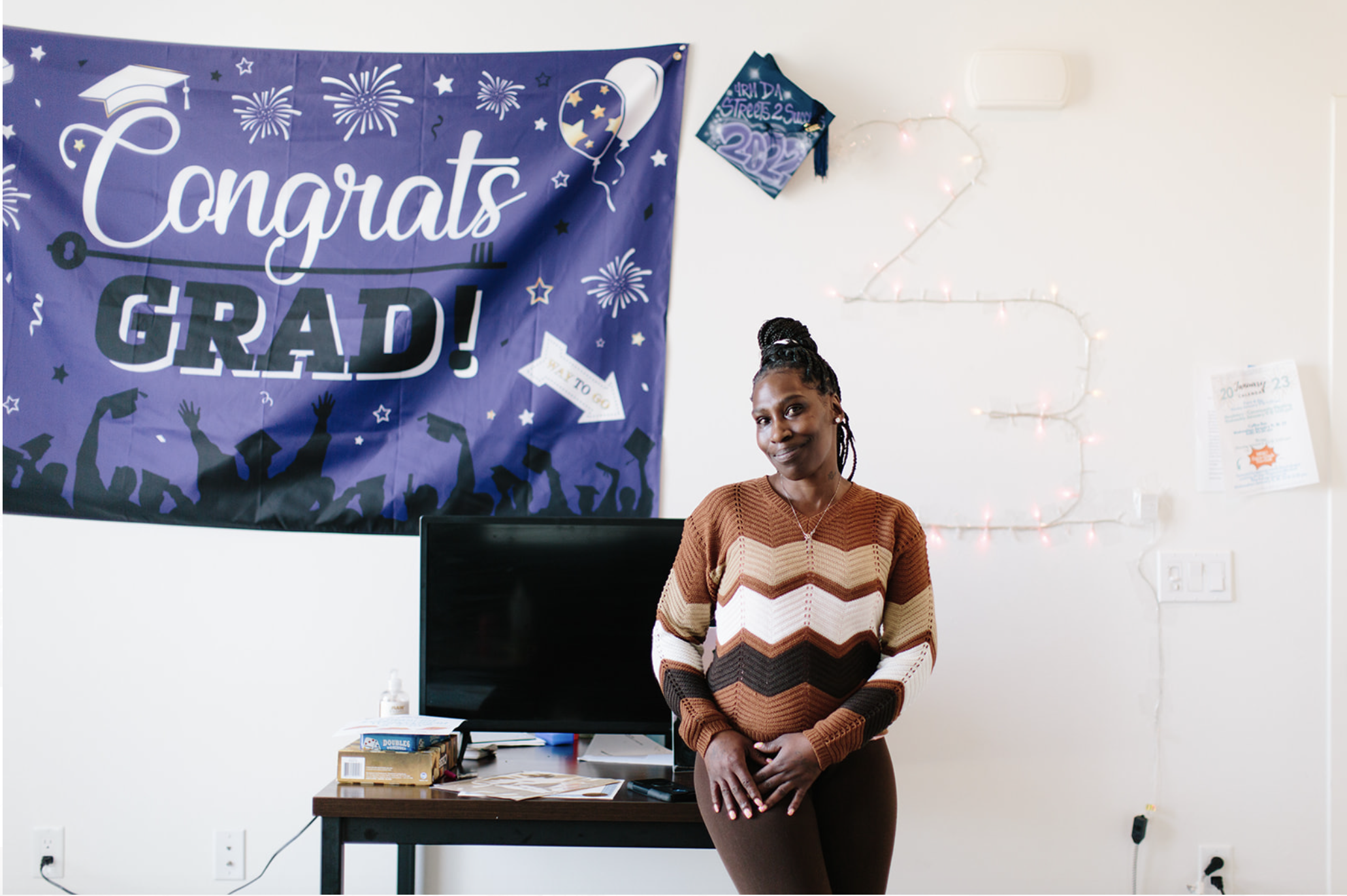
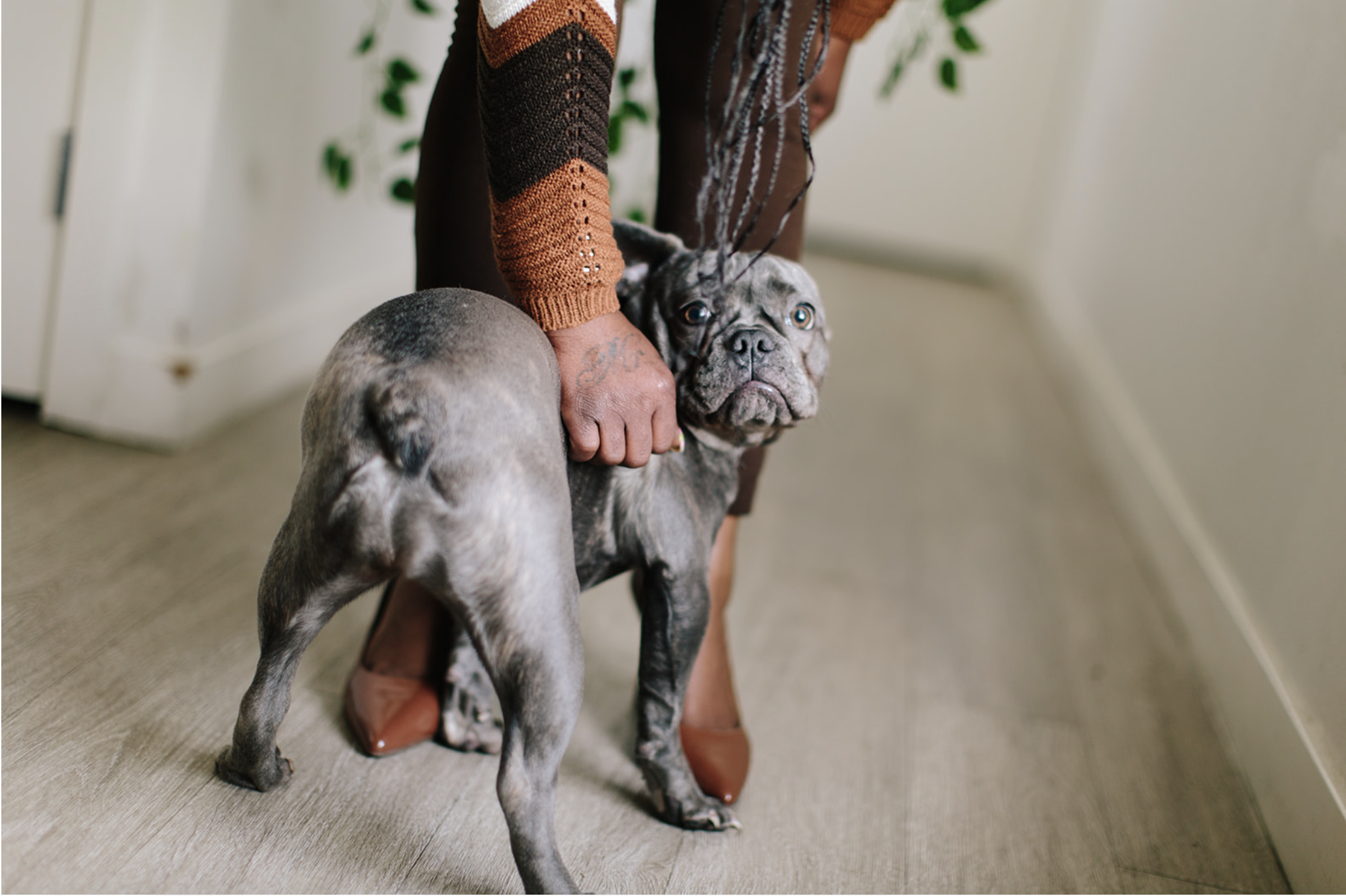
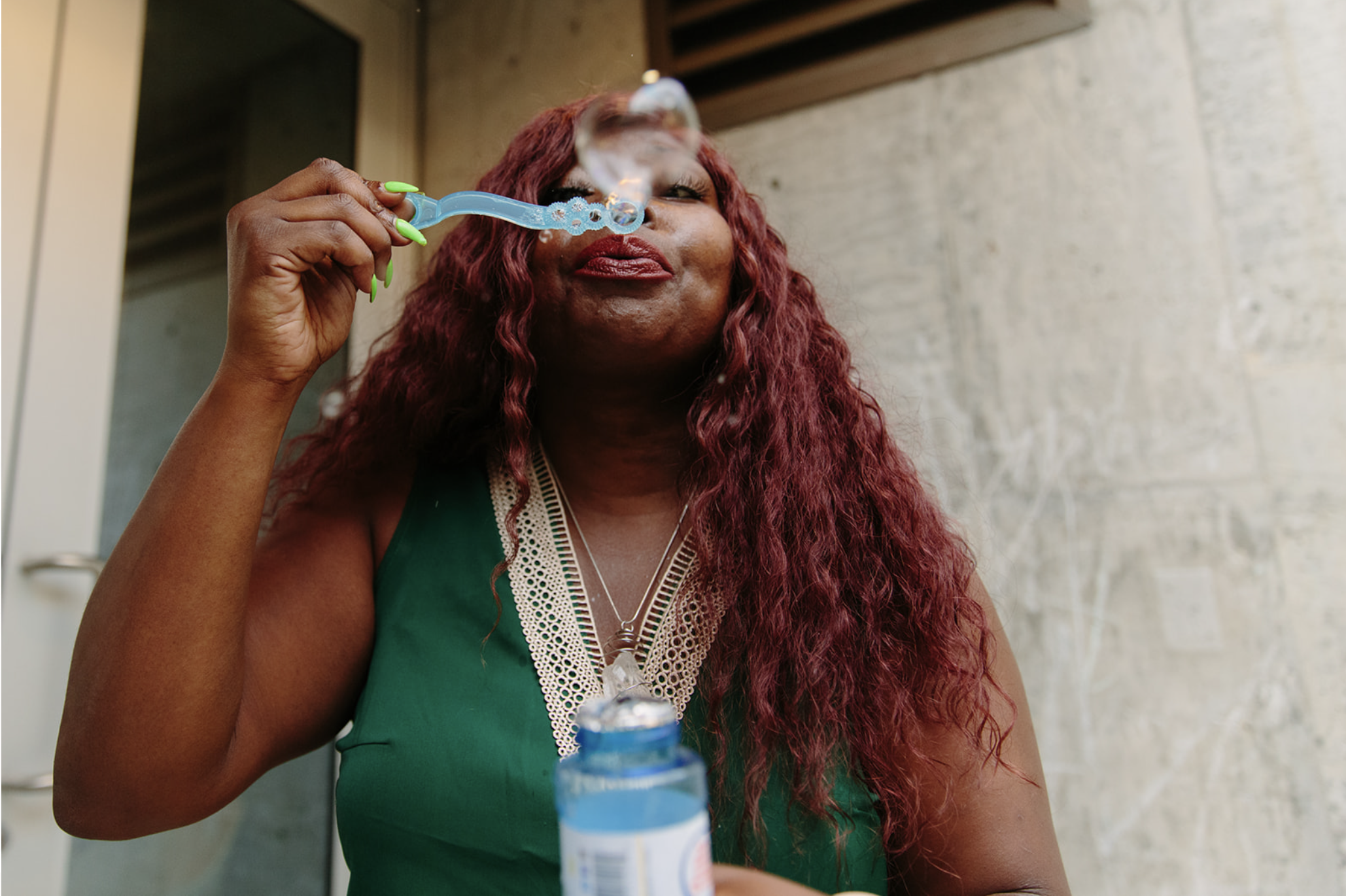
  • Cultural Visibility: What people imagine when they think of military veterans might be incomplete. In these photographs, we feature the range of people—mothers, children, elders, and others—who have served in the armed forces and who are now served by LINC Housing.

  • Organizational Assets: These photographs now help illuminate LINC Housing’s mission and vision online and in print.

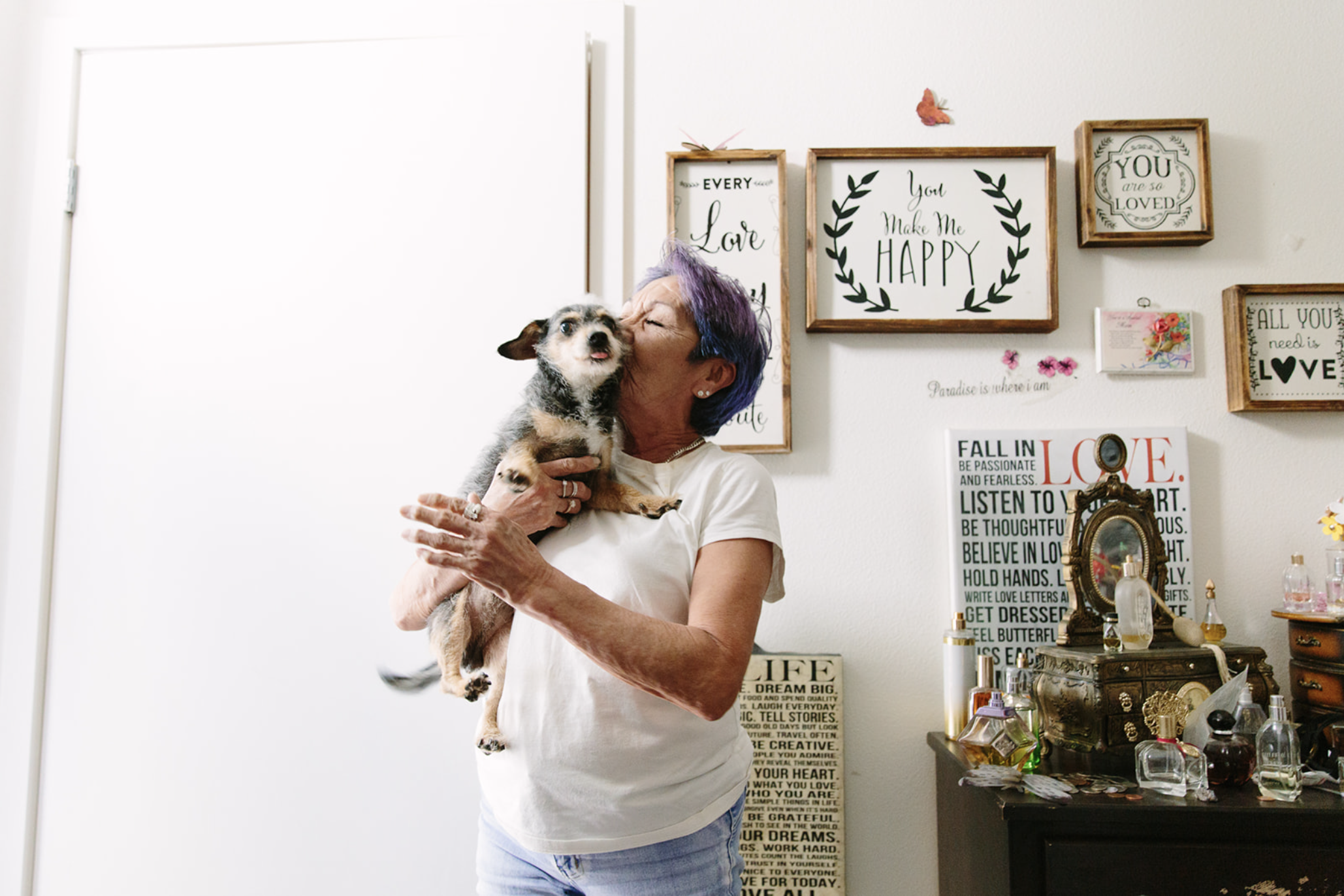
Supportive housing for veterans often means a quiet place after a season of chaos. It sometimes means a studio apartment where sunlight filters through curtains, where pink-filigreed furnishings welcome tired bodies after a long workday, or where there is space to host a small dinner with friends. Housing can mean an enduring welcome and a sense of belonging.

Want help telling the stories of the people who make your organization’s fight worth fighting? Let’s work together!

Comment

Engineering Our Biophilic Future: UCSC'S Baskin School of Engineering

Comment

Engineering Our Biophilic Future: UCSC'S Baskin School of Engineering

Partners: University of California Santa Cruz, Baskin School of Engineering

Place : Santa Cruz, California

Focus Area: Higher Education, STEM

Methods: environmental head shots

Impacts and results:

  • Visibility: UC Santa Cruz’s Baskin School of Engineering wanted imagery that reflected its camaraderie, natural beauty, and resources.

  • Organizational Assets: These environmental head shots now help current and potential students at University of California Santa Cruz’s Baskin School of Engineering better imagine what it feels like to learn on a lush campus surrounded by people researching big data, cyber-physical systems, genomics, and computational media.

Want help communicating what’s great about life and learning on your campus? Let’s work together to help potential students find their next academic home.

Comment

A Place of Our Own: Stable Housing in the City of Angels

Comment

A Place of Our Own: Stable Housing in the City of Angels

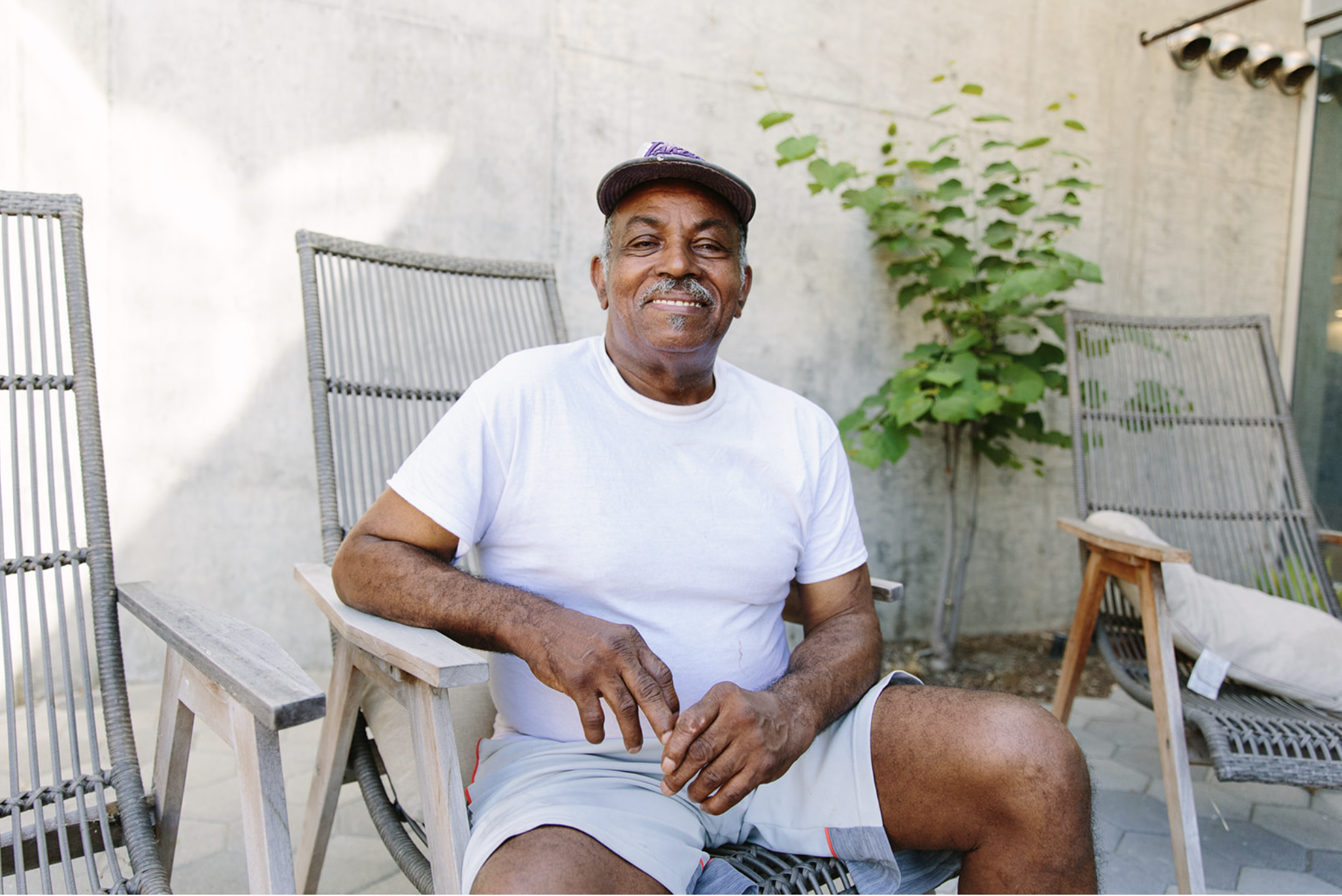
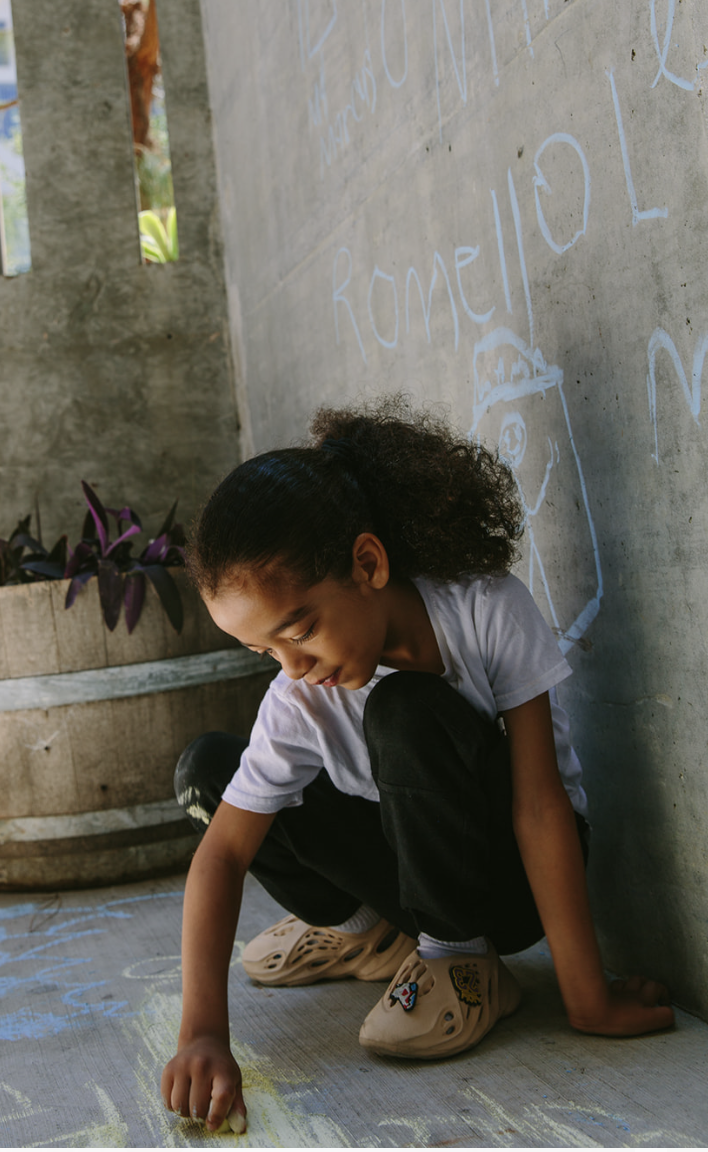
This collection of collaborative photographs, co-created with LINC Housing residents in their favorite home places help bridge understanding of what home can mean to people who have lived outside.

Partner: LINC Housing

Date: ongoing since 2022

Focus Area: housing, migration, placemaking

Method: photographic community archive of environmental portraits highlighting what home looks like.

Why it matters: It can be difficult to understand the urgency and complexity of California’s housing situation without sitting with people who have encountered its raw challenges.

The photographs now populate organizational communication and funding appeals and grant proposals attempting to fill in where the federal government’s policies leave a gap.

I’m grateful to the many people who welcomed me into their homes for this photographic series—who introduced me to their parakeets or explained what the diplomas were for or shared early memories of childhood in Cuba.

Want help creating visual narratives that can carry the dignity and nuance people’s stories deserve? Let’s work together.

Comment

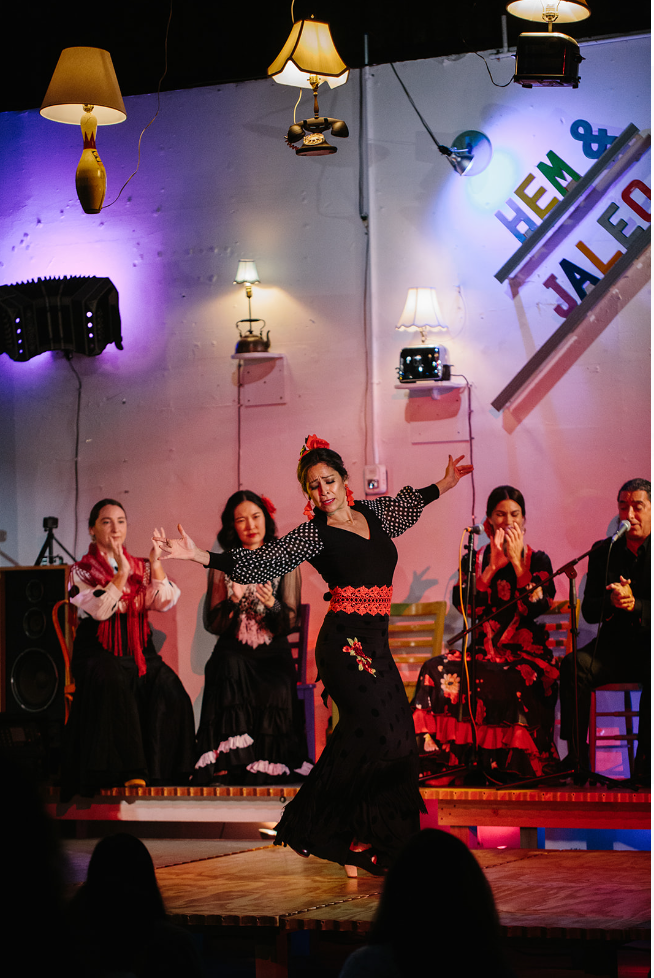
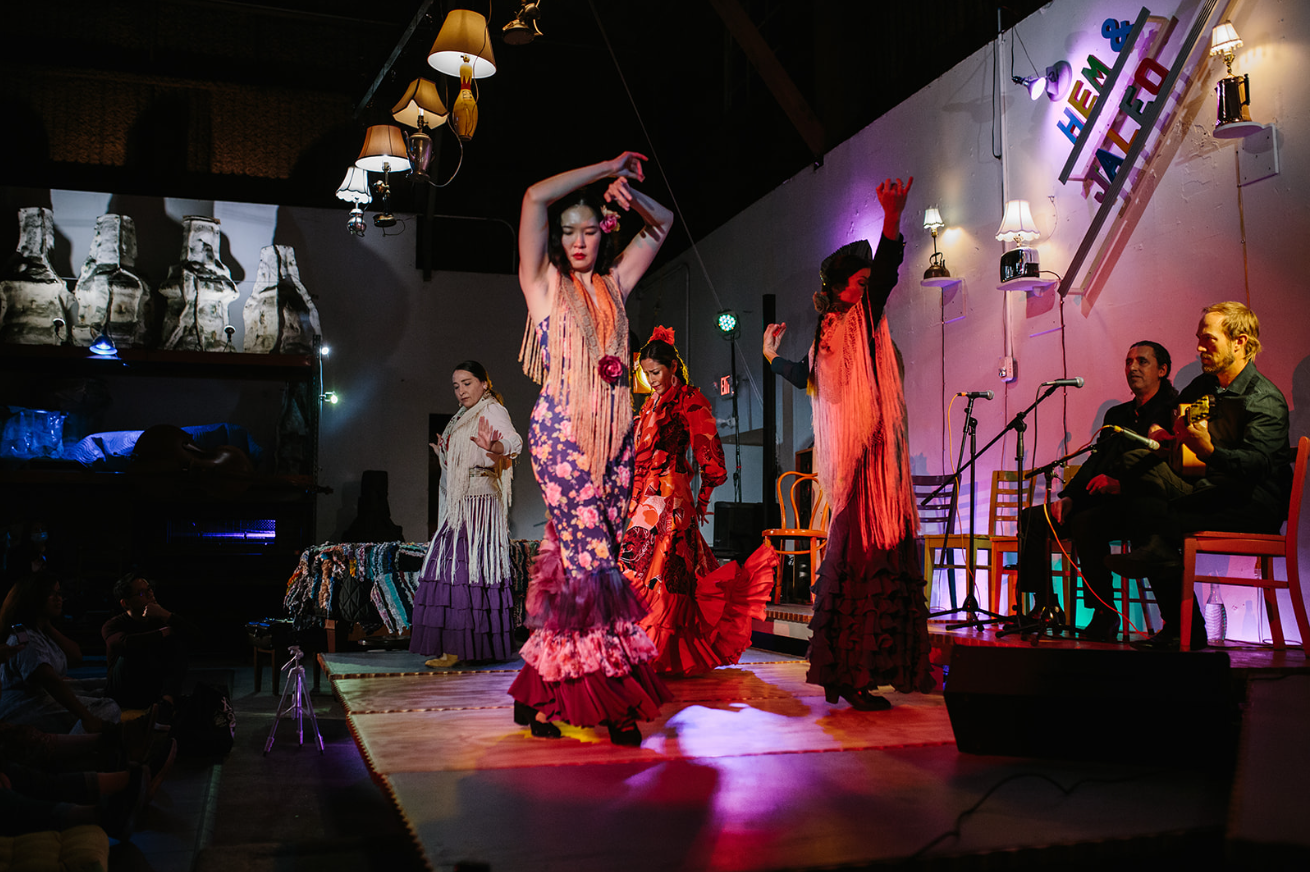
Hem + Jaleo: Upcycling and Flamenco with Fafafoom's Mira Musank

Comment

Hem + Jaleo: Upcycling and Flamenco with Fafafoom's Mira Musank

Partners: Climate Creative, Fafafoom

Place : The Dome Center for Performing Arts in Oakland, California

Focus Area: climate advocacy, STEAM

Methods: event photography, styled portraits

Impacts and results:

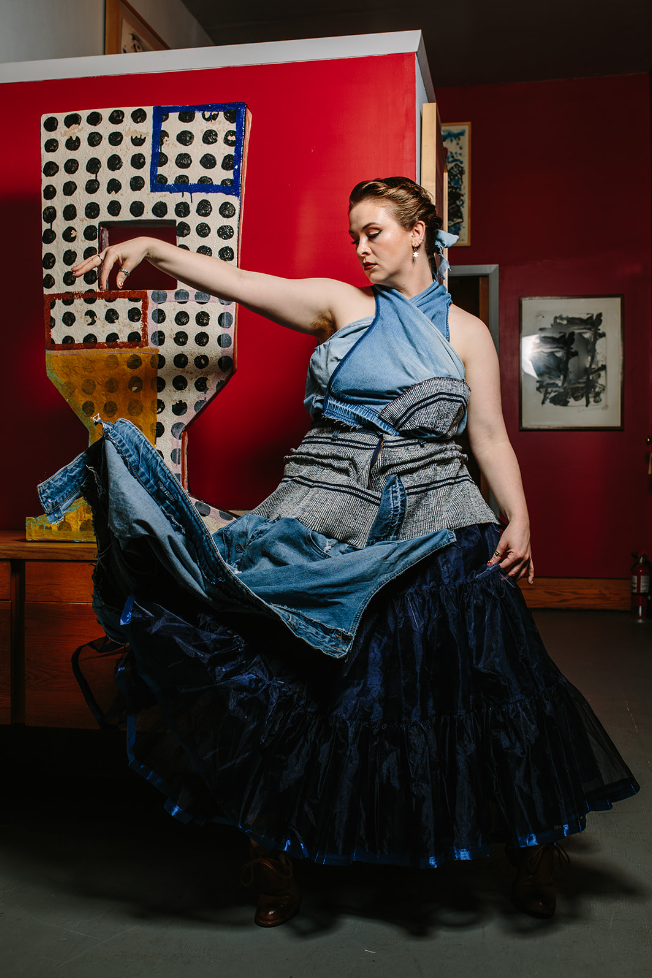
  • Visibility: Hem & Jaleo sprang from the imagination of talented textile artist Mira Musank (of Fafafoom)—a way to interact with the work she created during her residency with Climate Creative.

  • Organizational Assets: These photographs helped document Mira’s fashion show and also illustrated her beautiful vision for funding to help her project grow.

    And it worked! You can now see her gathered cloths dress on the cover of Elle—just one more step along the way of bringing Mira’s hope of repurposing textile waste to life.

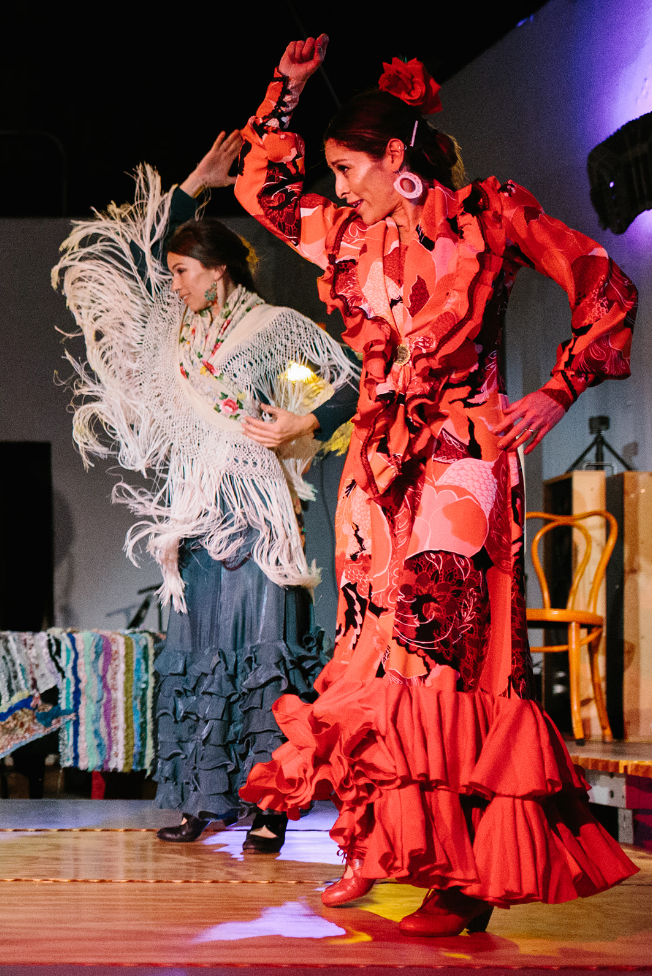
Hosted at The Dome, the event invited the audience to participate in life drawing as models moved around the space wearing Mira's creations made entirely from textile waste—pre-consumer cutouts, sewing remnants, and pre-owned clothes.

Agua Clara Flamenco then brought Mira's upcycled textile designs to life on the stage transporting a rapt audience through song and rhythm through the music of Andalusia.

Are you hatching an innovative project for the social good? Let’s work together to photo-illustrate your beautiful idea!

Comment

On Assignment: Knoxville, Tennessee

Comment

On Assignment: Knoxville, Tennessee

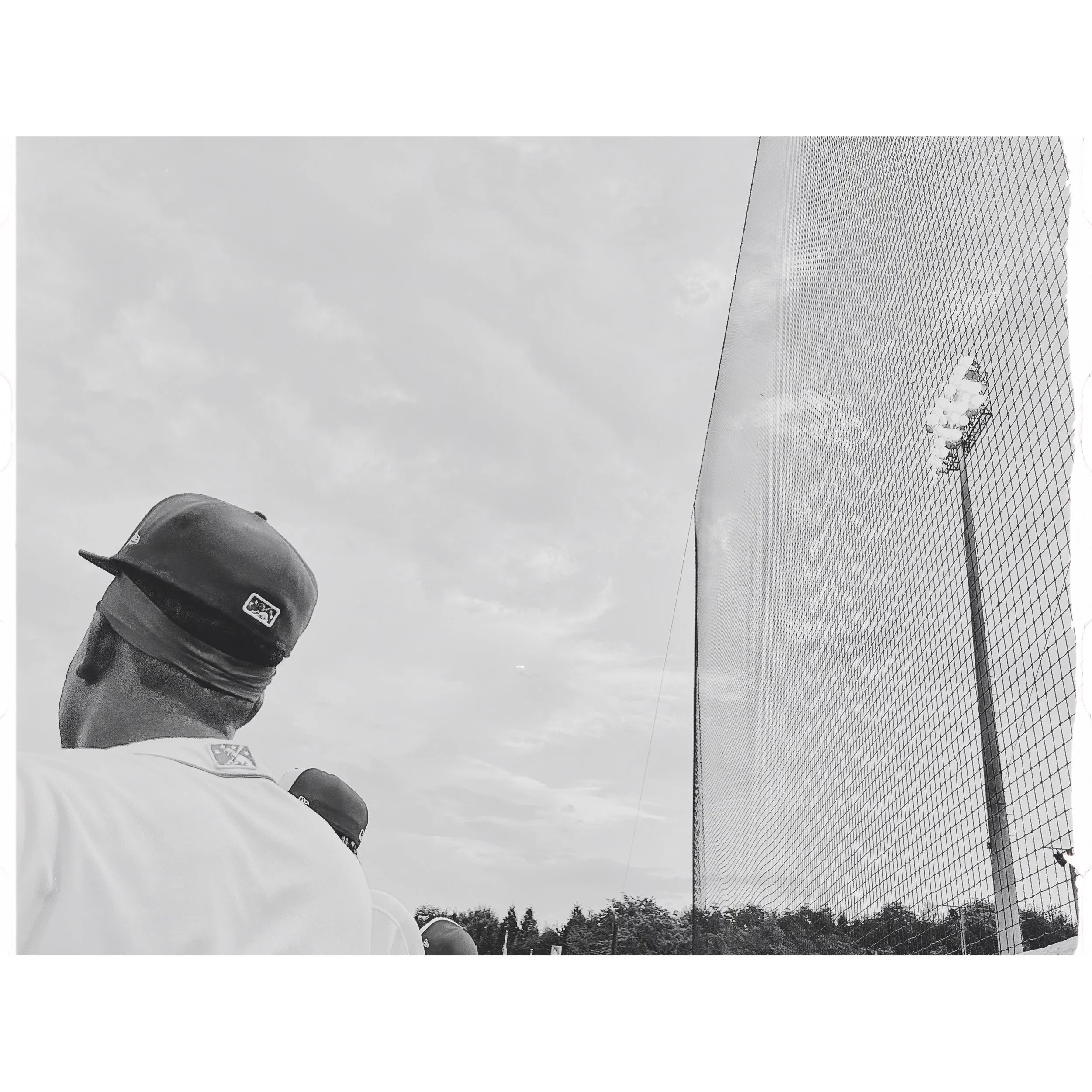
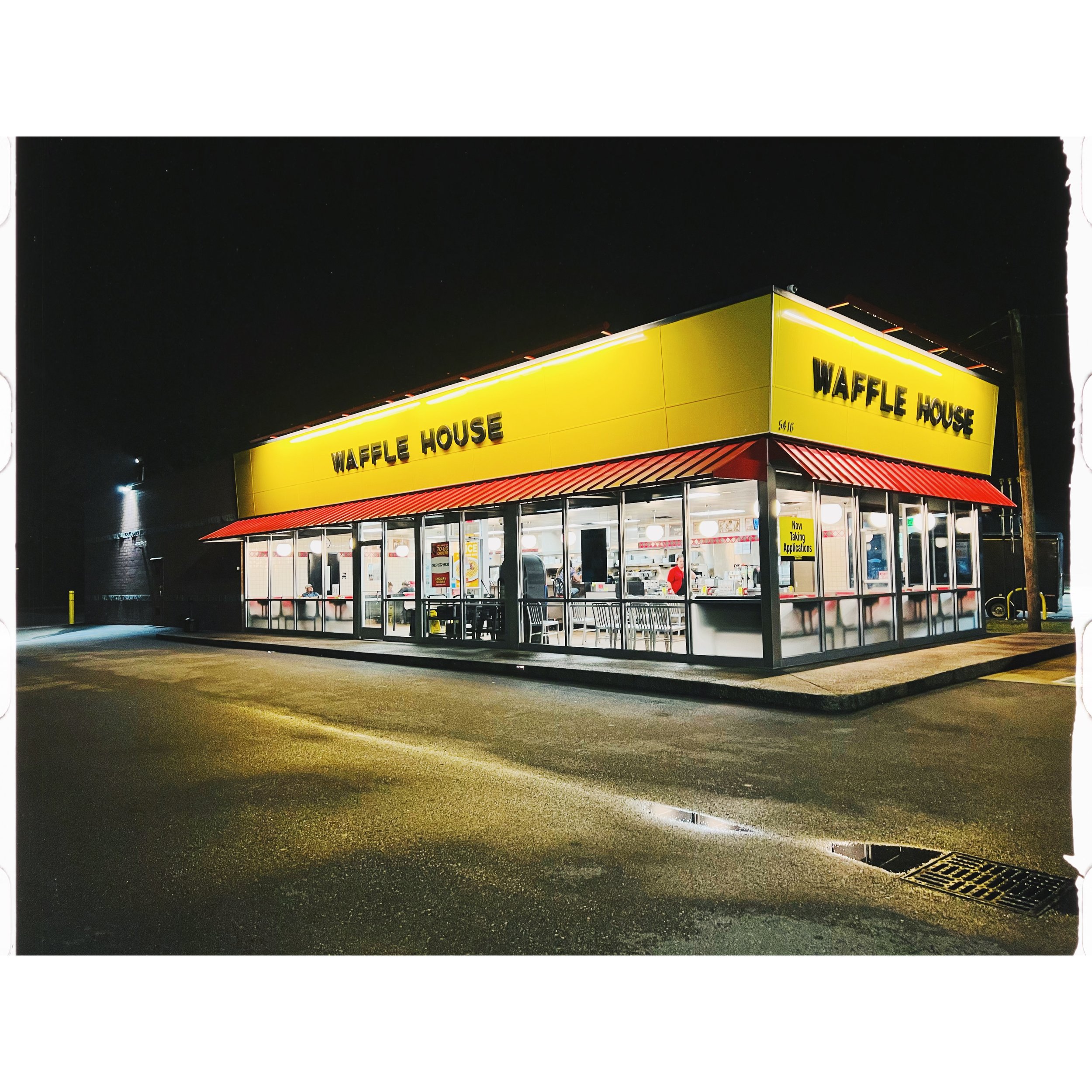
iPhone 13 | Knoxville, Tennessee

PROCESS:

We start all visual storytelling and participatory projects with a listening session—collaborative inquiry—learning what’s at stake and what stories need to be told to illustrate an organization’s work.

We establish a visual language that resonates with that work. Whether through photography, visual research, or community photo voice, we work to tell the passion at its center, what it looks like at the human scale, and what it means to the people your organization shows up for.

Our work results in a curated collection of images and insights partner organizations can use across platforms—anchored in their mission and resonant with their good work.

On location in Knoxville, Tennessee for UMASS Magazine recently, my assignment was also informed by the gorgeous issue of Mergoat Magazine I picked up in a cafe and flipped through before walking through Old Gray Cemetery. It was changed by unexpectedly heavy rain as it was prevented from falling on a carefully groomed Smokies baseball diamond. It was flavored by my producer’s nostalgia that resulted in a late-night stop at the Waffle House.

Making work that combines the sensation of rain-on-skin and the specter of invasive kudzu and the taste of a stack of late-night pancakes into a story about a very specific place might be my favorite kind of alchemy.

I’m grateful it’s also what In Good Company calls collaboration.

Images from the Knoxville sessions are embargoed until the articles publish; images included here are iPhone BTS

Are you looking to tell the story of a place? Let’s work together!

Comment

The Body + The Land: Bioregional Belonging at the Albany Bulb

Comment

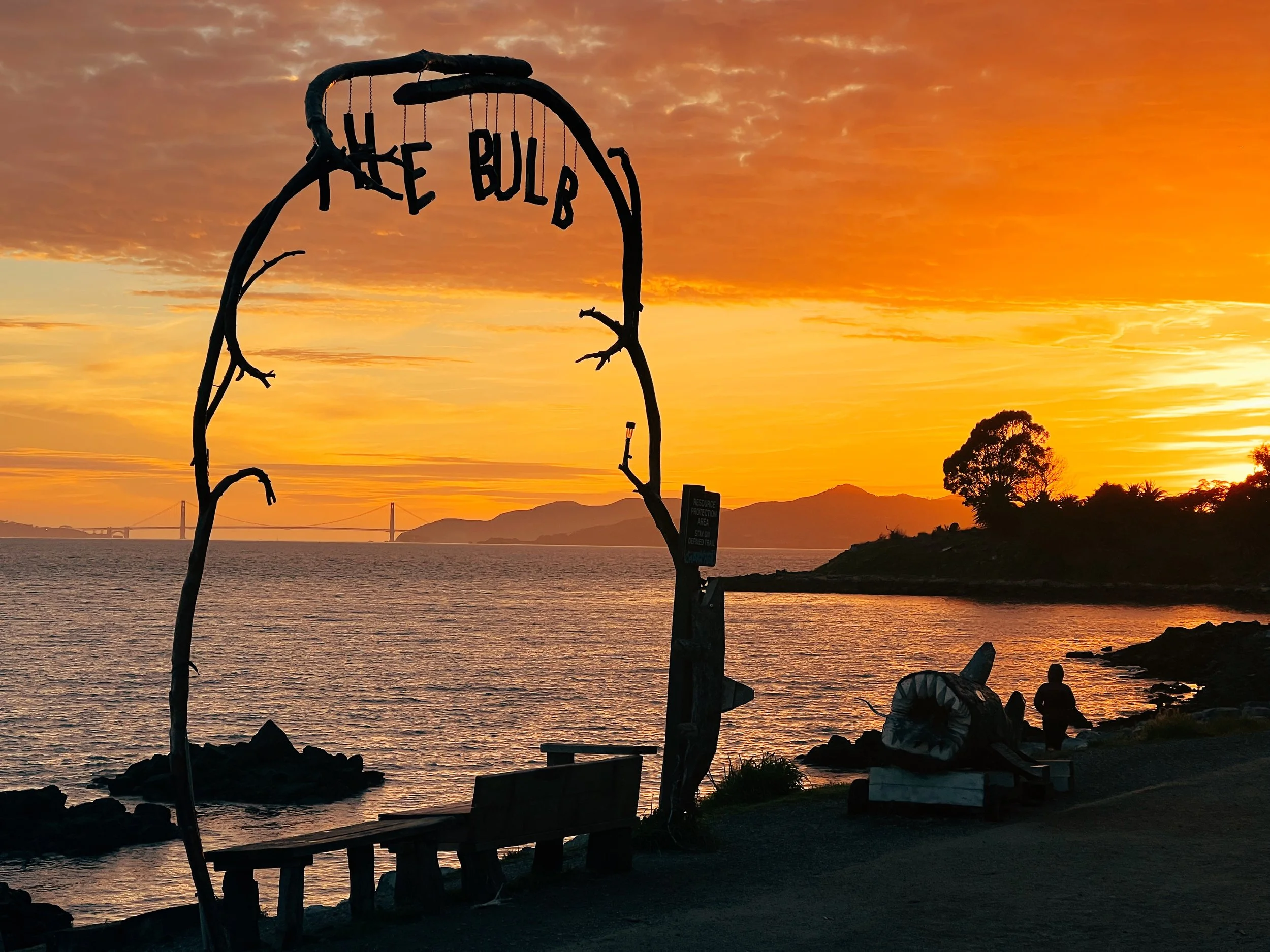
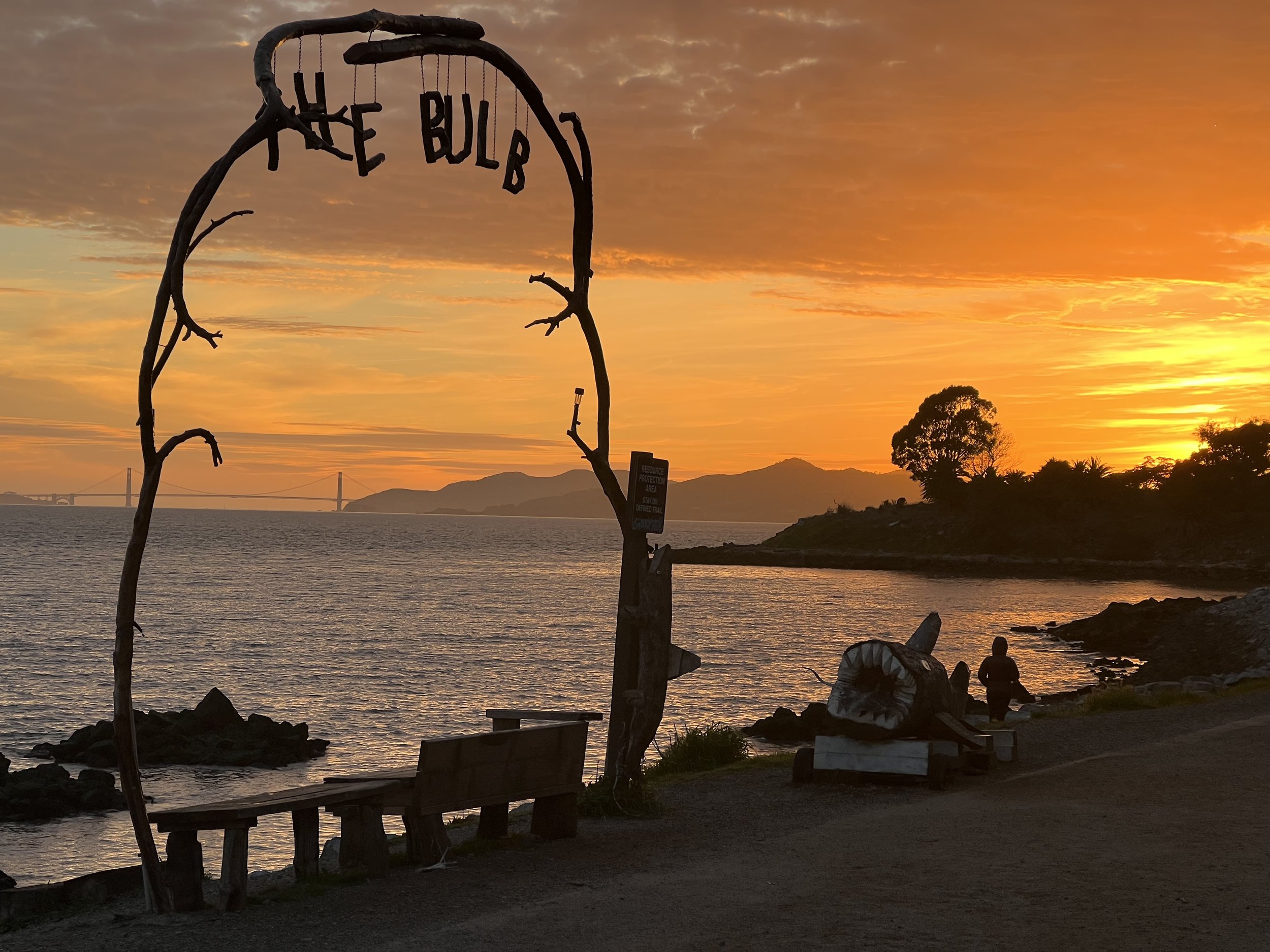
The Body + The Land: Bioregional Belonging at the Albany Bulb

This spring, in partnership with Invisible International and Climate Creative, we kicked off a collaborative community-based research project exploring how were we live shapes our health. The Body + The Land project recognizes the connections between people, animals, plants, and a shared environment.*

The project hopes to surface and gather community knowledge that can be used by local organizations to shape local health initiatives. Over the next year we will be exploring how Bay Area residents see how where they live—the hills they walk daily, the commutes they undertake, the atmospheric rivers they weather, the gardens they grow—is shaping their health.

For the research project kick-off I developed a site-specific, kid-friendly photo walk to facilitate new encounters—with pollinators! with the bright superbloom!—between visitors and the Albany Bulb.

The Body

+ The Land Photo Walk

an invitation to explore the Albany Bulb

The kick-off party was an opportunity chance to gather input and engage the Bulb communally, but we will be working all year long, inviting community members to call in to leave their observations at (510) 519-1506. If you are local to the Bay Area, you can participate, too. Call in to leave your observations about how where we live is shaping your health.

Comment

billy mark: 37.45°N  122.17°W

Comment

billy mark: 37.45°N 122.17°W

Offering was born from what artist Billy Mark had begun calling, in phone conversations between Detroit and San Francisco, the low-down surveillance blues.

Our collaboration eventually bloomed into an interactive storytelling project and a book, but it started as a series of questions Billy was asking about what it felt like to be traced and tracked and monitored and to have what is known about us monetized by, among others, Google.

Composer Jon Armstrong, and I joined Billy for this collaboration, using a soundwalk app to map seven of Jon's compositions to seven sites around Google's headquarters in Mountainview, Ca.

Billy and I spent a day traveling clockwise around the Googleplex perimeter, seeing and being seen, in a kind of contemplative migration.

We moved from site to site, in the grooves of older rhythms of contemplation: 5 am, 7 am, 9 am, noon, 3 pm, 5 pm, and finally 7 pm.

Using an iPhone and a handheld speaker, Jon’s compositions were triggered whenever we arrived at a new site on the soundmap. Billy’s performance in each specific location wove together the sounds, our inquiry, and specific place we occupied.

For me, working with Billy and Jon to create Offering meant asking what photographs might become in conversation with music and movement.

What if I embraced the limitations of a particularly dark hour and let the representation go subtle and unfocused?

What if the combination of music and movement made me look away from Billy and toward something else?

What if—as happened during the making of the imagery at 3pm, I made images while being misconstrued by bystanders as a woman photographing a body she had found floating in Kaiser Creek instead of attempting to call out for help rescuing it?

Offering, is an story of our particular encounter, and the soundmap remains live—an invitation, as Billy says—for anyone who gets overcome by those low-down surveillance blues.

Comment