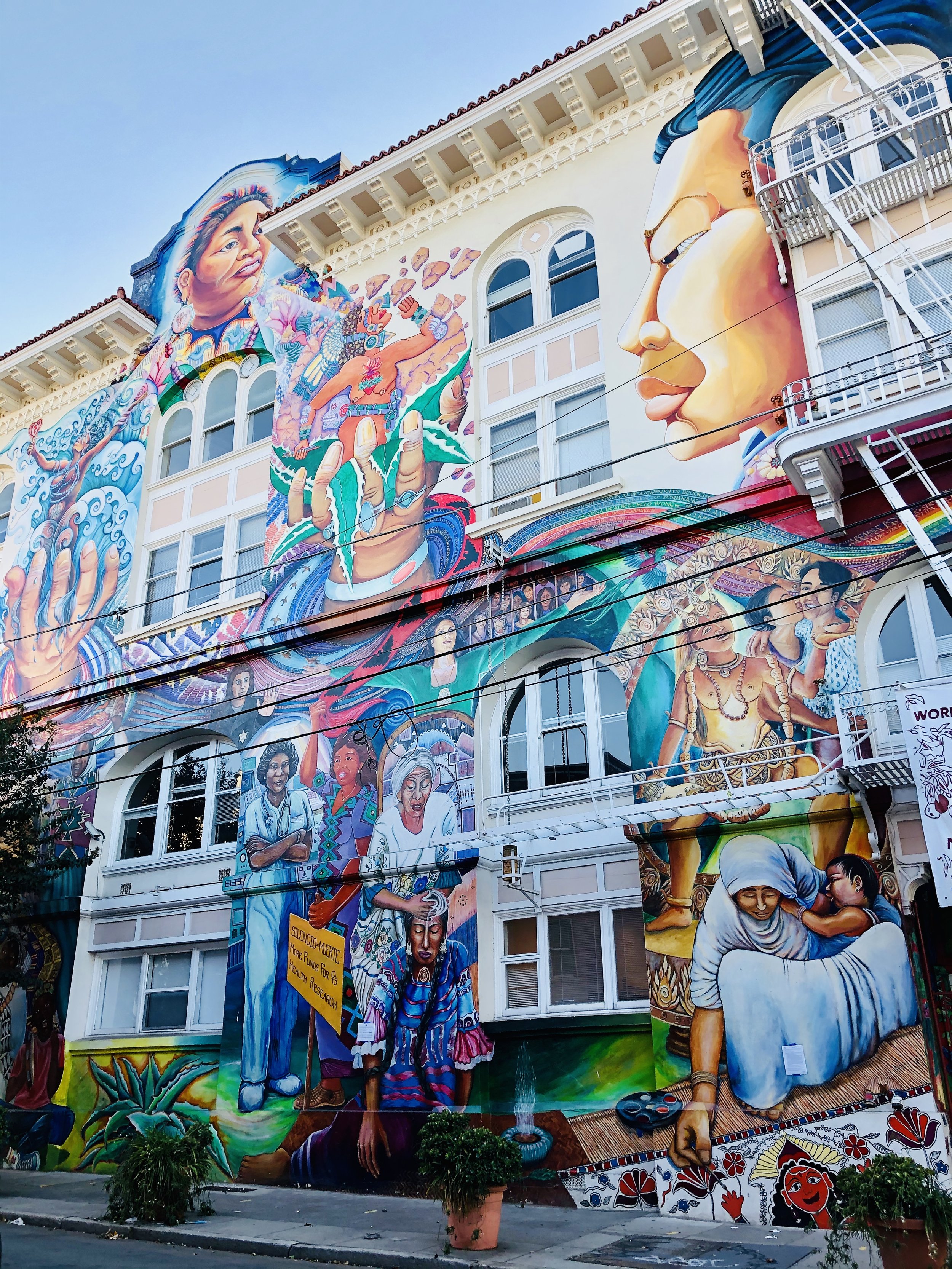
HILANDO RESISTENCIA (Threading Resistance)
An Exhibition of Participatory Migration Storytelling at San Francisco Women’s Building (Fall 2025) and currently at the Rockridge Branch of the Oakland Public Library (Spring 2026).
Overview
In collaboration with artist and migration scholar, Valentina Ocampo and mentor, Cinthia Carvajal, we shaped the development and public presentation of Hilando Resistencia (Threading Resistance), an oral history and textile art exhibition at the San Francisco Women’s Building.
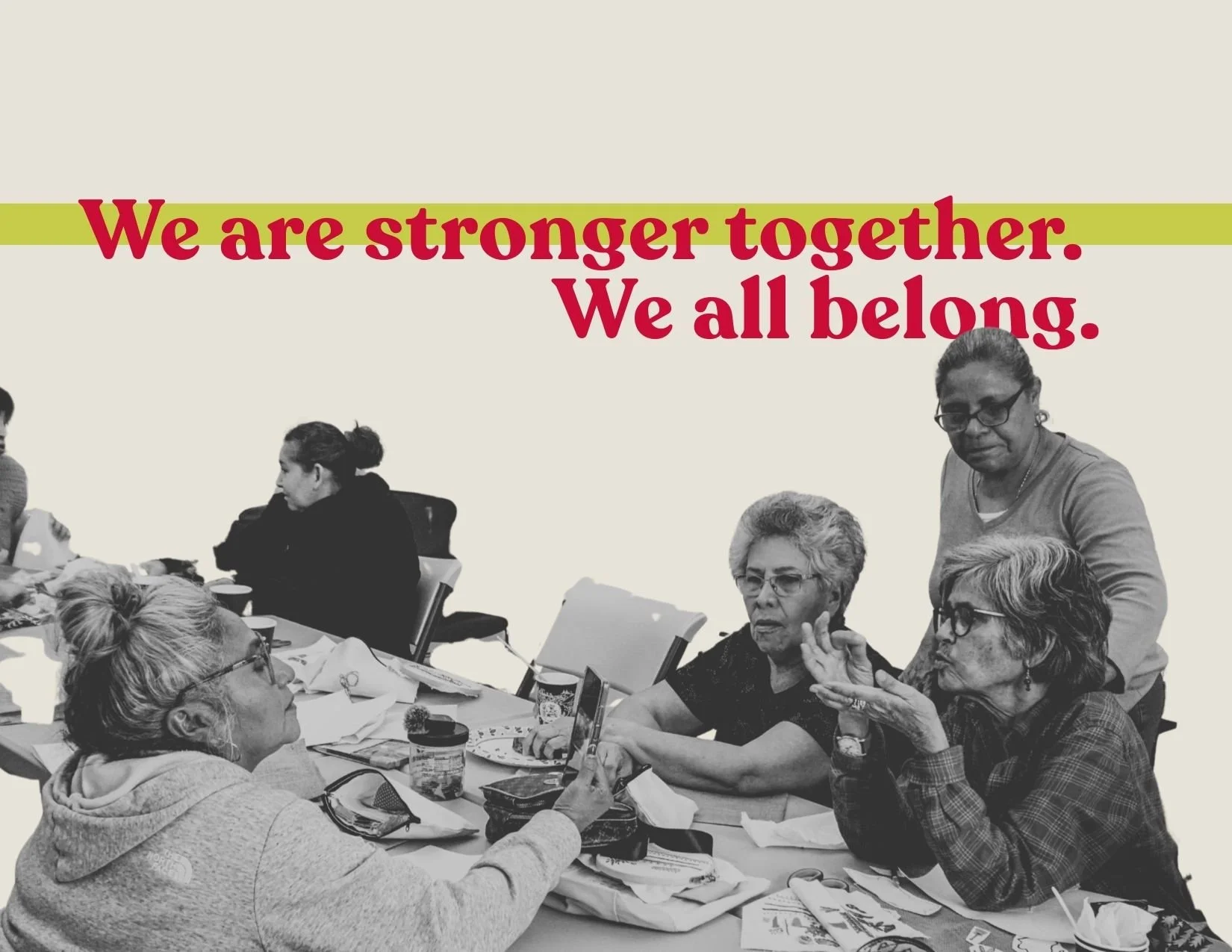
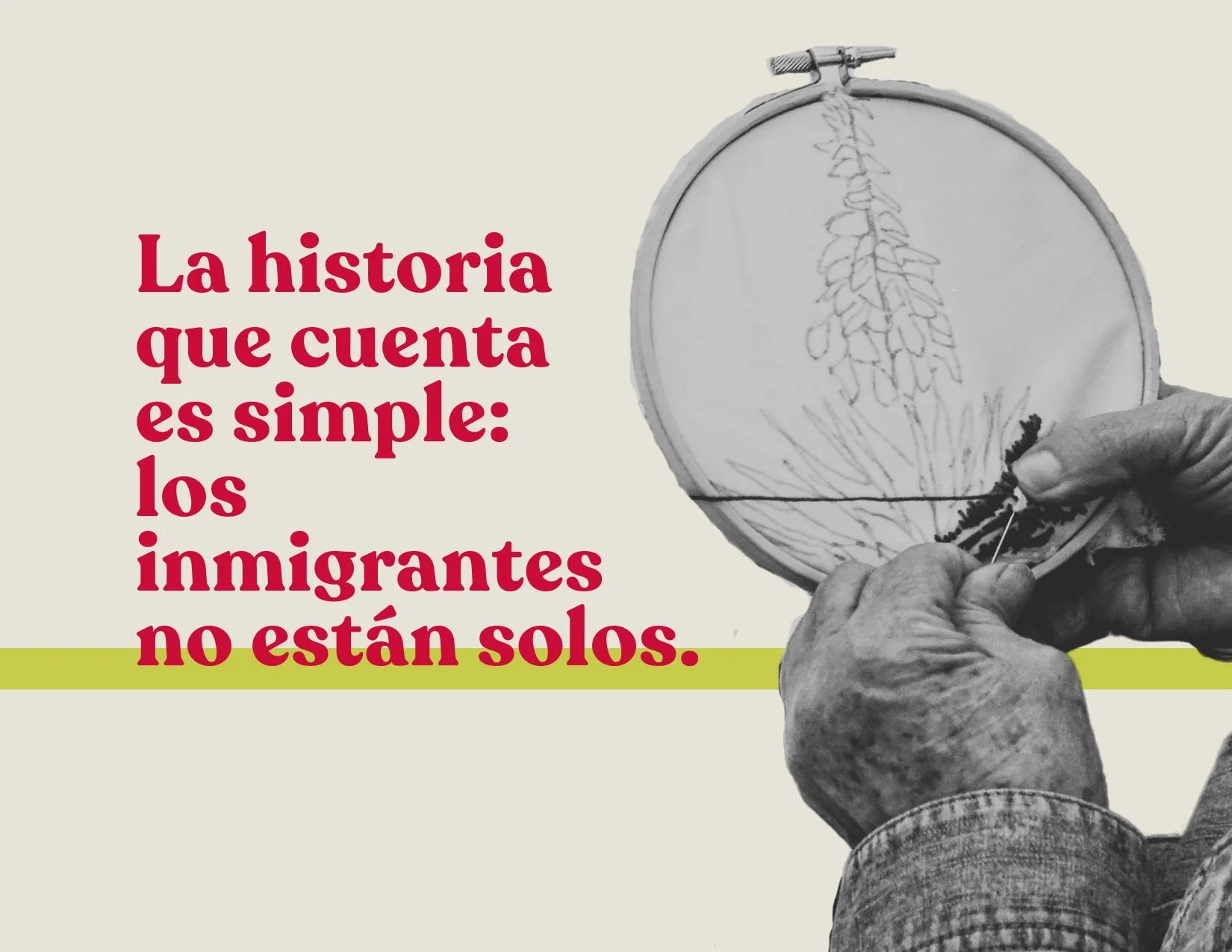
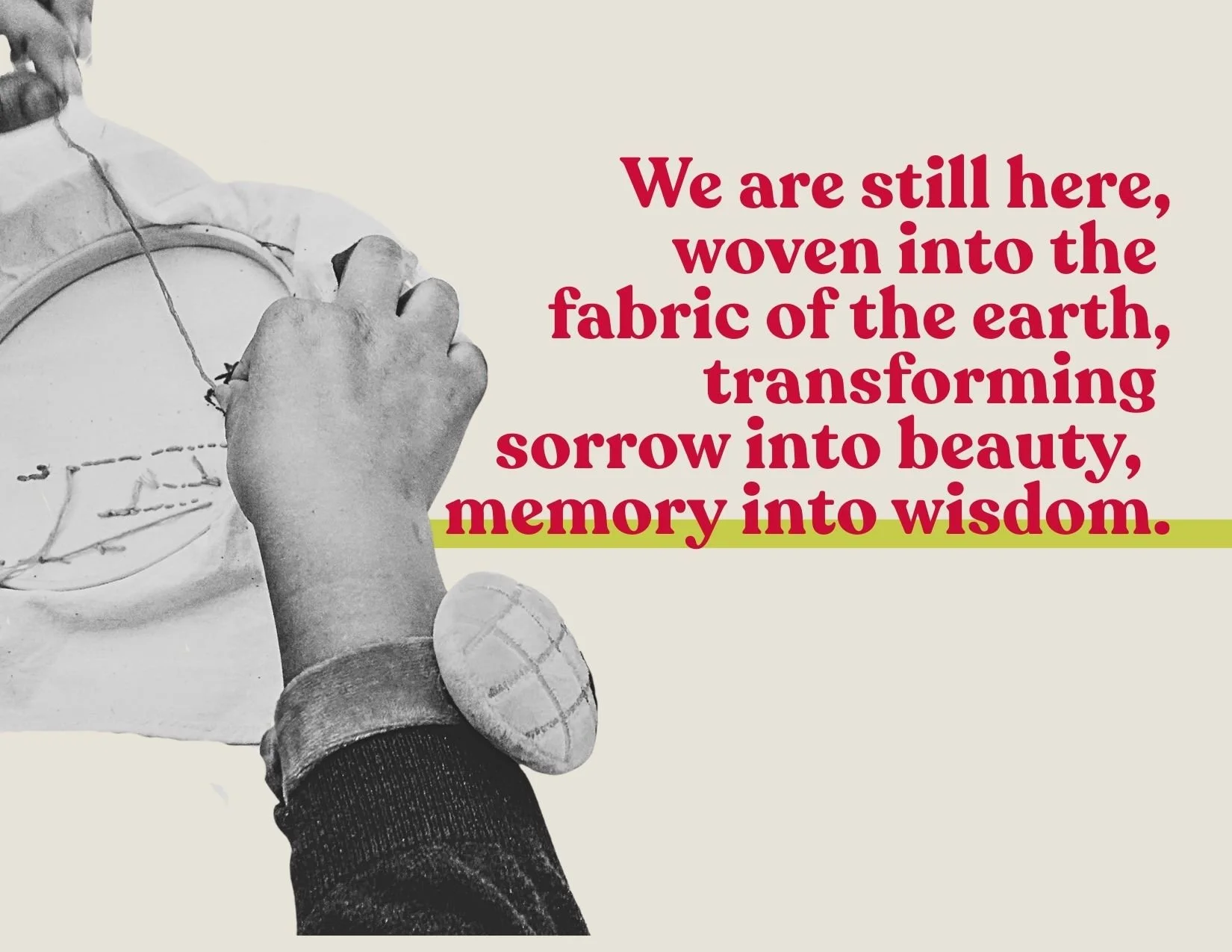
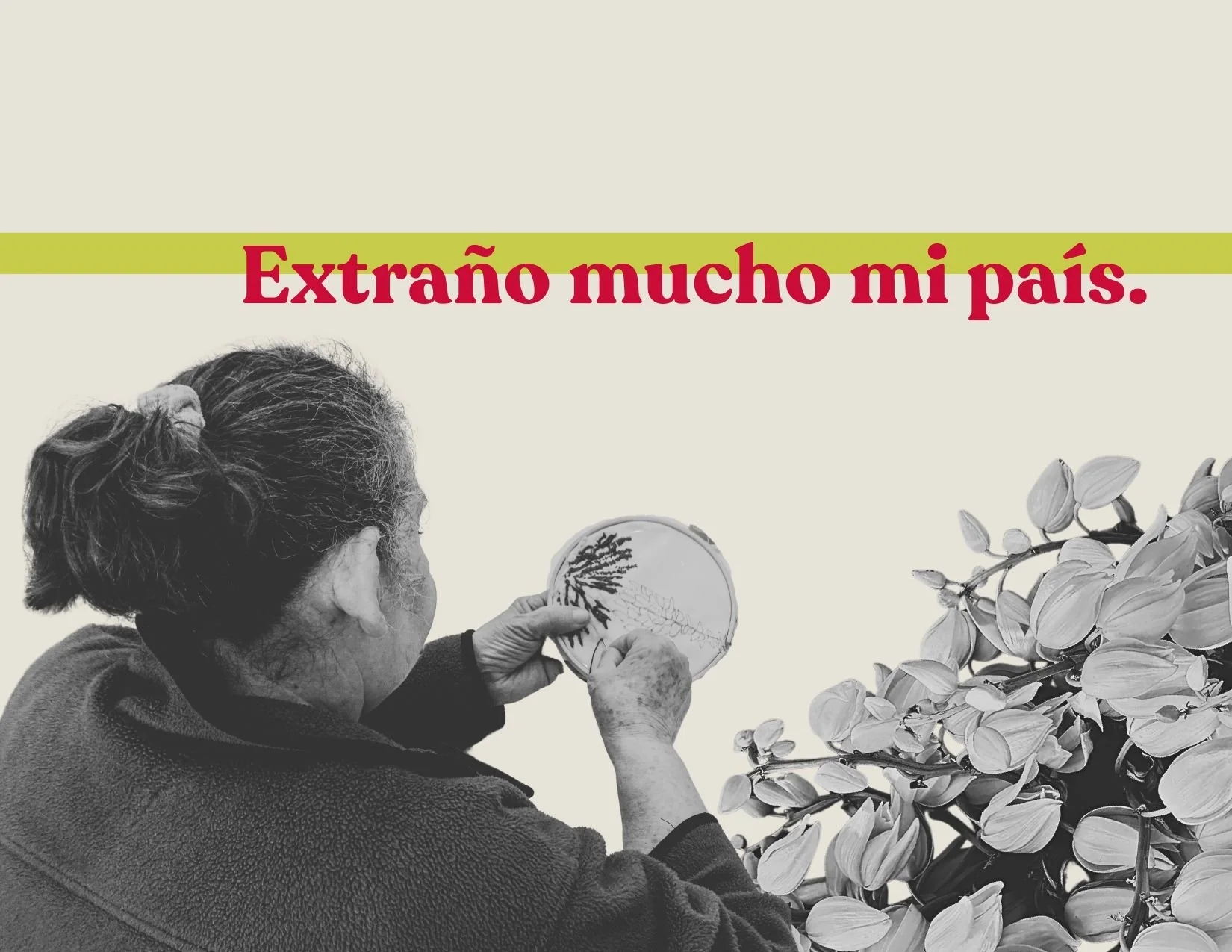
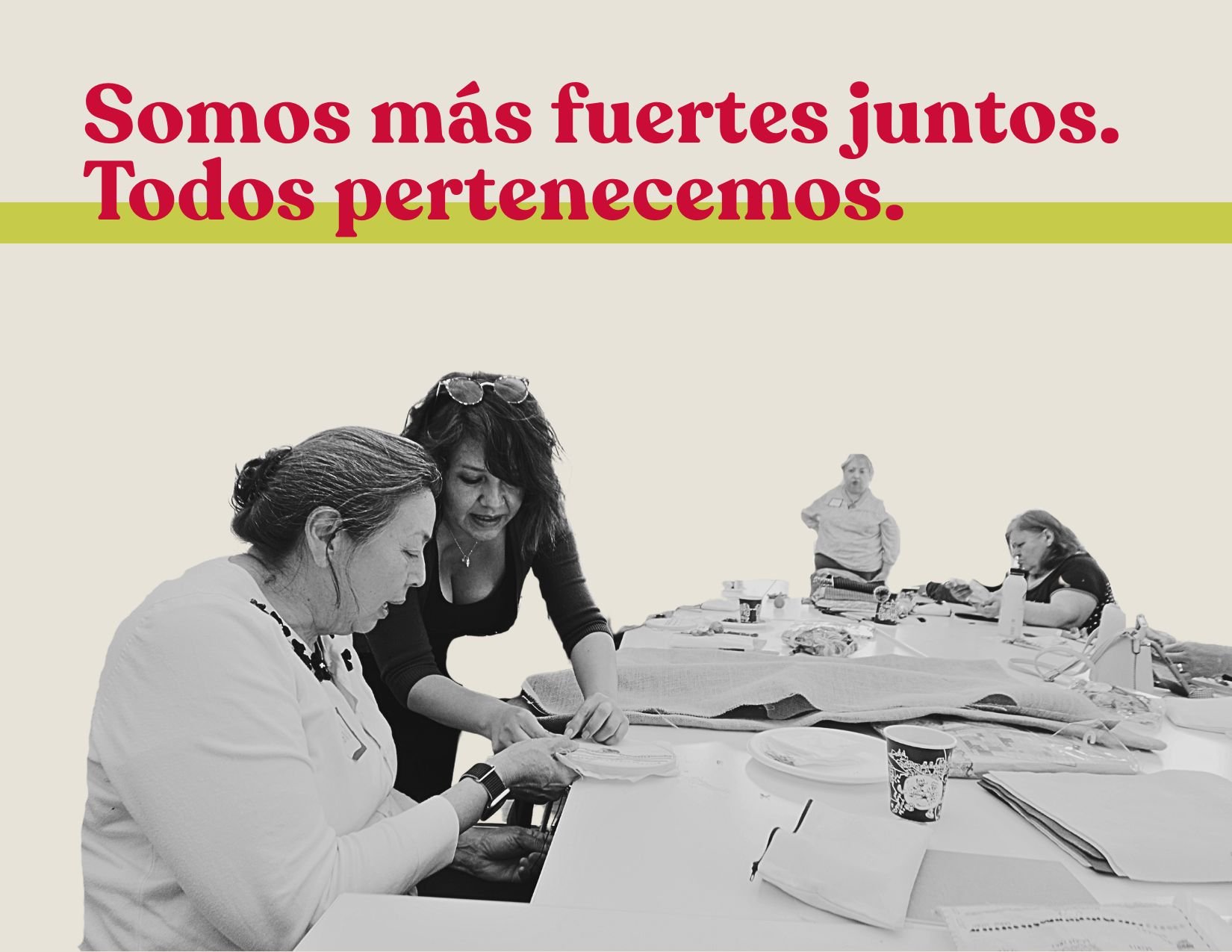
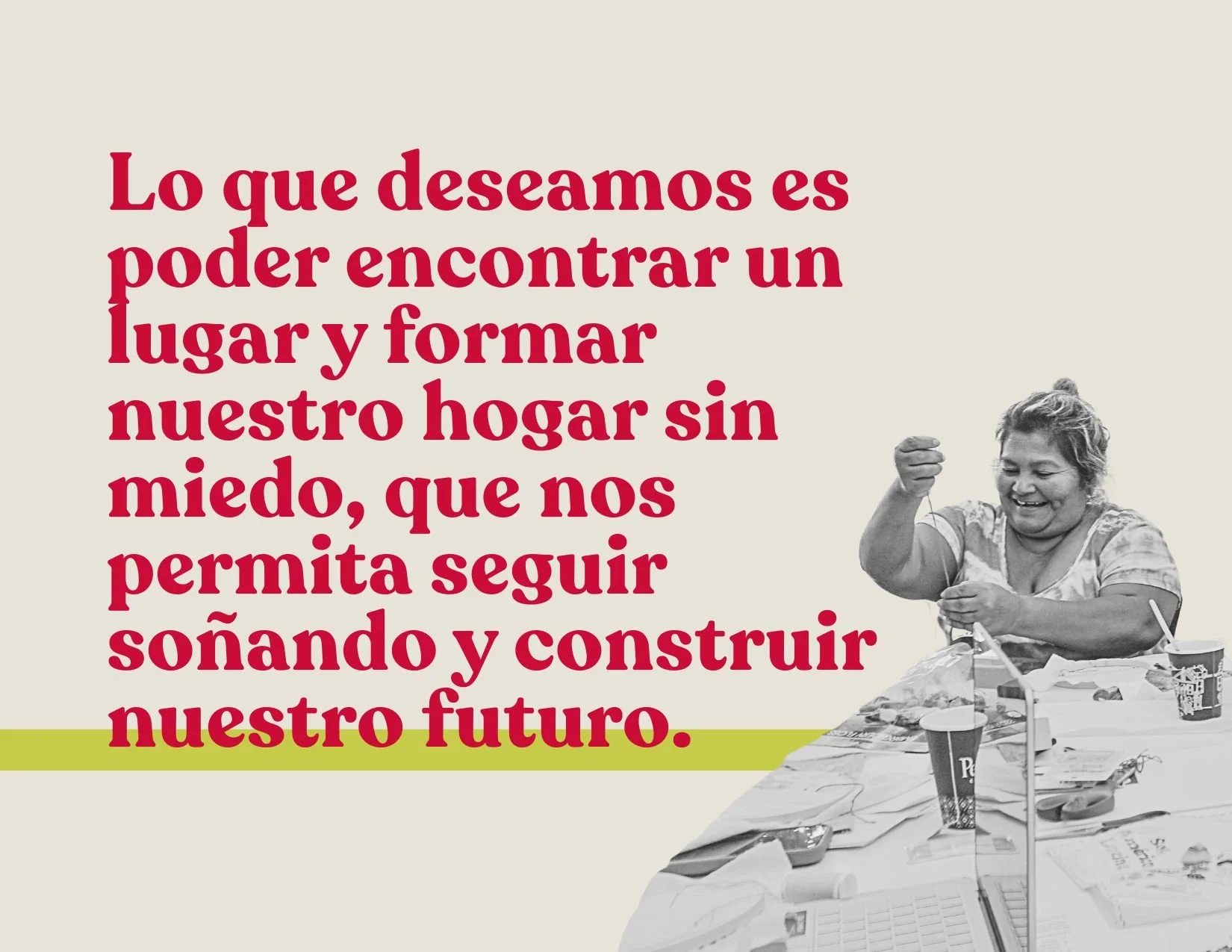
The project emerged from embroidery circles where migrant women gathered regularly to stitch, share food, and exchange stories about migration, work, family, and survival. These gatherings became a space of collective storytelling, where needlework carried memory, testimony, and humor.
We worked with Ocampo and Carvajal to transpose this deeply relational project and photographs made along the way into a public exhibition—shaping both the visual narrative of the installation and the communications materials that allowed broader audiences to encounter the work.
The Communication Challenge
Public narratives about migration often reduce people to statistics or political abstractions. The women participating in the embroidery circles were participating in a shared practice where their many experiences could be told and processed through craft, memory, humor, and community.
Our hope in creating an exhibit of the work was to present this work publicly in a way that:
• preserved the authorship of the participants
• respected the intimacy of the storytelling process
• invited the public into relationship with the themes
• translated a community-based art practice into a compelling and accessible narrative
In Good Company’s Role
Working alongside Valentina Ocampo, we helped shape the exhibition’s visual storytelling and public-facing communications. Our contributions endeavored to present the gathered stories so that they could be encountered with clarity, context, and resonance.
Exhibition Narrative and Design Development
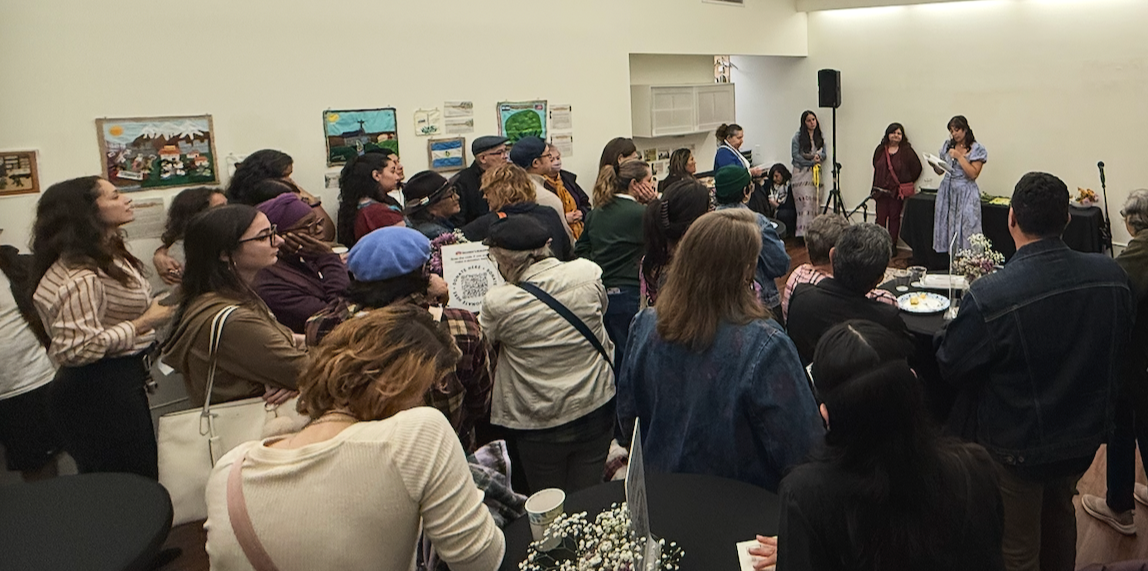
We collaborated on the conceptual and spatial development of the installation, helping shape how visitors would move through the exhibition and encounter the embroidered works and stories. We worked to refine how individual pieces were grouped, framed, and contextualized so that the exhibition read as a collective narrative rather than a series of isolated artifacts.
Visual Documentation
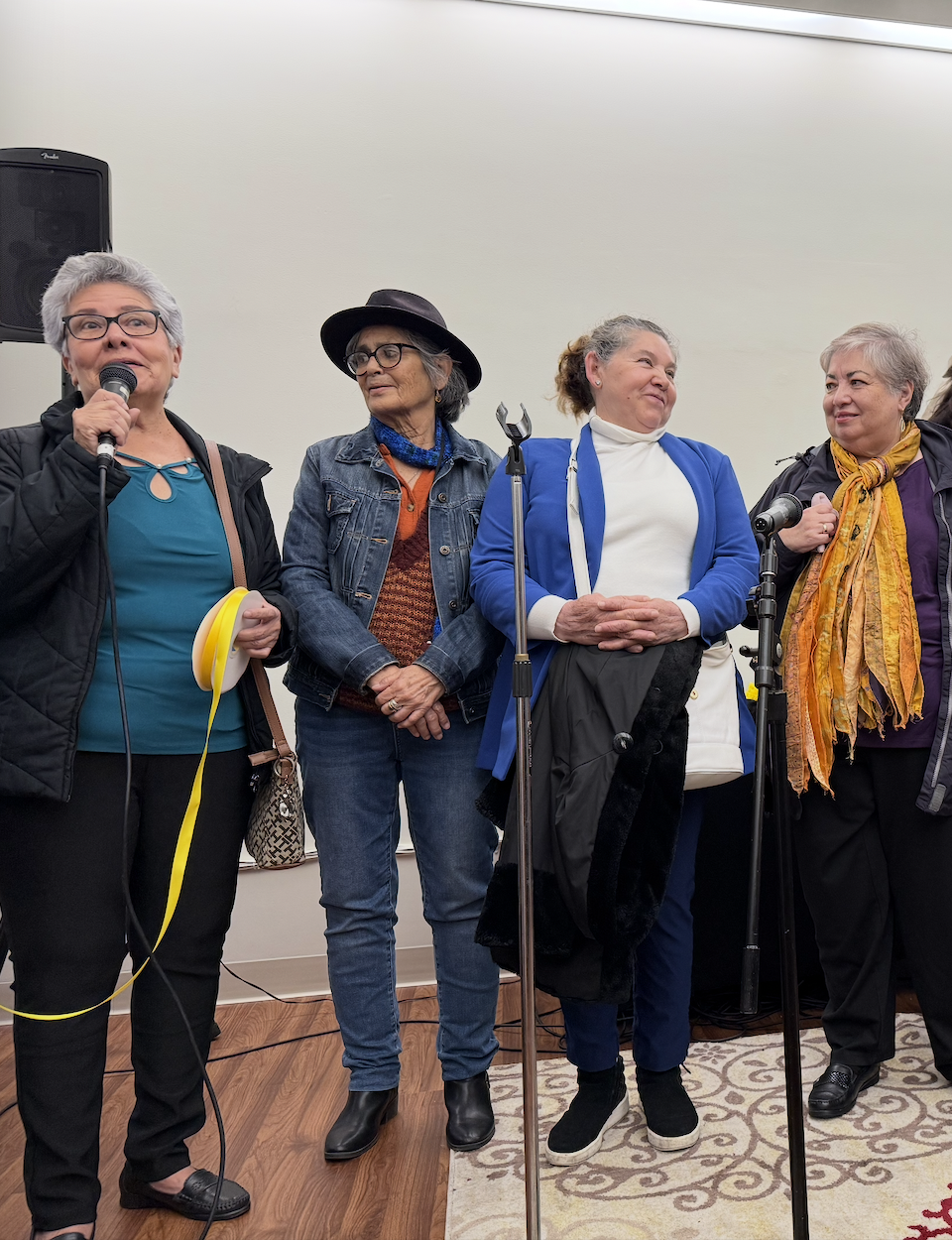
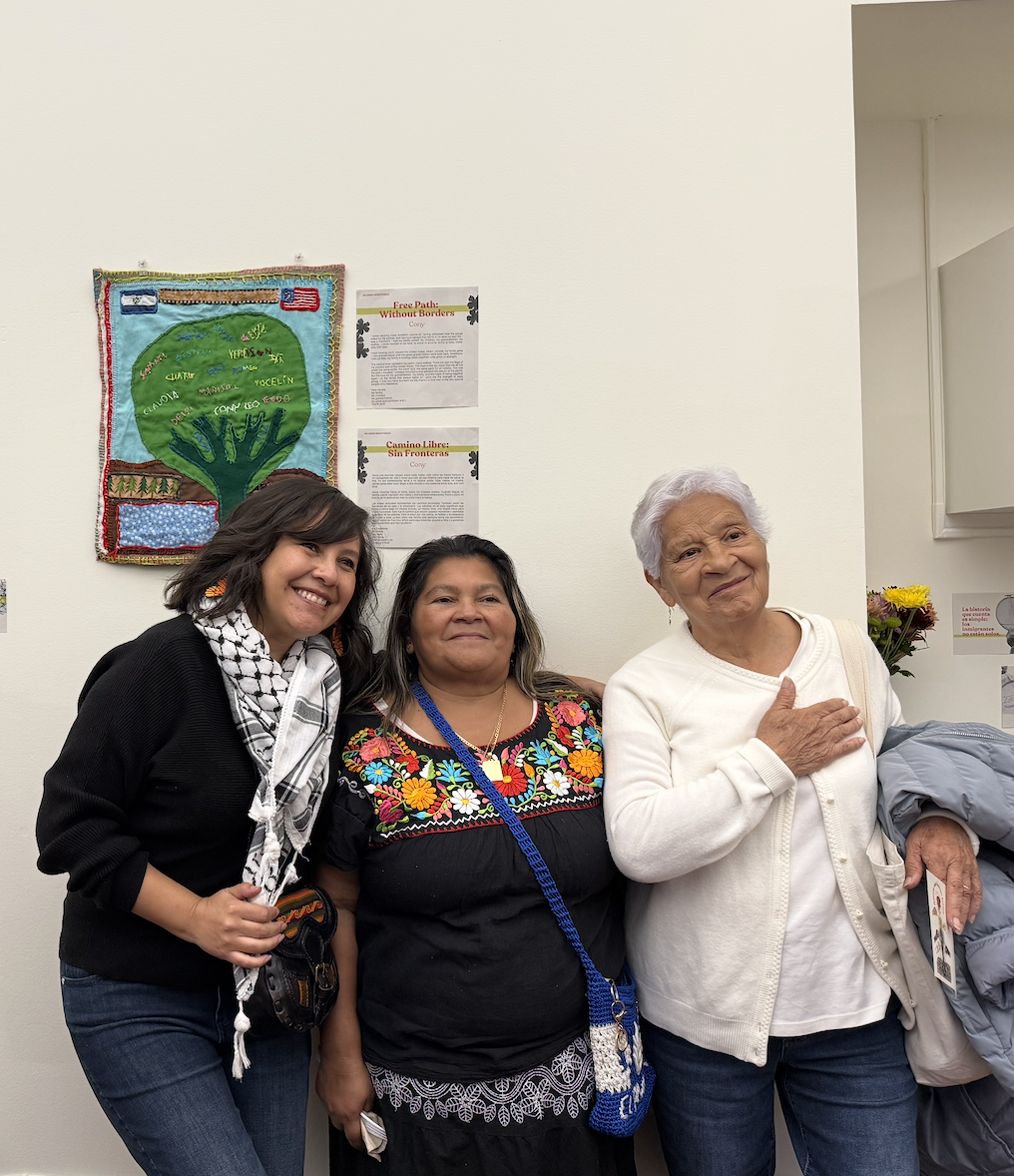
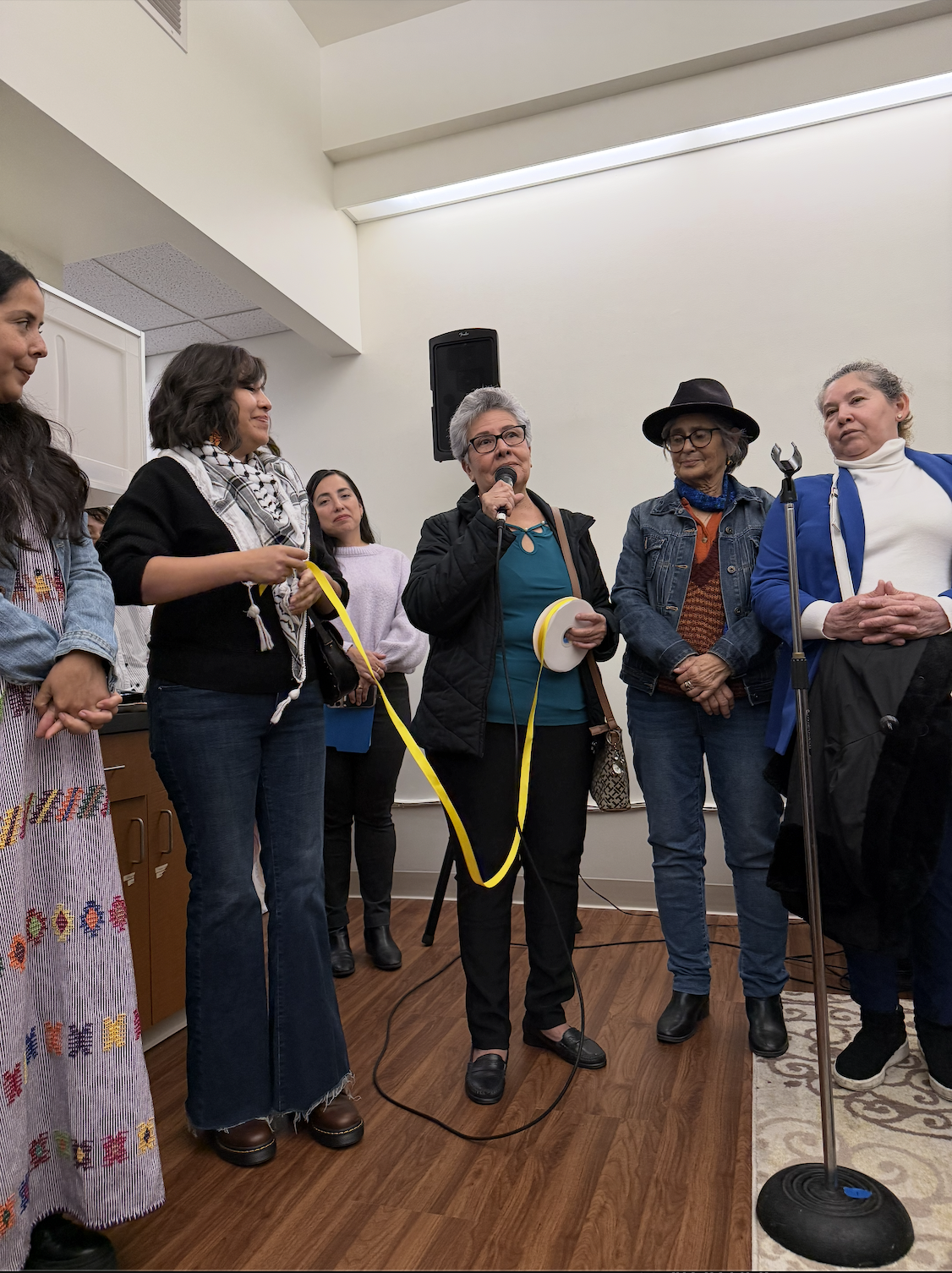
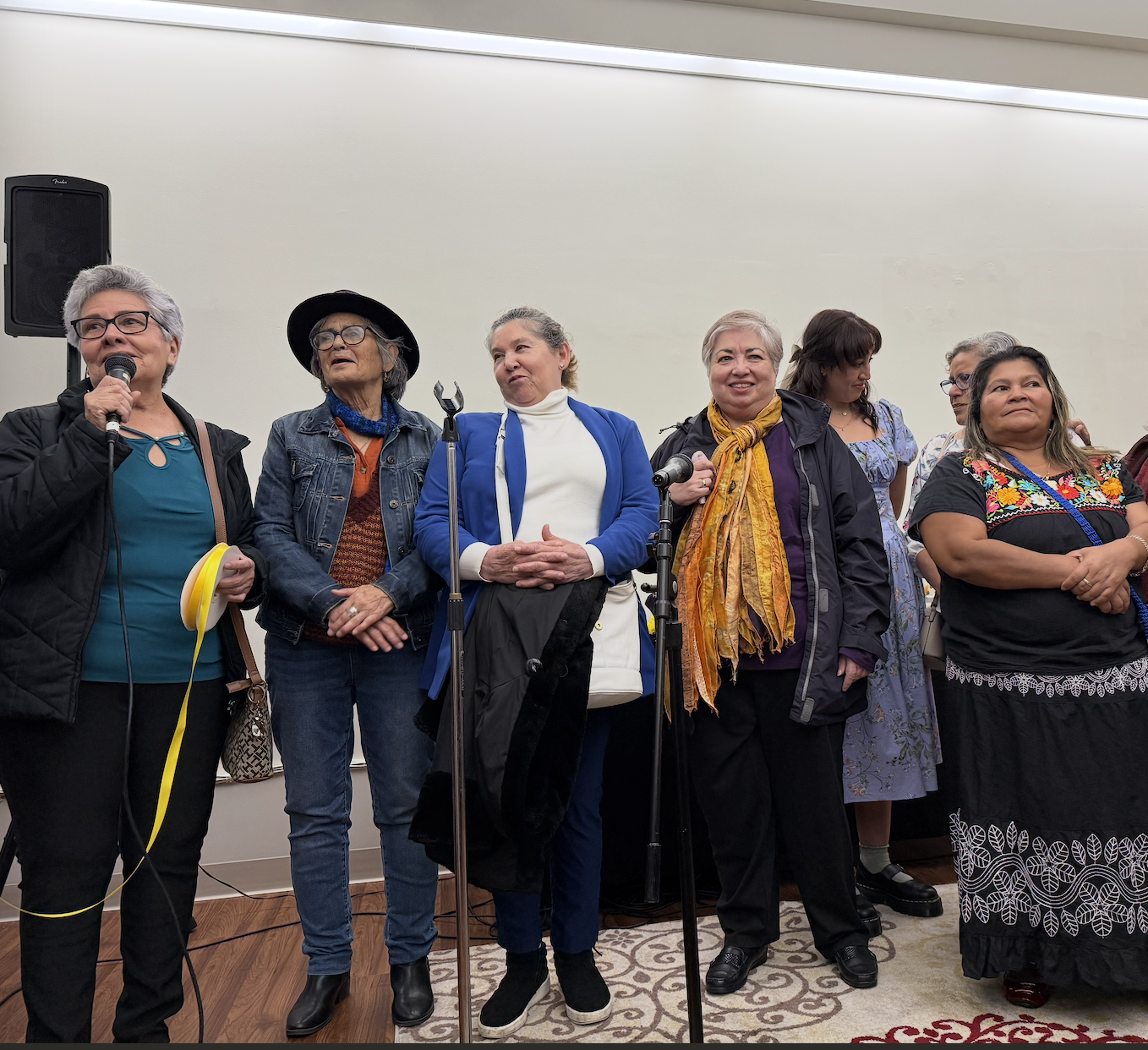
We photographed the event, creating a visual record of the public engagement and the women’s experience of having their work exhibited. The resulting photographs capture the finished textiles and also the gestures, relationships, and shared labor that produced them—revealing the exhibition as the outcome of a living community practice.
Public Communications Materials
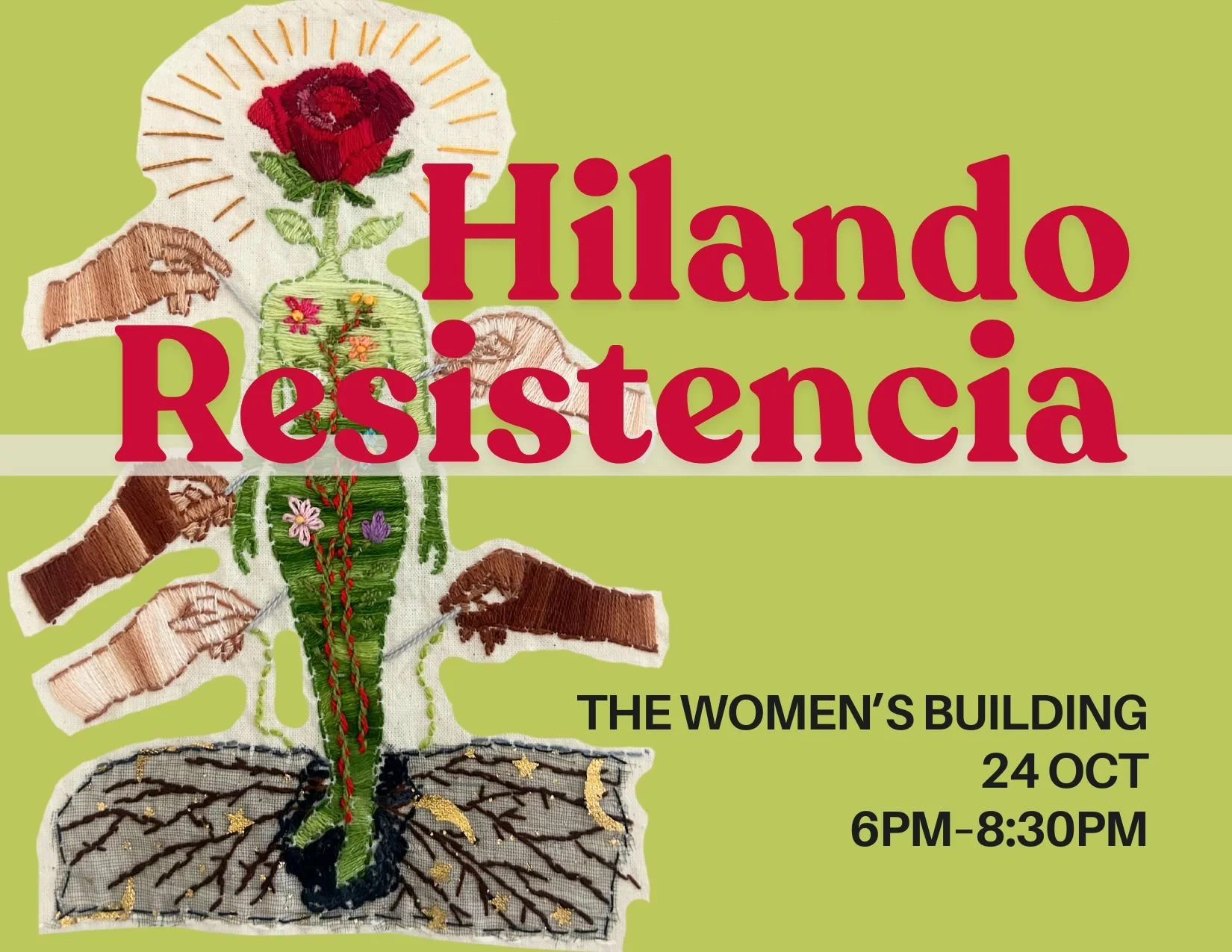
To support the exhibition’s visibility and accessibility, we designed and produced a set of complementary communications materials, including:
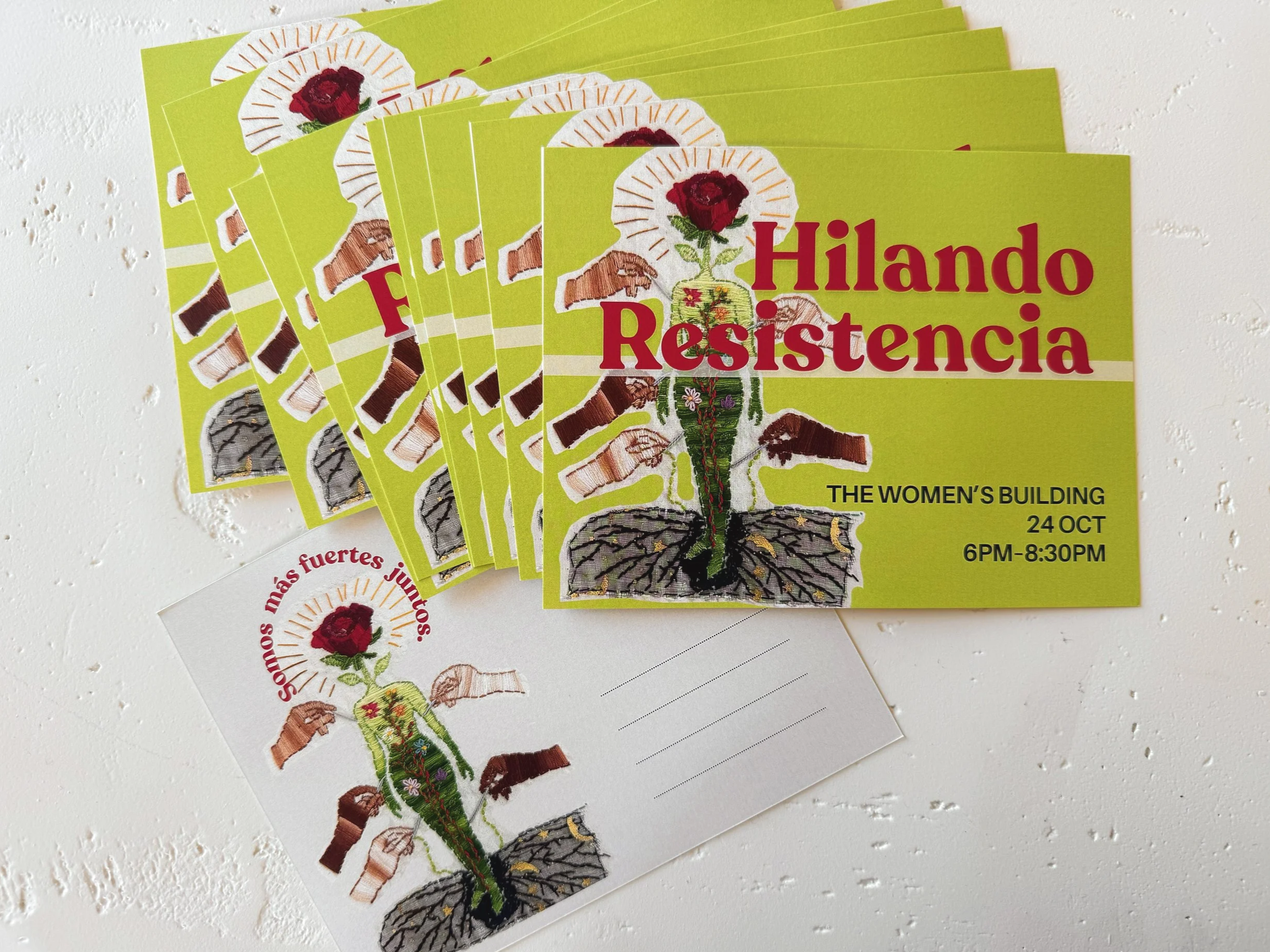
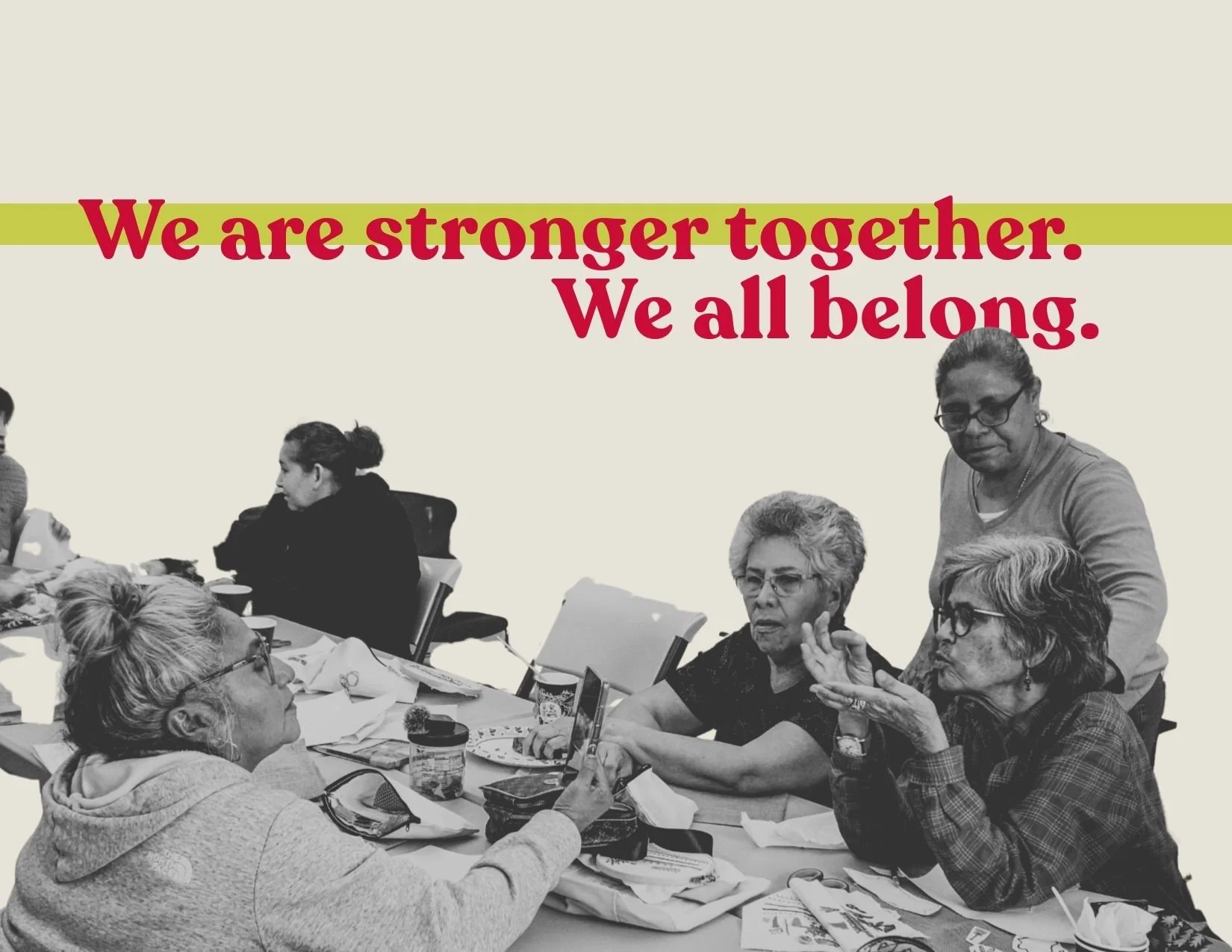
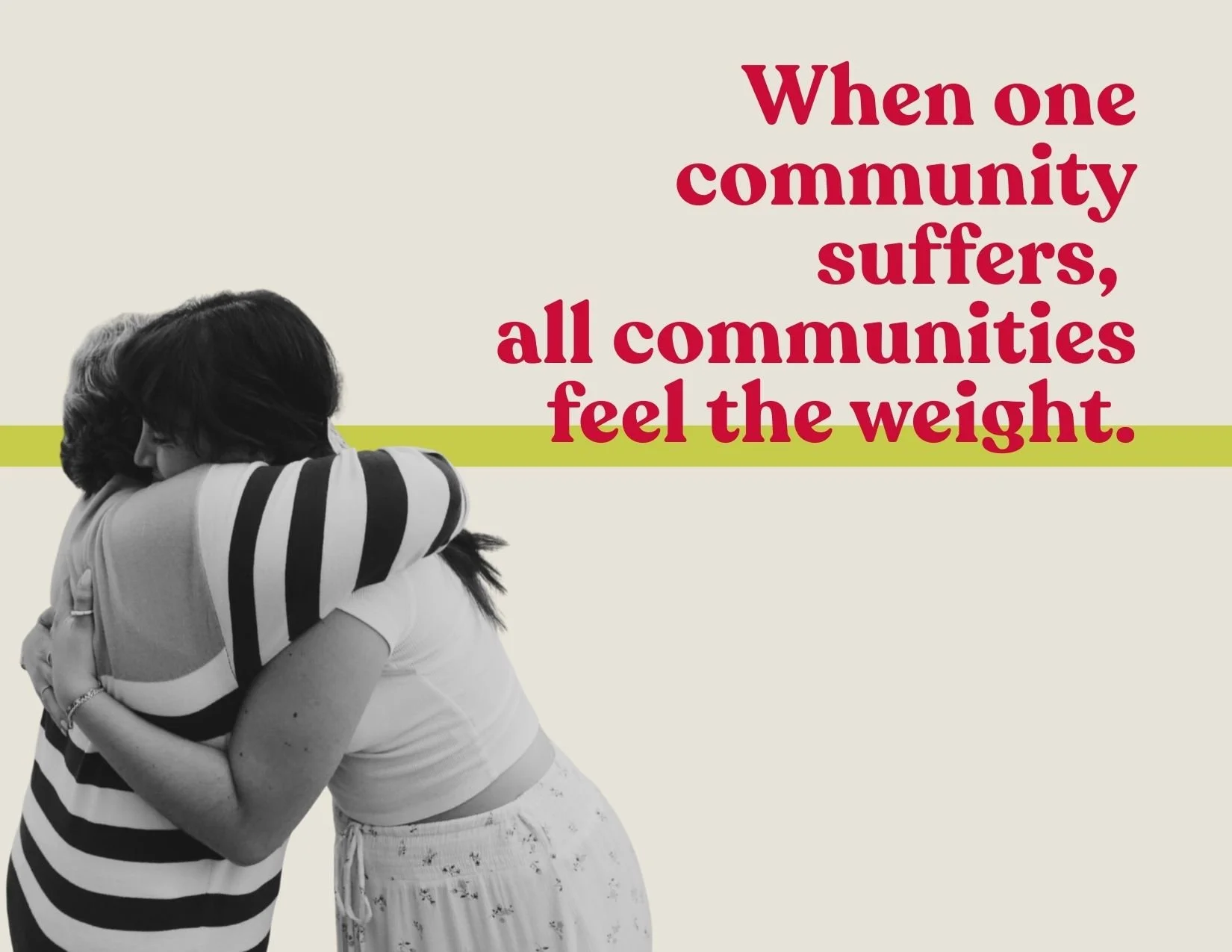
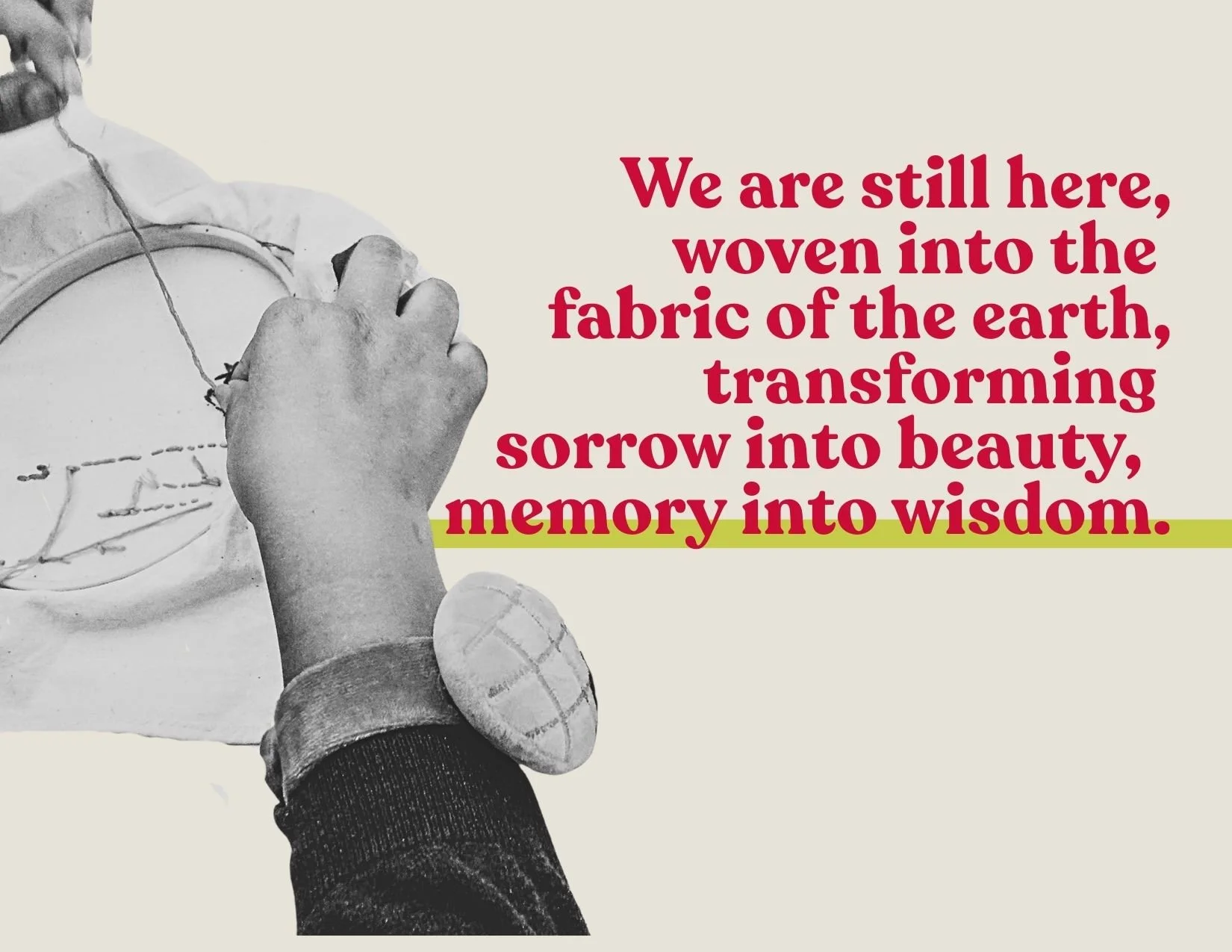
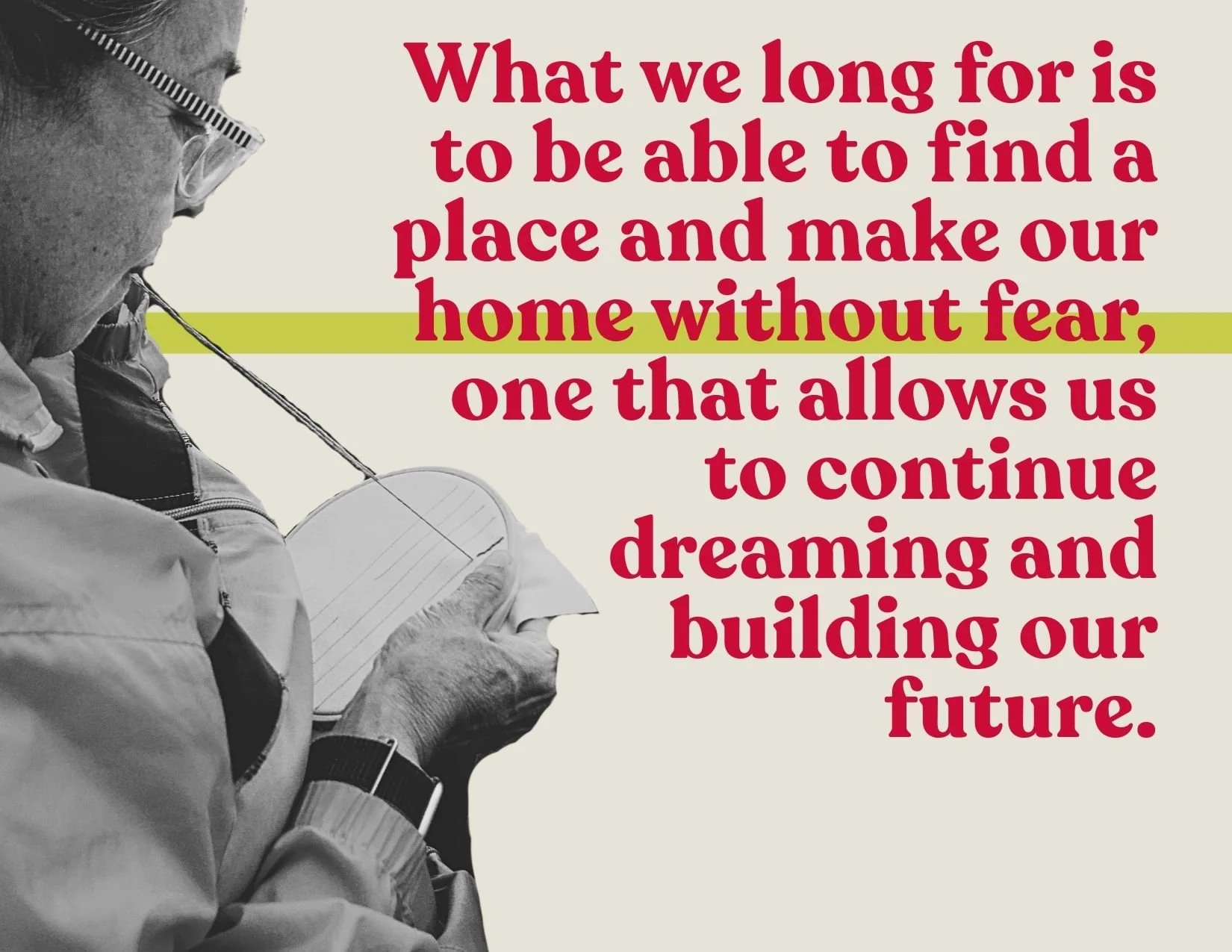
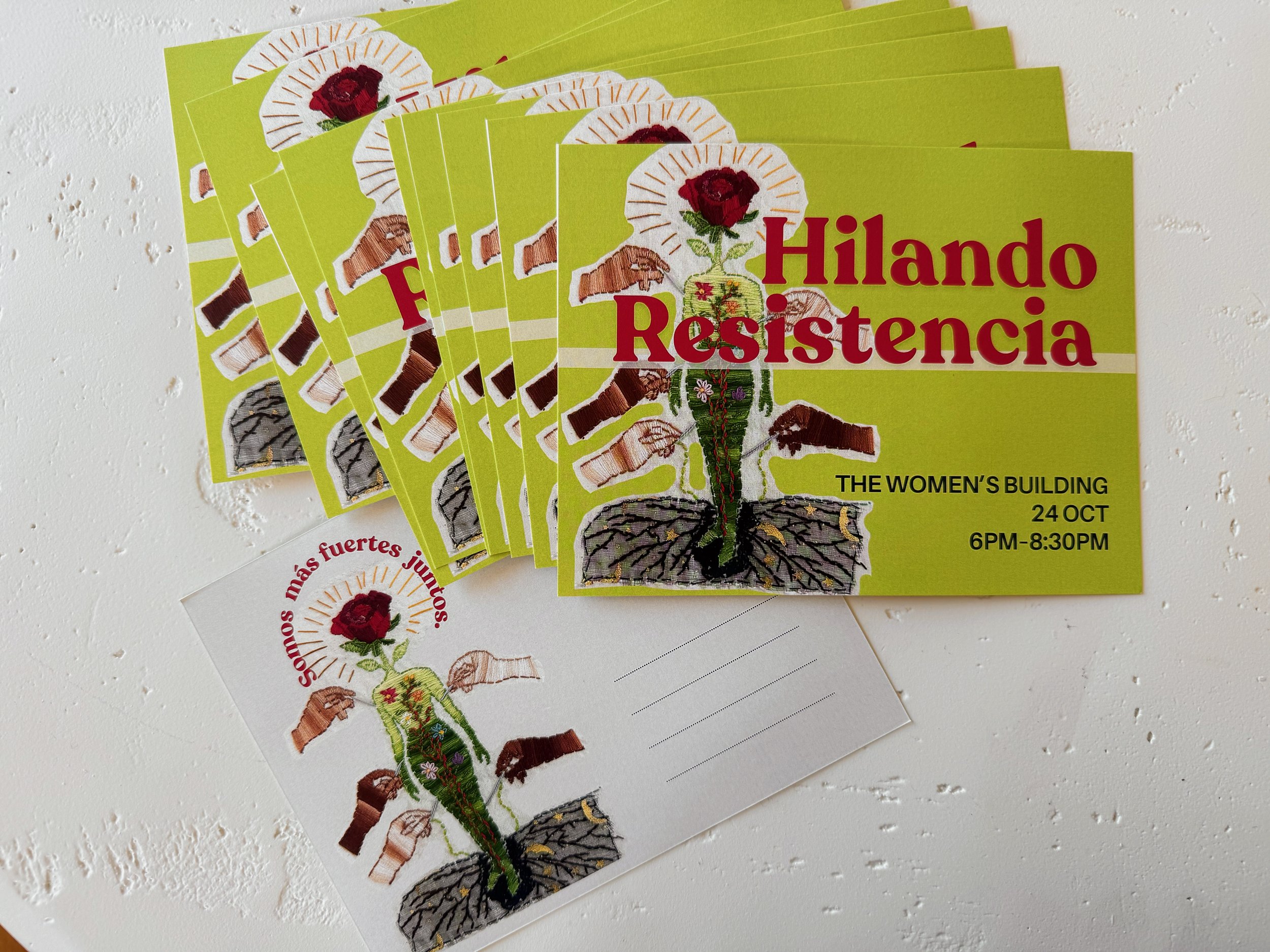
• exhibition fliers and posters
• layouts of interpretive captions accompanying the works
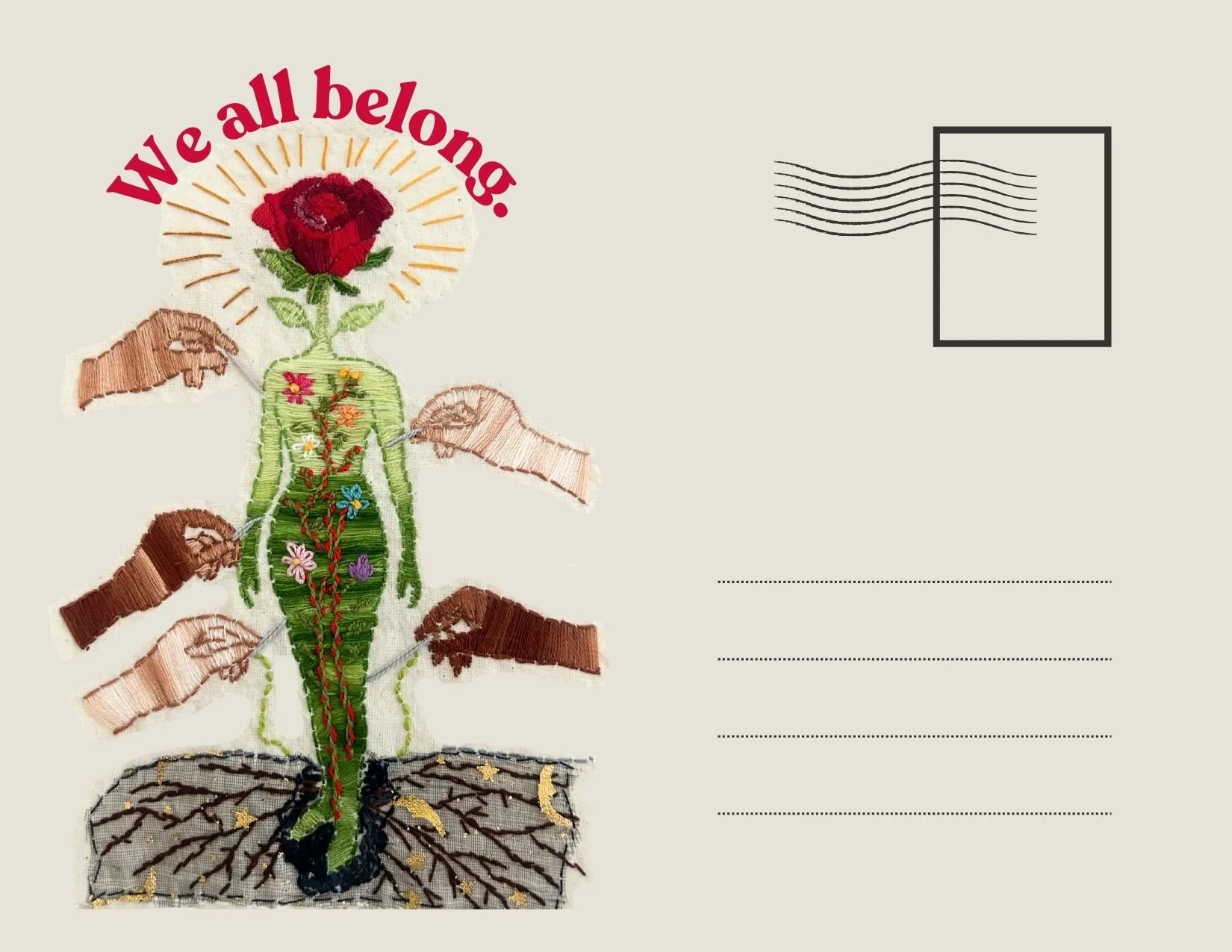
• a postcard series that could be mailed to extend the project’s stories beyond the gallery and to community members worldwide
These materials helped translate the project’s themes into formats that could circulate within the neighborhood and beyond.
Narrative Framing
Across both the installation and printed materials, we worked to frame the project in a way that foregrounded collective authorship, allowing audiences to encounter the work as an invitation into relationship rather than as documentation of hardship.
Approach: Participatory Visual Storytelling
Our small role in Hilando Resistencia reflects the core principles of my visual ethnographic practice. We work collaboratively within community-based projects to help translate lived experience into visual narratives that can travel beyond their immediate settings.
The approach emphasizes:
Co-creation (participants shape the narrative through their own artistic and storytelling practices), narrative dignity (images and design choices reinforce the agency and authorship of those whose stories are shared), imagery as knowledge (photographs function not only as documentation but as a form of cultural research, capturing relationships, gestures, and environments that shape collective life.
Outcomes
The exhibition created a public space where visitors could encounter migration through handwork, conversation, and collective storytelling.
• Outcomes included:
• A public exhibition at the San Francisco Women’s Building
• Visual documentation of the collaborative process
• Printed materials that extended the project’s stories into the surrounding community
• Media coverage in Mission Local’s article “Threading Resistance”
• Upcoming exhibition at the San Francisco Women’s Building’s 50th
• A summer 2026 installation in Oakland Public Library’s Rockridge Branch
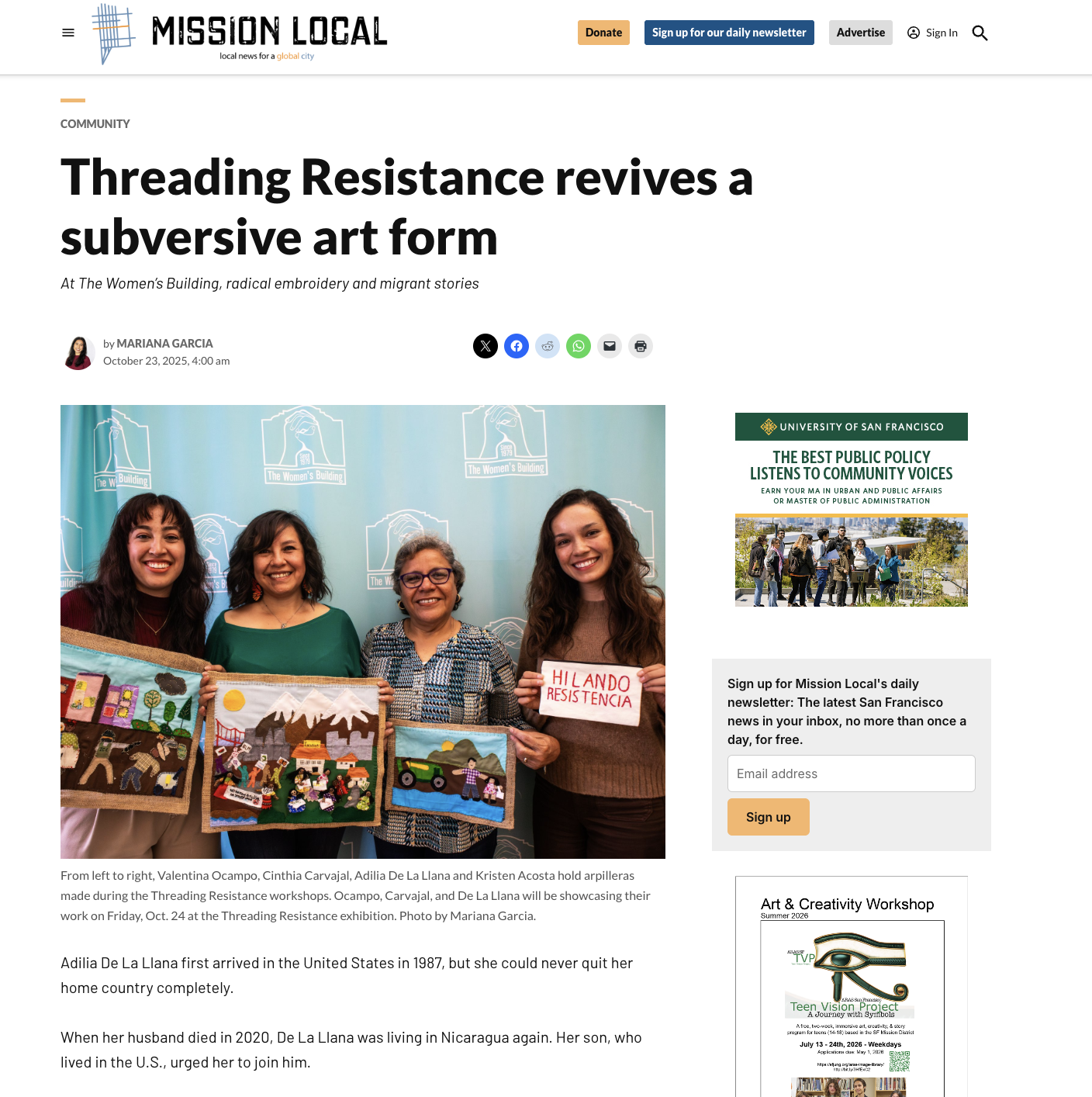
media coverage
Mission Local’s writeup shared out the heart of Hilando Resistencia and stirred community interest in the exhibit’s opening events at San Francisco’s Women’s Building
And importantly, the exhibition helped shift the conversation about migration from abstraction toward a very grounded creative practice.
Why This Work Matters
At a time when migration is often framed through fear or crisis, Hilando Resistencia offered a different public narrative. Through embroidery, storytelling, and collective making, the participants created a space where migration could be understood as living experience—complex, creative, and deeply human.
Projects like this illustrate how visual storytelling can support institutions working toward belonging and equity.
Participatory visual narratives can:
• shift public perception
• share out community knowledge
• connect research to living experience
• create entry points into complex social issues